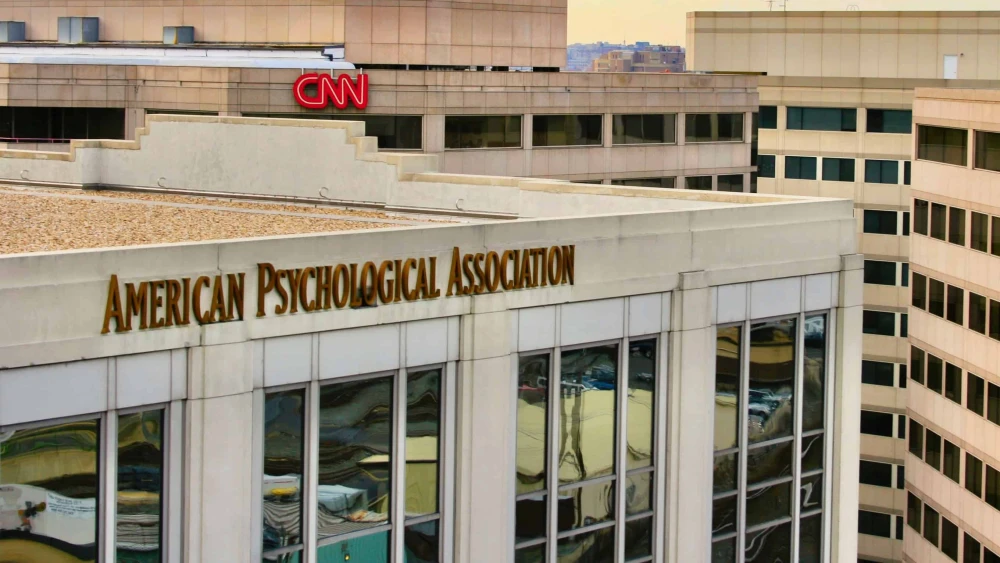
The American Psychological Association has again delayed a decision on whether to recognize the Association of Jewish Psychologists as an Ethnic Psychological Association, marking the second postponement of the group’s application this year.
Recognition would give AJP formal representation within APA structures, including a seat on the organization’s Council of Representatives. AJP has argued that Jewish psychologists share cultural, historical and communal experiences that merit dedicated representation within the profession.
The application has sparked debate among psychologists and professional organizations over how Jewish identity fits within APA’s framework for ethnic psychological associations. In February, the Coalition of National Racial and Ethnic Psychological Associations opposed AJP’s recognition, arguing that most Jewish Americans identify as white and that Jewish psychologists are not underrepresented within APA. The coalition said Jewish psychologists who identify as people of color are already represented through existing ethnic psychological associations.
Jewish organizations have pushed back on that argument. A coalition that included the Anti-Defamation League, the American Jewish Committee, the Conference of Presidents of Major American Jewish Organizations, Hadassah, the Jewish Federations of North America and StandWithUs urged the APA Council to approve AJP’s application, arguing that Jewish identity includes ethnic, cultural, ancestral and religious dimensions.
The dispute comes amid broader concerns among Jewish psychologists and organizations about antisemitism and the inclusion of Jewish perspectives in professional and academic settings. AJP has continued advocating for recognition while organizing programs focused on Jewish identity, antisemitism, trauma and the experiences of Jewish mental-health providers.
Following the latest delay, ADL CEO Jonathan Greenblatt criticized the organization’s decision, stating that recognition for Jewish psychologists was overdue and accused the organization of failing to adequately address antisemitism within its ranks.
“With antisemitism rising within the psychology profession and the APA itself, recognizing American Jewish psychologists is long overdue. APA had two opportunities to acknowledge the lived experiences of Jewish psychologists but instead failed to act,” Greenblatt said. “This is about more than recognition. It’s about whether APA is willing to confront antisemitism within its own ranks with the same seriousness it brings to other forms of bias.”
Shira Goodman, vice president of public affairs and special initiatives at the ADL, said the application had become caught up in political disagreements unrelated to APA’s stated criteria for Ethnic Psychological Association status.
The ADL said it will continue advocating for what it described as fair treatment and representation of Jewish psychologists within the organization.