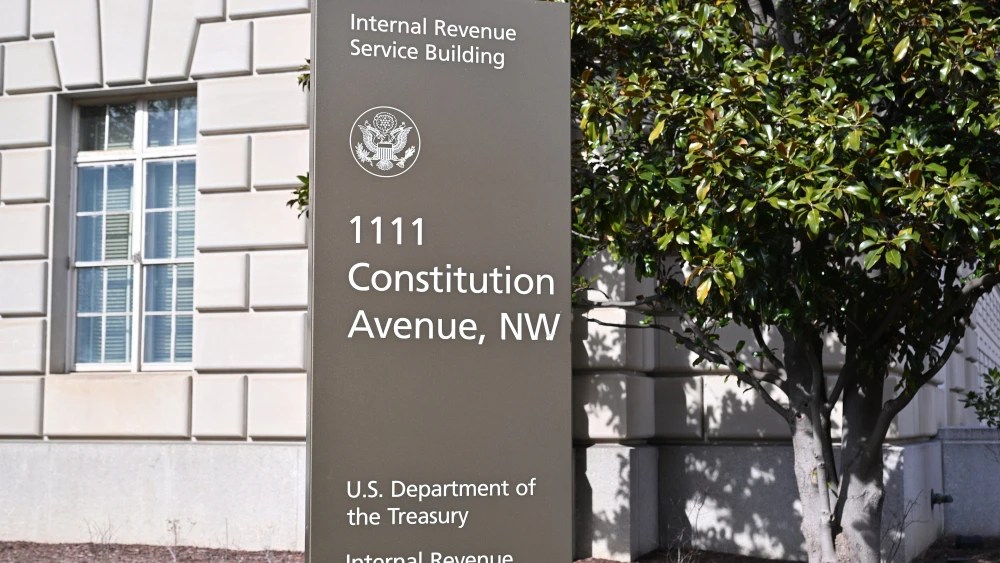
The U.S. Treasury Department and the Internal Revenue Service proposed regulations on Thursday that would strip federal tax-exempt status from private schools that discriminate based on race, color or national or ethnic origin.
The rule would cover admissions, scholarships and loans, athletics, educational policies and other school-supported programs and would apply to private elementary and secondary schools, colleges, universities and professional and trade schools.
“Schools rebranding race-based preferences as equitable, inclusive or diversity-enhancing does not change their discriminatory nature,” stated Scott Bessent, the U.S. treasury secretary.
Schools could continue using race-neutral criteria, including income, geography and first-generation status, and the regulations would also permit faith-based schools to maintain religious programs and select students based on religious affiliation.
The proposal would reverse previous IRS guidance permitting schools to favor certain racial groups in admissions and financial assistance. It follows the U.S. Supreme Court’s 2023 ruling in Students for Fair Admissions v. Harvard, which struck down race-based college admissions policies.
The Treasury Department and IRS estimate that the proposal could affect as many as 18,000 tax-exempt private schools. If finalized, the regulations would apply to tax years beginning after May 31, 2027.