U.S. President Donald Trump suggested on Tuesday that talks with Iran to end the conflict are going well and that the United States was bargaining from a position of strength.
Speaking to reporters in the Oval Office to swear in Markwayne Mullin, a former Oklahoma senator, as U.S. secretary of homeland security, Trump said that Iran’s negotiators had given him an unspecified “gift.”
“They gave us a present and the present arrived today,” Trump said. “It was a very big present, worth a tremendous amount of money, and I’m not going to tell you what that present is, but it was a very significant prize.”
Trump said the “present” relates to oil and gas flows through the Strait of Hormuz, which has been effectively closed to energy shipping since the conflict began.
Egypt, Pakistan and Turkey are reportedly the leading intermediaries between the United States and Iran to negotiate an end to the war, even as Iranian officials denied as recently as Tuesday that any negotiations had taken place.
The president repeated U.S. demands for Iran that pre-existed the conflict, including Iran agreeing to forgo nuclear weapons and the enrichment of fissile material.
“Number one, two and three is they can’t have a nuclear weapon,” Trump said. “I don’t want to say in advance, but they’ve agreed they will never have a nuclear weapon.”
Days before the United States and Israel began the war on Feb. 28, Trump said at his State of the Union address on Feb. 24 that Iranian negotiators had not said “those secret words, ‘We will never have a nuclear weapon.’”
The Iranian regime’s foreign minister, Abbas Araghchi, had said earlier that day that “Iran will under no circumstances ever develop a nuclear weapon.”
Trump said that Iran’s weakened military helped with talks.
“I hate to say that they’re defenseless, because, you know, until that last missile is fired, they have a little power,” Trump said. “But we are in about the best bargaining position.”
“We’ve won this,” Trump said. “This war has been won.”
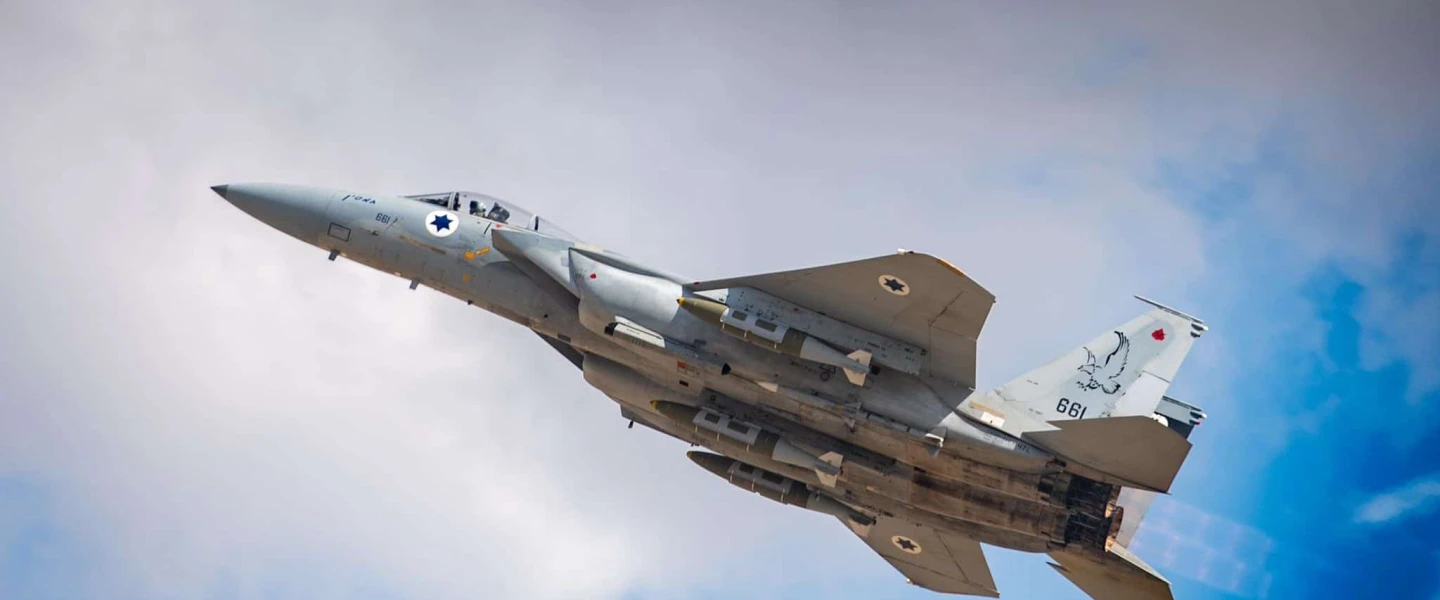
Despite U.S. and Israeli strikes on Iranian missiles, missile launchers and their associated production facilities, Iran continues to launch about 10 ballistic missiles at Israel daily, with more missiles and drones fired at regional countries in the Persian Gulf.
Trump described the killing of so many of Iran’s leaders as de facto “regime change” that could enable more productive negotiations.
“Now we have a new group,” he said. “Let’s see how they turn out.”