The Munich Security Conference got caught up in the Israeli election, and it’s exciting. For years, Israeli governments have ignored the conference, one of the most important international meetings of decision makers for everything having to do with foreign affairs and defense issues.
Slowly, Israel realized that by skipping the event, which was launched in the 1960s when the Cold War was at its height, it was leaving the platform open for the enemies of Israel, mainly Iran and Arab countries.
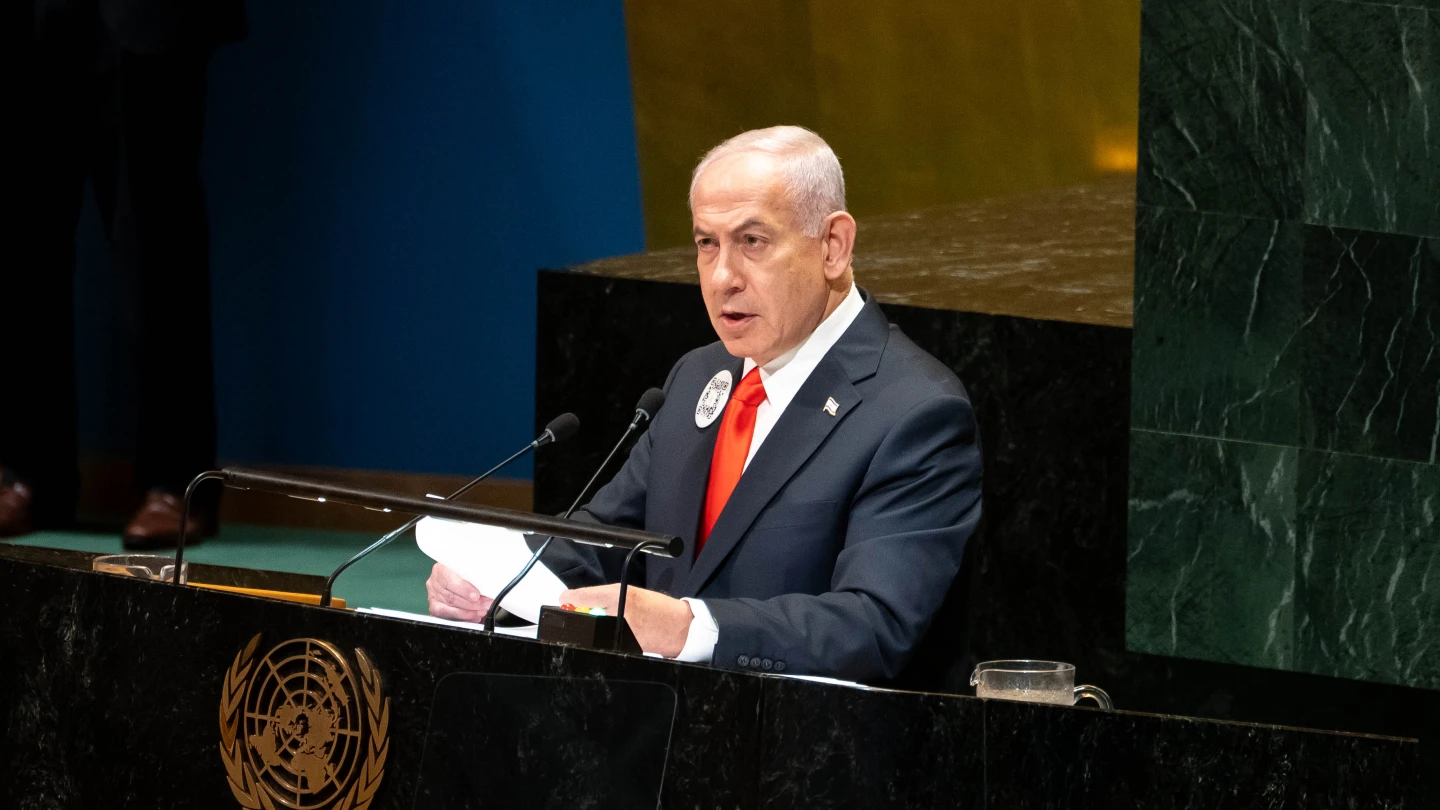
Generally, Israel has been represented by ambassadors and advisers. In the past few years, Israel has sent its defense ministers to the conference. The Israeli presence hit a peak last year with Prime Minister Benjamin Netanyahu’s speech, during which he showed a section of an Iranian drone that had been shot down over Israeli territory a few weeks earlier.
That was enough to demonstrate Iran’s aggression toward Israel. Netanyahu was supposed to take part in the conference this year, too, but he canceled at the last minute. Too many appearances at international events in the midst of an election could have given Israeli voters the wrong idea that he preferred to be abroad.
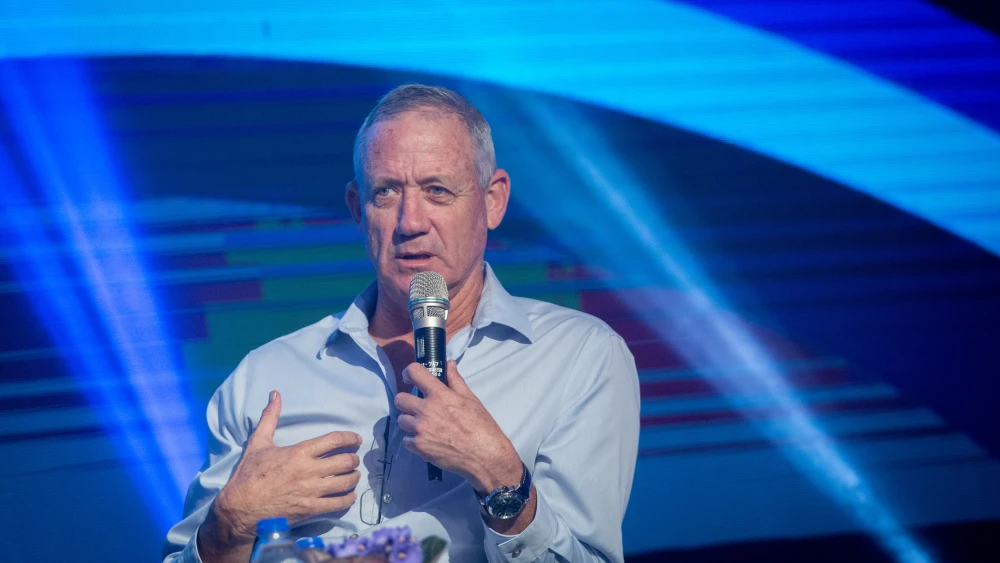
Netanyahu’s cancellation gave Israel Resilience Party leader Benny Gantz and his advisers a huge opportunity to try to give the party leader some international credentials, which he is so obviously lacking as he vies for the prime ministership. The temptation to appear, even if only on the sidelines of an important international conference, was enormous. In hindsight, maybe he should have stayed away because it turned out that Gantz’s appearance didn’t live up to the buzz his media people created.
Gantz’s appearance was very different than Netanyahu’s, mostly because it was organized on the fly. Gantz didn’t address the full conference; he spoke at an auxiliary event and only for about 20 minutes. The small room on the second floor of the hotel that was hosting the conference had only about 100 seats. Most of the people there were from the media, as well as a few representatives of the Munich Jewish community and members of various American Jewish organizations.
Gantz was trying to position himself as an international actor and show that Netanyahu isn’t the only one who can operate in that arena. But for now, there are no reports of anyone who waited to meet with him, consult with him or even just shake his hand.
His speech was cautious, representative of the consensus and not particularly different from what his “rival” Netanyahu usually says. He didn’t even mention the word “Palestinians,” though he did quote the late author Amos Oz. “It’s time for the sons of Abraham to work together” was his idea. He didn’t need to go to Munich for that.
The audience was not allowed to ask questions, so some of Gantz’s remarks remained vague. The question of what, exactly, is the huge difference of opinion between him and Netanyahu also went unanswered.
Gantz’s Munich speech sounded like he had the same messages for the world, except for the Amos Oz quote: the Iranian danger, the war on radical Islamic terrorism and the desire for peace with moderate Arab entities.
Eldad Beck is an Israeli journalist and author.