
Fifty-nine years ago, on June 5, 1967, the Six-Day War began. By noon, our base commander assembled the crew members at our Tel Nof Airbase to announce that the Arab air forces had been destroyed. It was one of those moments you never forget.
We, the ground crew, joyously threw our blue berets in the air, embraced each other and felt an enormous sense of relief. Although it was only the first day of the war, we understood that if we dominated the sky and could support our ground forces, we could ultimately be victorious.
In the meantime, we continued preparing our planes for dozens of sorties. It was 24/7 for almost two months. Sleep during the war was limited to short naps, and there were no passes to go home. Surprisingly, no one complained; the commitment was 100%.
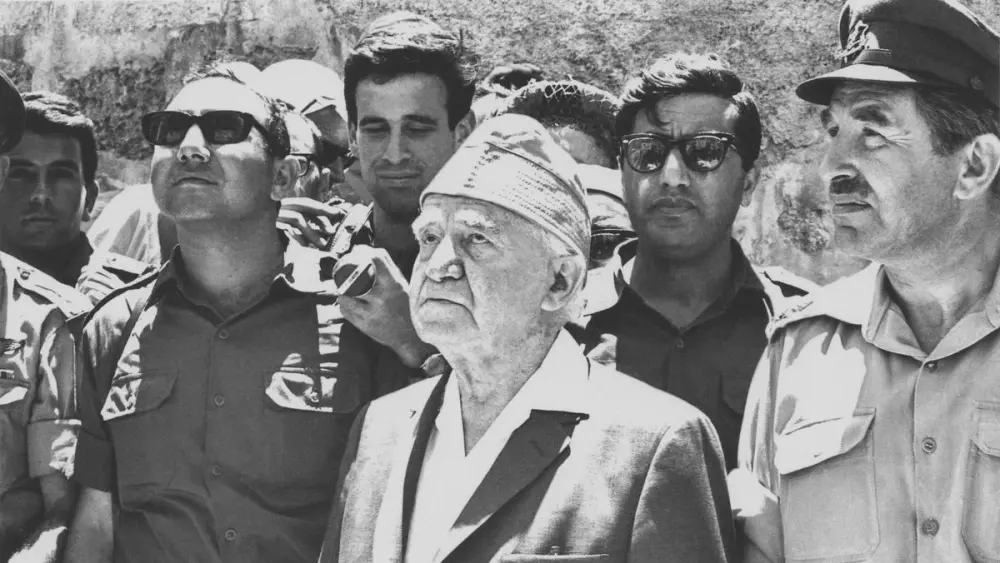
Two days later, on June 7, 1967, we celebrated once again. It was a day we thought might not come in our lifetime: the liberation of the Old City of Jerusalem. The Western Wall of our ancient Temple—Judaism’s holiest site that was barred to us for 19 years—was now B’yadeynu: “In our hands!”
The Jordanian Arab Legion, led by a British Officer, John Bagot Glubb, nicknamed Glubb Pasha, was the most effective Arab foe young Israel faced in the 1948 War of Independence. The Irgun forces, who fought for the Old City, could not match the heavy equipment and the far more numerous and well-trained troops the Legion fielded. And so, the Old City tragically fell into their hands. We could see it from afar, but could not touch its walls or climb David’s Tower.
One can only imagine the excitement and joy that we, as young soldiers, experienced when just one week after the war ended, our squadron boarded military trucks and headed for Jerusalem and the Old City. Parents and spouses were invited to join us.
Upon reaching the Temple Mount and the Western Wall, we were shocked by the level of neglect, destruction and desecration committed by the Jordanians. The Legion had desecrated much of the Old City, including the Jewish Quarter, destroyed all but one of the 35 old synagogues, plundered Torah scrolls and used Jewish graves on the Mount of Olives for latrines. Garbage was everywhere. The ways in which this holy place was treated should have been condemned worldwide.
From Jerusalem, we headed south to the ancient city of Hebron and the Machpelah Cave, where Abraham, Isaac, Jacob, Sarah, Leah and Rebecca are buried. Since the Arab Muslims also honor our forefathers, the place was in somewhat better shape than the Western Wall (Kotel). From there, we headed to Bethlehem, King David’s birthplace, stopping along the way at Rachel’s Tomb and then the Church of the Nativity, where Jesus is said to have been born.
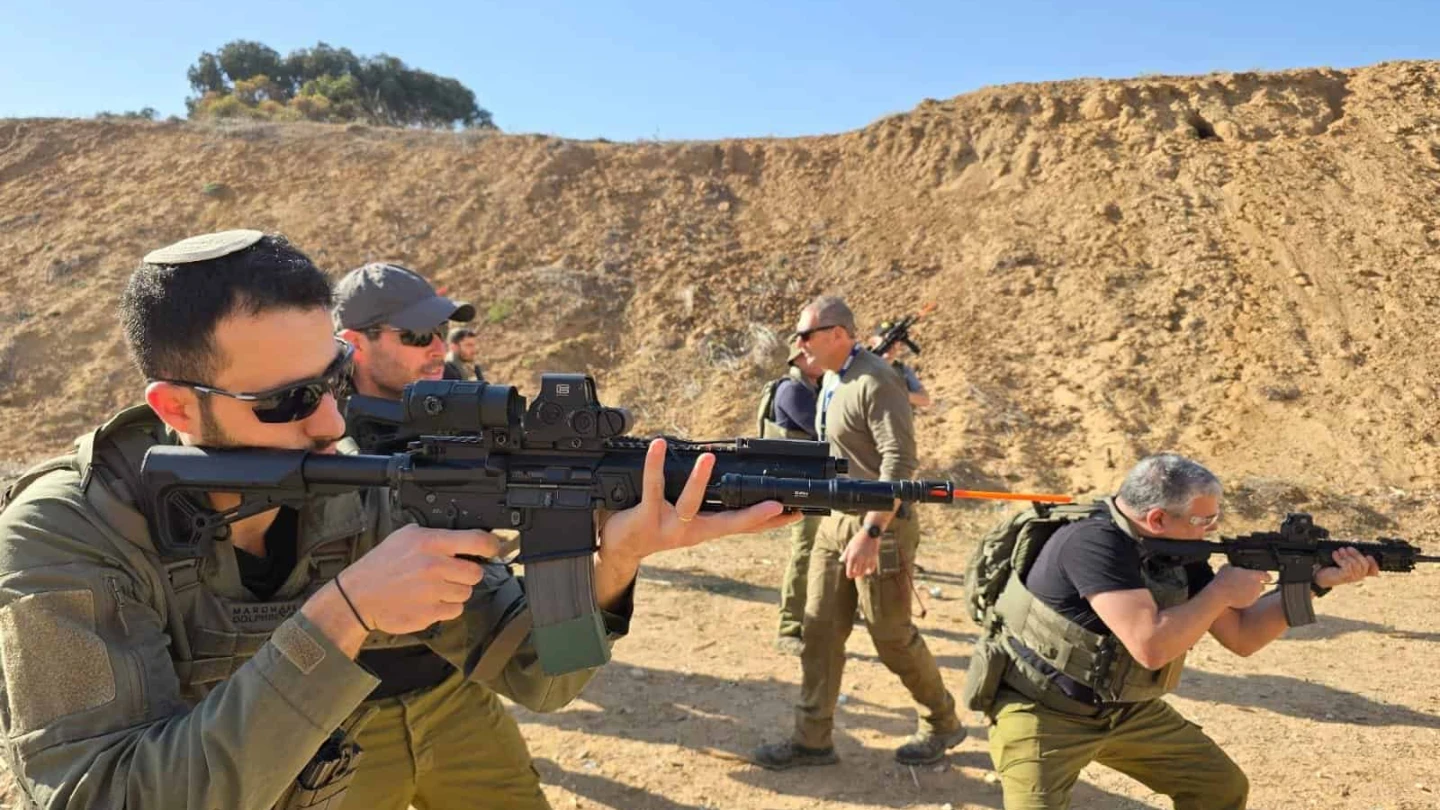
Throughout our travels, the Arab residents we encountered looked at us with fear and foreboding. We were armed with Uzi sub-machine guns, and no doubt they seemed to expect us to do to them what they would have done to us had they been victorious.
Young people today take these holy sites for granted. For our generation, however, these religious and historical sites were wonders that we had mourned losing in 1948 and prayed to one day repossess them.
The miracle of the Six-Day War has largely faded from the minds of most Israeli youth. These past two-and-a-half years of war since the Hamas-led terrorist attacks in southern Israel on Oct. 7, 2023—when 1,200 people were slaughtered and another 251 taken captive and dragged to Gaza—have shifted the focus of the Israeli nation to current realities. Not only did the nation suffer a major trauma as a result of the massacre and the suffering of hostages, but some Israelis now suffer from a chronic sense of insecurity, wondering how Israel’s illustrious domestic intelligence establishment was so miserably caught off guard.
Since Oct. 7, the Israel Defense Forces and the Mossad have performed wonders against Hezbollah and the Iranian regime. The numerous military achievements were due to superb intelligence and the skills of the Israeli Air Force. The government of Israeli Prime Minister Benjamin Netanyahu abandoned containment of its enemies and instead aggressively pursued them, ultimately controlling the airspace over Iran and Lebanon and even reaching Yemen. Israel effectively re-established deterrence and became a regional power.
What distinguishes the recent wars from the Six-Day War is that the Home Front was attacked with barrages of missiles and drones coming from Iran, Hezbollah and the Houthis. In 1967, the Home Front was not attacked. True, Jordanian army artillery fire hit our airbase but caused little damage. There were virtually no civilian casualties.
Morale was likewise different. In June 1967, it was high, and the nation was in the grip of ecstasy and unity. We fought alone, with no help from outside powers. When the war concluded, Israel was admired throughout the world. Little David had smashed the Arab Goliath.
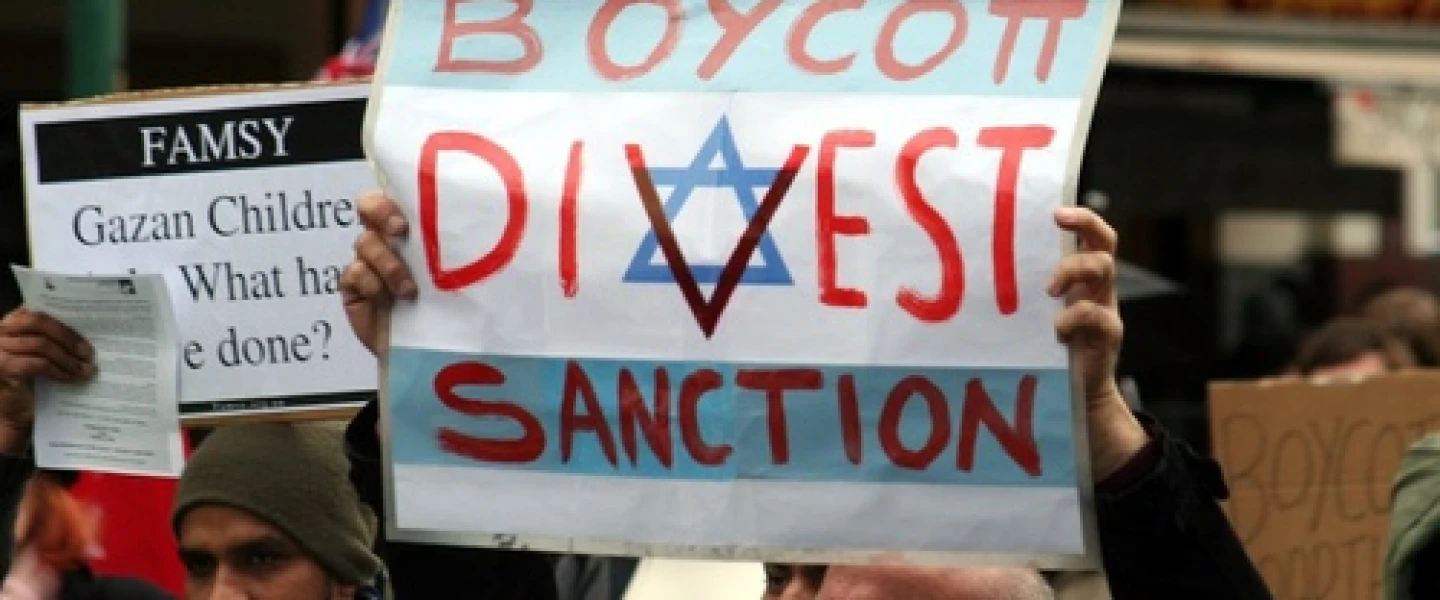
Since then, however, the roles have been reversed. Israel is being perceived by many around the world as the putative Goliath, while the Palestinian terrorists are seen as the presumed David. Apparently, the world prefers to see the Jewish people as victims rather than victors.
I will never forget an encounter with Maureen O’Hara, the Irish-American actress who visited our airbase so long ago. I was designated to give her a tour because my English was passable. Casually, but rather admiringly, she said to me, “I didn’t know that Jews knew how to fight!”
This was how Israel was perceived at that time. Now, regrettably, Israelis are often accused of “war-mongering.” Despite the role reversal, I would rather be perceived as an aggressor and saber-rattler than a weak victim of yore.