I’ve never been worried about my reputation. Maybe I should have, maybe I should be. But the fact of the matter is that I represent what I believe in with pride, and I learned long ago from my mother that it’s important to stand up for what you believe in. She used to tell me stories about her grandmother working in Israel, building the land and doing whatever it took to make a dream become reality.
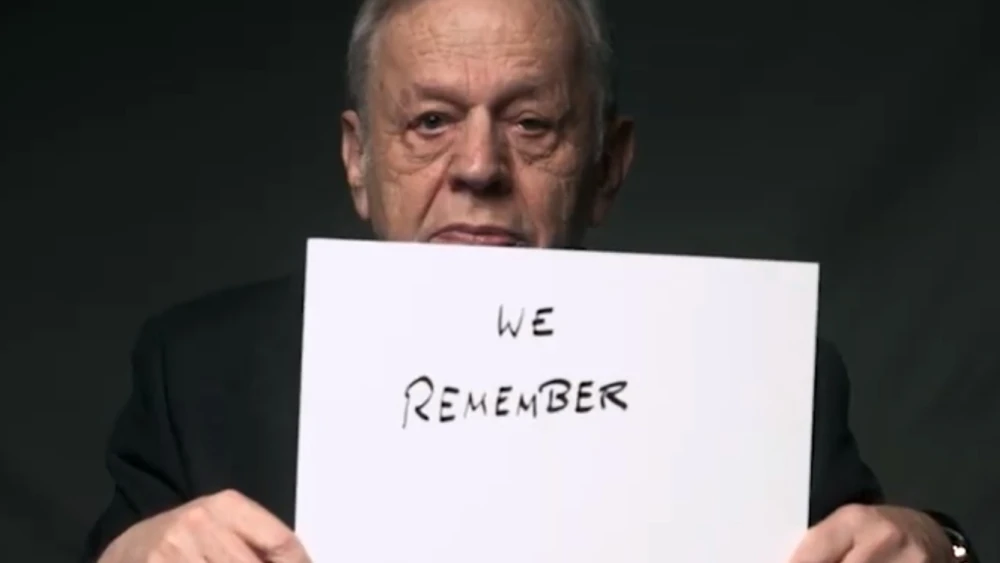
My grandmother didn’t have social media, but we do. We can share/post/like/tweet our messages far and wide. The World Jewish Congress #WeRemember campaign is an example of how a hashtag can be so important and powerful, so meaningful and impactful, and so easy to participate with the click of button. This is a campaign that all individuals can and should support Jews and non-Jews alike.
When students (even sometimes adults) tell me they do not want to be featured on social media, I understand. I get it. There are people who work hard behind the scenes and probably do more for the effort than I do.
But when it’s about the Holocaust, when it’s #WeRemember, I can’t for the life of me figure out why someone wouldn’t use their social-media platform to increase awareness.
Has the Holocaust become a political issue?
Why is it that it’s uncomfortable to post about the Holocaust?
Has the world become so caught up in “politically correct” that posting about such genocides has become impossible to do? For the sake of one’s image? Are we scared of using social media for the good?
I ask myself that question every day. In my view, every visual matters, as does every word. It’s nice to see pictures of people on vacation or of their pets but, oftentimes, it’s those same accounts that don’t want to post about issues they truly believe in—the issues that mean something and will tug at the heartstrings of their network.
Is it a fear of annoying your followers? What are you afraid of—that you may look a certain way or seem a certain way? When do we separate an image from the cause and from a matter that very much needs our attention?
We have social media for a reason. We have the means to remind others of atrocities from the past and ensure they will never be repeated. Because #WeRemember.
Our collective call to action is for everyone to utilize their social media to raise awareness about the memory of the Holocaust. There is no excuse. Please join us!
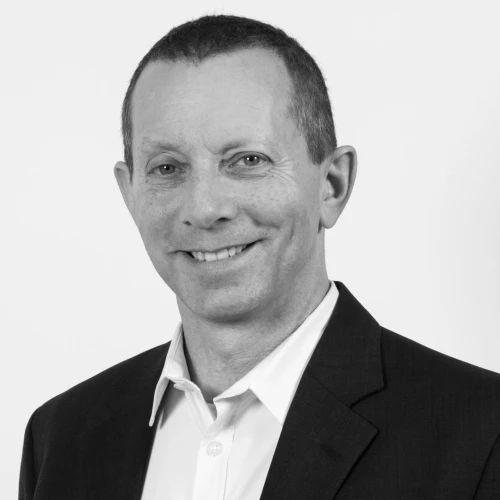
Romy Ronen is an Israeli-American sophomore at Columbia University and the Jewish Theological Seminary. She is a board member of Students Supporting Israel at Columbia University and works with Jewish National Fund, the Israeli American Council and other pro-Israel groups.