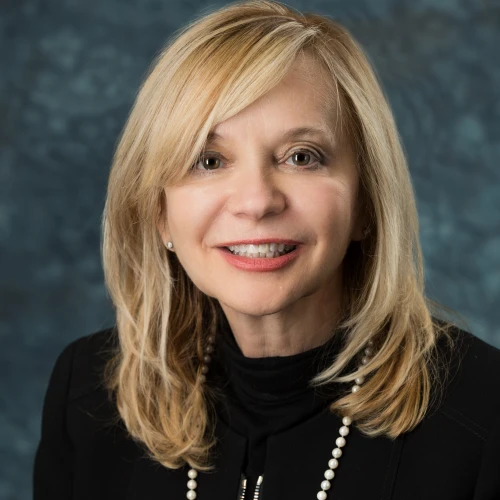
Rep. Joaquin Castro (D-Texas), who is running for the chairmanship of the U.S. House Foreign Affairs Committee following the loss of current chair Rep. Eliot Engel (D-N.Y.) in the New York primary race, promised on Monday to have Palestinian voices appear before the powerful committee.
“I think if you’re going to be the sole broker, then you’ve got to be willing to listen to all sides to take that in. And then as you go forward, be better in your job of brokering a peace agreement,” said Castro in a J Street webcast. “For the long-term stability of both Israel and the Palestinians, I think the United States, especially on the congressional level, being able to hear the different voices would actually be helpful. And so I hope that we can make that happen next term.”
“It makes it easier at that point to bring them back to the table because they feel more confident that not just a team of diplomats negotiating an agreement, but that the American Congress and the American people have heard their perspective,” he added. “That goes beyond symbolism. I see that as a very substantive thing.”
Additionally, Castro reiterated his stance on conditioning U.S. assistance to Israel on the Jewish state not applying sovereignty to the West Bank, also known as Judea and Samaria.
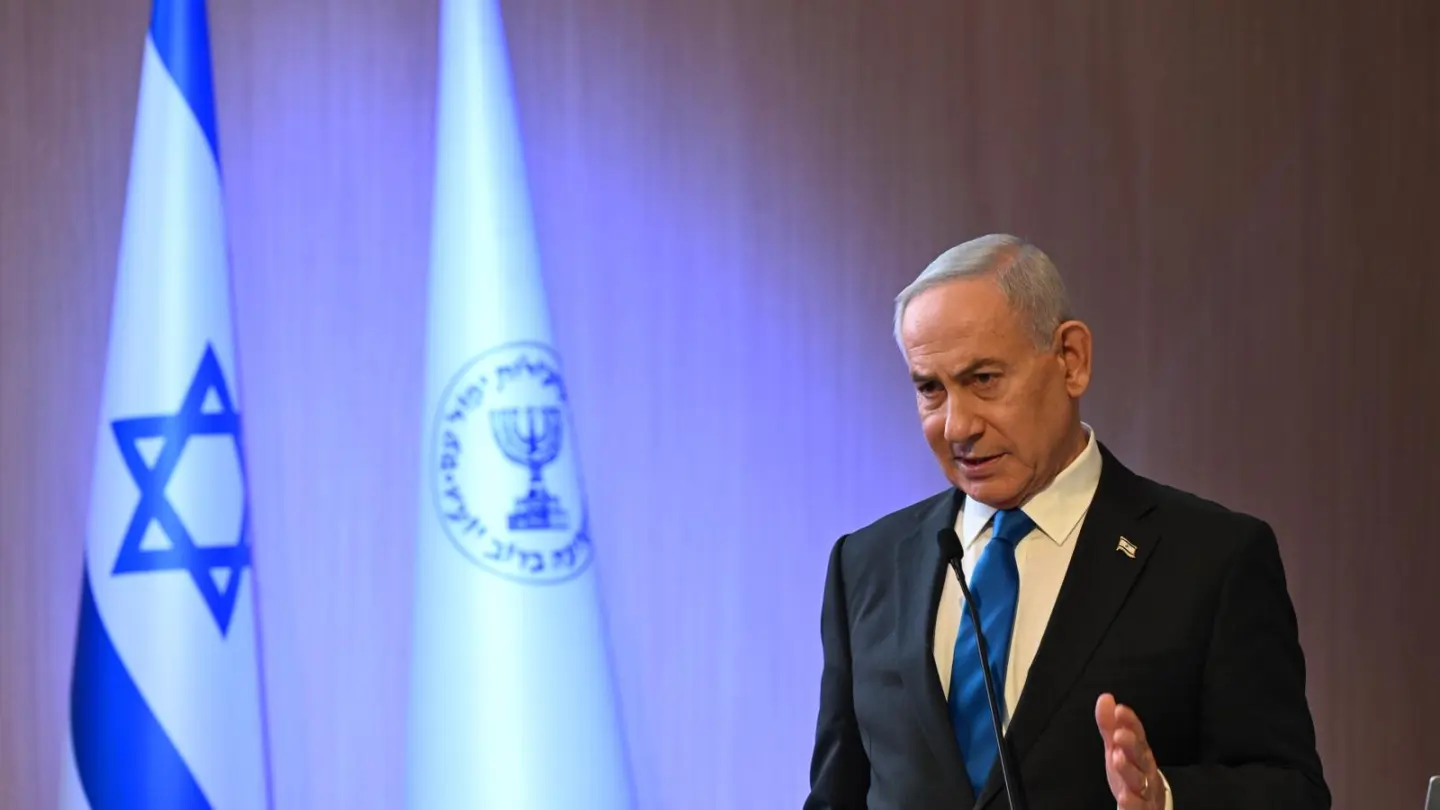
“I think that it’s absolutely fair for Congress to consider those things,” he said. “Sometimes, you have to be able to tell your friends or their leaders—at least in this case, [Israeli] Prime Minister [Benjamin] Netanyahu—when they’re wrong. And I have said that on this, I believe the prime minister is wrong. And so I do think that it’s fair for Congress to say that American money should not be used for those purposes.”
Finally, Castro expressed concern that the U.S. sale of F-35 jets to the United Arab Emirates could destabilize the Middle East. The planned sale comes in the aftermath of the UAE, along with Bahrain, officially normalizing ties with Israel on Sept. 15.