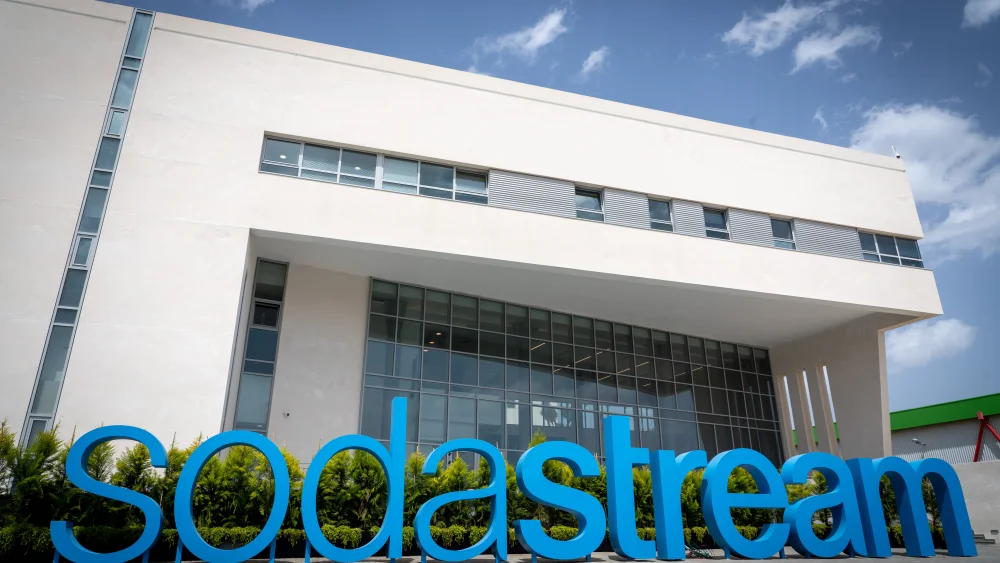
As a special tribute to Earth Day on Wednesday, Israeli beverage-maker SodaStream announced its pledge to save the use of nearly 67 billion single-use plastic bottles by 2025.
SodaStream, part of PepsiCo, will replace all plastic bottles used to package its flavors in exchange for metal containers, which the company says will save the use of nearly 200 million single-use plastic bottles over the next five years.
The SodaStream factory in Israel produces 30 million flavor bottles annually, and the number grows by double digits each year.
“While we are all going through something so challenging, my hope is that once COVID-19 will be behind us, we will remember to take much better care of the planet we live in, all together as mankind,” said SodaStream CEO Eyal Shohat.
According to SodaStream, the company “contributed to the avoidance” of 5 billion single-use plastic bottles in 2019 and hopes for that number to reach 6 billion in 2020.
SodaStream released a video on Earth Day stating the importance of caring for the planet even during the current coronavirus pandemic. The video’s message: “We need to stay at home to overcome this, and once we do, let’s make sure we take better care of the planet—our home.”