Jewish sages in Late Antiquity were actively involved in the robust wine culture of the Roman-Byzantine world, according to an Israeli study released on Wednesday.
The University of Haifa research reveals rabbinic familiarity with vine cultivation, and the integration of Jewish law into the broader agricultural traditions of the time.
“The sages’ rulings were not detached from the realities in which they lived,” said Haifa University’s Shulamit Miller, a co-author of the study. “On the contrary, they reflect an intimate familiarity with agricultural work.”
She added that the sages fully understood the economic systems in which they operated and sought ways to allow Jewish farmers to remain part of the wine industry without compromising Jewish law.
During the third and fourth centuries C.E., wine production was a major economic driver in the Land of Israel and a key component of local and regional commerce.
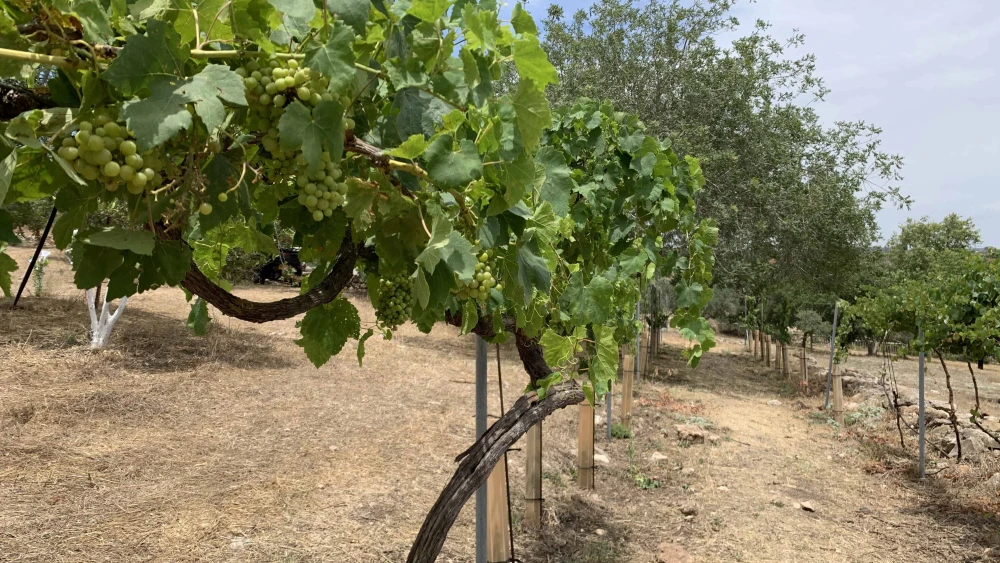
The study found that the distances mandated by the sages between vine rows to prevent crossbreeding are nearly identical to those found in classical vineyards in Italy and France.
The study also showed that the halachic prohibition against consuming or benefiting from libation wine took effect only at the grape-pressing stage, which allowed observant vineyard owners to employ non-Jews or non-observant Jews during the early stages of vineyard work.
The study concludes that the sages were not only authorities on Jewish law, but pragmatic experts deeply embedded in the agricultural practices of their time.
“Our research emphasizes Halachah as a dynamic, flexible force—one that operates within real-life circumstances, not just above them,” the study found. “It contributes to our understanding of Halachah as part of a living economy, and not merely as a system of restrictions.”