U.S. Foreign Policy

U.S. forces have also been put on heightened alert; White House warns Russia of “massive consequences and severe economic costs.”
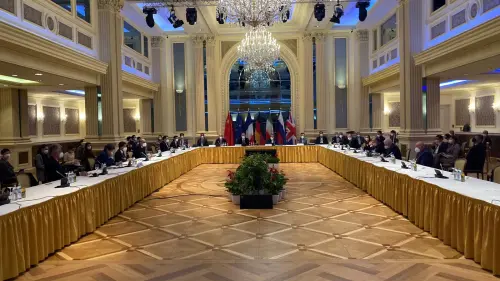
The lack of progress “jeopardizes the chance of finding a solution” acceptable to all sides, says Jean-Yves le Drian.
“There is a sense of urgency in all delegations,” says European Union envoy Enrique Mora.
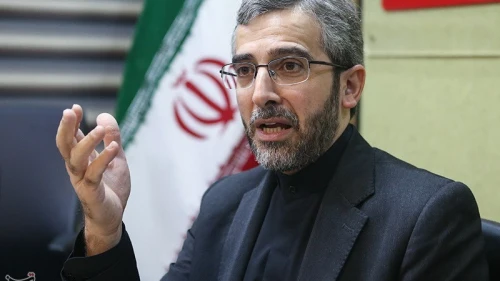
Iran’s main focus in the fresh talks will be lifting sanctions on oil exports, says the Iranian foreign minister.
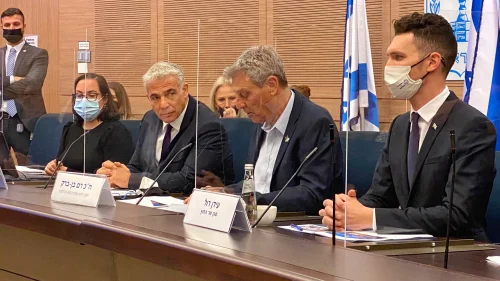
Israel doesn’t oppose all deals with Tehran, “only one that has no possibility of genuine oversight,” says Foreign Minister Yair Lapid.
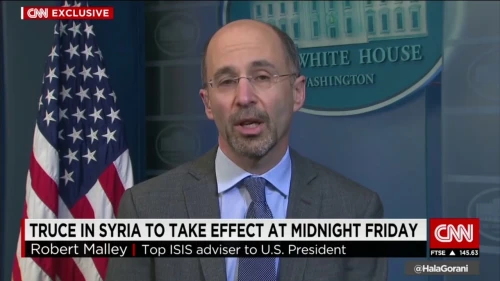
“At some point in the not-so-distant future, we will have to conclude that the JCPOA is no more,” says U.S. Special Envoy for Iran Robert Malley.
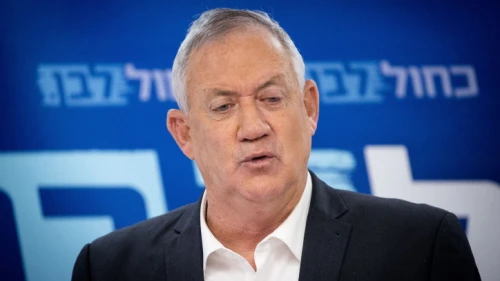
It is both possible and necessary to put an end to Iran’s “foot-dragging strategy,” Benny Gantz tells the Knesset Foreign Affairs and Defense Committee.

Carice Witte, founder and executive director at SIGNAL, adds: “Considering America’s growing concerns about technology and critical infrastructure, contrasted with Jerusalem’s need to carry out massive infrastructure projects over the next decade, now may be the time for Israel to develop a strategy for managing relations with Beijing.”

“We are losing precious time dealing with new Iranian positions inconsistent with the JCPOA or that go beyond it,” say European representatives.

“The international community for years spoke very softly to Iran. Sanctions are very important, but the sanctions are not enough,” said Israeli Ambassador to the United Nations Gilad Erdan.
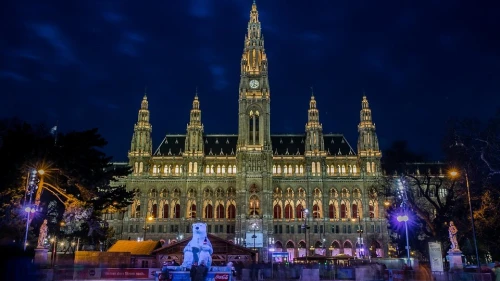
Deputy Secretary-General of the European External Action Service Enrique Mora says the seventh round of discussions would start again “after consultations in and among capitals.”

The Israeli defense minister will also hold discussions with the Biden administration on Iron Dome replenishment and certain defense acquisitions that have faced delays.