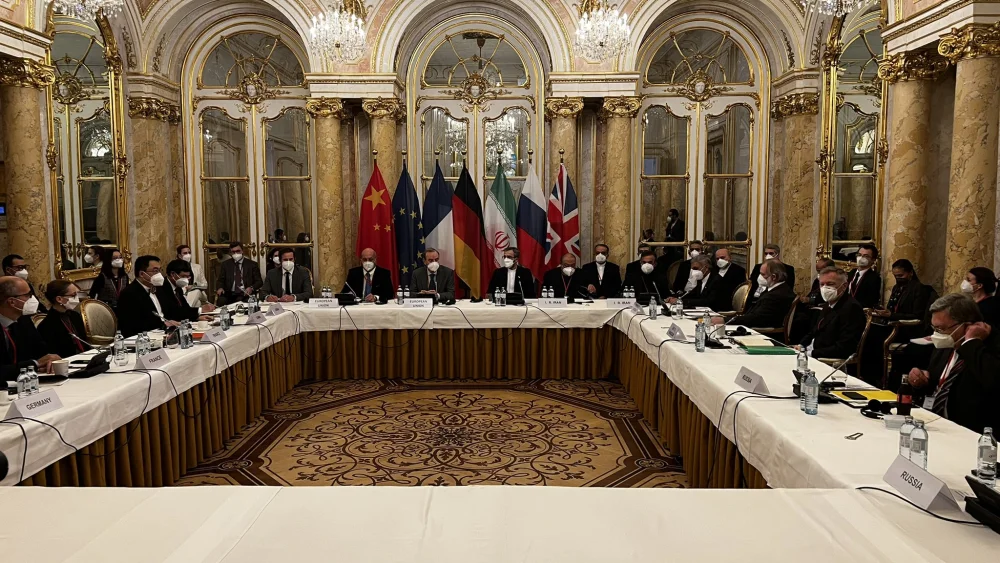
The latest version of a nuclear deal presented by world powers to Iran is the best one possible, European Union foreign policy chief Josep Borrell said in an op-ed published by the Financial Times on Tuesday.
“After 15 months of intense, constructive negotiations in Vienna and countless interactions with the participants and the U.S., I have concluded that the space for additional significant compromises has been exhausted. I have now put on the table a text that addresses, in precise detail, the sanctions lifting as well as the nuclear steps needed to restore” the 2015 Joint Comprehensive Plan of Action (JCPOA) agreement, Borrell said.
“This text represents the best possible deal that I, as facilitator of the negotiations, see as feasible. It is not a perfect agreement, but it addresses all essential elements and includes hard-won compromises by all sides,” he continued.
Borrell urged Iran to make the “swift” political decision to accept the terms, warning that otherwise “we risk a dangerous nuclear crisis.”
The op-ed comes against the backdrop of comments made earlier this month by U.S. special envoy for Iran Robert Malley, who said that Tehran was just “a matter of weeks” away from having enough enriched uranium for a nuclear weapon, and that recent talks geared towards reviving the JCPOA were “more than a little bit of a wasted occasion.”
Meanwhile, Israeli Defense Minister Benny Gantz said on Tuesday that Jerusalem has the capability to “seriously harm” Iran’s nuclear program. “We are very unsatisfied with the [prospective] agreement, which would be a bad agreement because it would be a temporary delay,” he said.