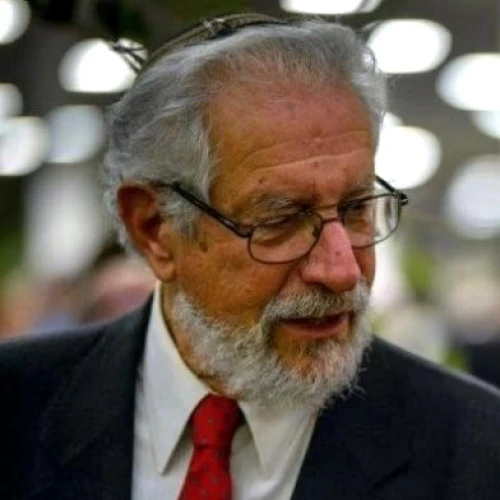
Rabbi Moshe Reuven Azman, one of several claimants to the position of chief rabbi of Ukraine, on Tuesday called on Jewish pilgrims to avoid their annual trip to Uman to visit the burial site of Rabbi Nachman of Breslov.
“It’s a real war... my message to people is to please try to not come this year,” Azman told i24News from Basel, Switzerland, where he is attending a World Zionist Organization conference to mark the 125-year anniversary of the first Zionist conference.
“Don’t come this year. It’s dangerous. It’s a war,” he added.
Azman told i24News that Ukraine does not have the means this year to defend Jewish worshippers, as the country is fighting Russia’s invasion.
He also warned of potential Russian provocations, such as the launch of missiles in the vicinity of Uman.
His message was echoed by Ukrainian officials, who cautioned Jewish pilgrims not to attend this year’s celebration, citing a high probability of missile attacks and other potentially destabilizing Russian acts.
“Don’t come this year. It’s dangerous. It’s a war,” Azman reiterated.
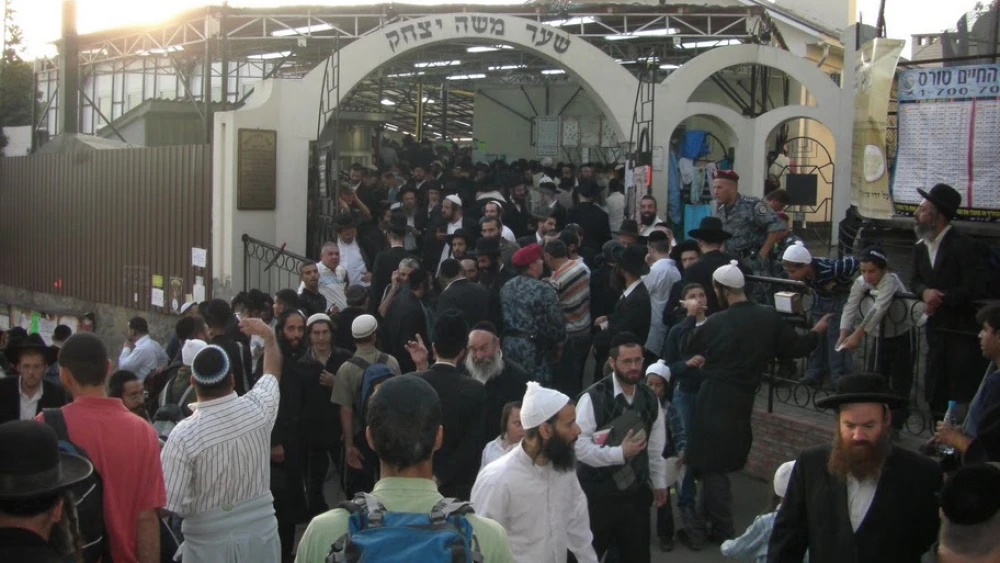
Tens of thousands of observant Jews traditionally visit Uman during Rosh Hashanah to pray at the tomb of Rabbi Nachman.
Despite the warnings, hundreds of Hasidic pilgrims have already gathered in Uman, and flights are being booked to bring thousands more before the celebration begins on September 25, according to the report.
There has been an ongoing dispute about the identity of Ukraine’s chief rabbi for the past 20 years, according to the Forward. Two of the current claimants are Azman and Rabbi Yaakov Bleich, a U.S.-born former member of Israel’s Karlin-Stoliner Hasidic sect who was once an executive member of the World Jewish Congress.