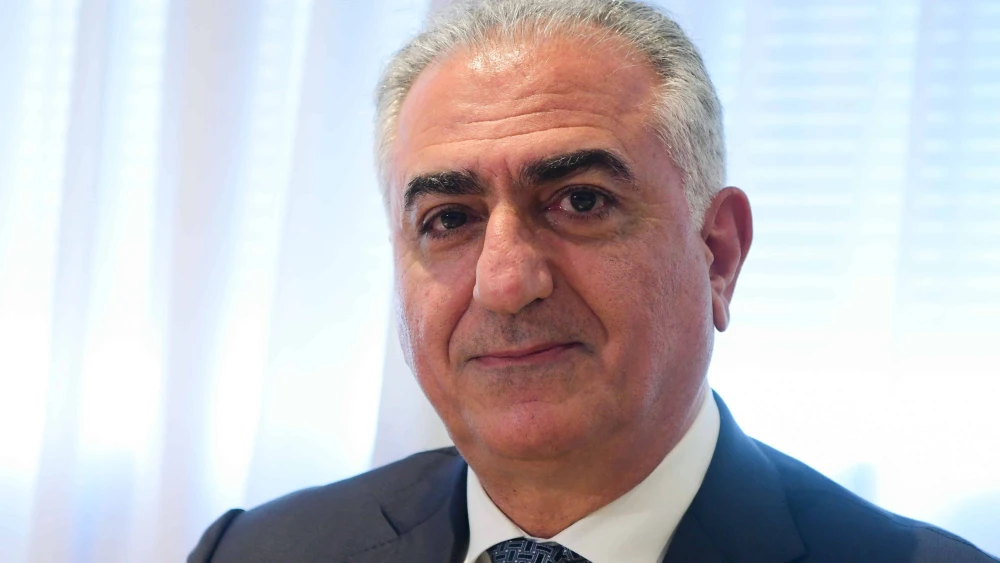
Reza Pahlavi, the exiled son of the last Shah of Iran and a leader of the opposition against the Islamic Republic, on Tuesday called on ethnic minorities to unite against the regime, saying it was nearing collapse.
هممیهنان عزیزم در استانهای خوزستان، ایلام، کرمانشاه، کردستان و آذربایجان غربی،
— Reza Pahlavi (@PahlaviReza) March 3, 2026
آذریها، کردها و لرهای دلیر و وطنپرست ایران،
جامعه شریف یارسان،
ایلات و طوایف جاف، کلهر، سنجابی، و بختیاری،
شما از روز اول روی کار آمدن جمهوری اسلامی تاکنون، مورد غضب و اذیت و آزار این رژیم… pic.twitter.com/TrvGbiJxY4
“You are an inseparable part of Iran’s historical and cultural fabric—communities that have always stood as guardians of our territorial integrity and the dignity and honor of our nation,” the exiled crown prince said in a statement addressed to the nation’s minorities.
However, “from the very first days of the Islamic Republic’s rule, you have endured repression, discrimination, and injustice at the hands of this authoritarian and criminal regime,” according to the Shah’s son.
In the statement—which was addressed to Kurds, Azeris and Lors, as well as other tribes—Pahlavi vowed to devote his “utmost efforts” to ensure that in a free Iran, they would no longer face discrimination.
“You will be able, like every other Iranian, to live freely while preserving your identity, and to benefit justly and equitably from the blessings of a liberated Iran,” Pahlavi said.
“We stand at the threshold of this regime’s fall,” he stated. “Yet, we must remain vigilant and prepared, and deny opportunistic forces—who have long cast covetous eyes on Iran’s soil—a chance to exploit this moment.”
“I firmly believe that through national unity and shared resolve, a bright future awaits you—and every Iranian,” he concluded. “Long live Iran.”
U.S. President Donald Trump on Sunday spoke with Kurdish leaders in Iraq to discuss the U.S.-Israel war on the Islamic regime and the “day after,” sources with knowledge of the calls told Axios on Monday.
A source said the calls were “sensitive” and declined to go into further detail. The conversations were said to have been the culmination of months of lobbying by Israeli Prime Minister Benjamin Netanyahu.
“It is the general view, and certainly Netanyahu’s view, that the Kurds are going to come out of the woodwork ... that they’re going to rise up,” one of the quoted officials told Axios.
White House Press Secretary Karoline Leavitt declined to discuss the specifics with Axios and said Trump had been in contact with “many allies and partners in the region throughout the past several days.”
While U.S. policymakers believe that the Israeli prime minister might have overestimated the number of Kurds who might take up arms against the Islamic Republic, “it’s not nothing,” an official said.
On Saturday, Pahlavi called the joint Israeli-U.S. military strikes in Iran a “humanitarian intervention” that offered Iranians a chance to “reclaim” their country.
“The aid that the President of the United States promised to the brave people of Iran has now arrived,” Pahlavi said in a video message on X.
The joint campaign is a “humanitarian intervention; and its target is the Islamic Republic, its repressive apparatus, and its machinery of slaughter—not the country and great nation of Iran,” he said.