Africa
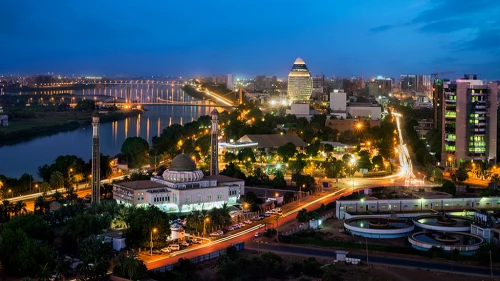
Khartoum could gain economic development and water technology, while Jerusalem can see more security on the North African front.

Sudan’s justice minister: Deal allows Khartoum “to resolve historical liabilities, restore normal relations with the U.S. and move forward toward democracy and better economic times.”
“We were not subjected to blackmail. We lay down our interests ... and it could be that we gain more than the other parties,” says Lt. Gen Abdel Fattah al-Burhan, head of Sudan’s transitional government.

Sudanese Prime Minister Abdalla Hamdok wants the parliament in Khartoum, which has not yet been formed, to approve normalization with Jerusalem, meaning the process may take time.

Those opposed to the U.S.-brokered deal reiterated the “Three Nos” of the Arab League’s 1967 Khartoum Resolution: “No recognition of Israel, no peace with Israel and no negotiations with Israel.”
“Through decades of support and deepening ties, America and Israel have demonstrated that the security and viability of the Jewish state is not up for debate, and those seeking peace and prosperity benefit from a relationship with Israel,” said AIPAC.
A joint statement agreed “to end the state of belligerence between their nations.”

For its own internal and external reason, the Saudis appear hesitant to make any bold moves, seeing the establishment of a Palestinian state as the basis for discussion.
The push by the Trump administration for official diplomatic ties between the two nations comes in the wake of the Abraham Accords.
The push by the Trump administration comes in the aftermath of the agreements signed by the United Arab Emirates and Bahrain.
The meeting among delegations involved “serious and frank talks” about “stability in the region.”

In coordination with Jerusalem, Israeli Flying Aid and the AJC donated PPE, tents, sprayers and more in response to a plea from Chad’s president.