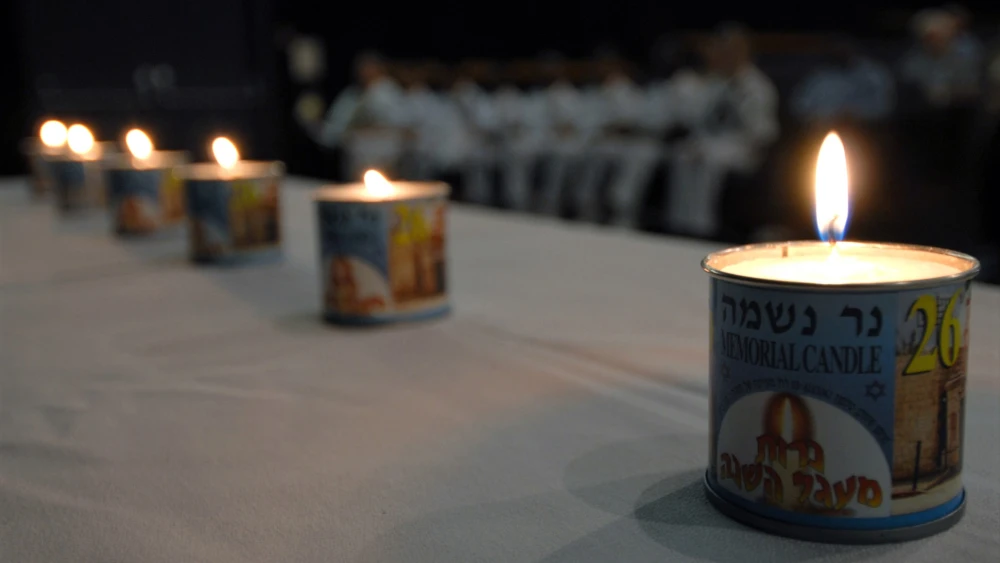
As the Jewish world continues to confront growing ethical, practical and moral questions surrounding the coronavirus, the Tzohar rabbinical organization is calling on people all over the globe to commemorate Holocaust Remembrance Day on April 20-21 with individual ceremonies in their own homes.
The organization is specifically suggesting a format of candle-lighting and reading of texts that will be accepted as a traditional Jewish commemoration of the day. At present, while Yom Hashoah is observed across the world, there are no universally adopted personal Jewish traditions that mark the day.
“Holocaust remembrance is becoming increasingly challenging due to the passing of more and more survivors, so we need to be extra careful to ensure that this year is marked with an appropriate observance that takes the obvious challenges into account,” explains Rabbi David Stav, founder and chair of Tzohar.
Tzohar is therefore calling upon people to hold individual commemorations in their homes, marked by the lighting of six memorial candles followed by the recitation of the “Kel Maleh” memorial prayer and “Nizkor,” a poem written by Abba Kovner.
Kovner survived the Vilna Ghetto and fought as a partisan before becoming one of the most respected poets of modern Israel. The texts will be available on the Tzohar website.
“The Shoah represents the worst of national tragedies for the Jewish people in modern times and therefore demands to be recognized in a formal way that is in line with traditional modes of Jewish practice and memorial,” says Stav. “Our hope is that what will begin this year under these difficult circumstances will become accepted throughout Jewish communities all around the world for years to come and serve as a fitting way to remember and mourn.”