Archaeology
News and features about archaeological finds linking stories from the Torah and Prophets, or other historical events to the State of Israel

This is the first time in 50 years that a gold cache from the Fatimid period has been discovered in Jerusalem’s Old City.

According to researchers, the tiny gem seal, the third ever found in Jerusalem from the Second Temple period, was likely the property of a Jew.
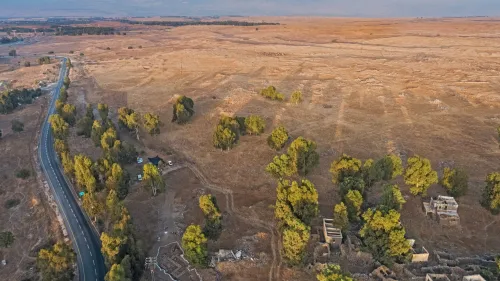
According to archaeologists, the find is especially significant because the place name has been preserved to the present day despite no signs of settlement continuity being found in the area.
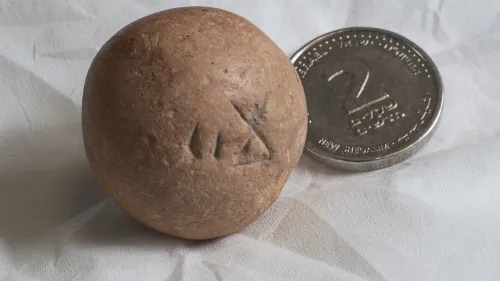
“How exciting, in the month of Tishrei, whose symbol is the scales of justice, to find a souvenir from the First Temple period,” says Western Wall Heritage Foundation director.
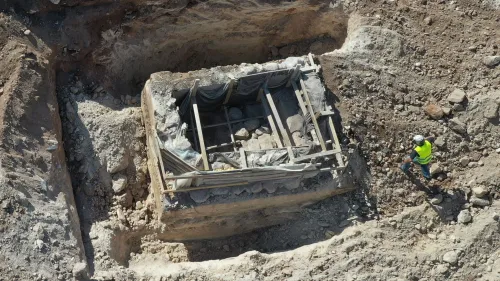
The ancient mikveh’s discovery “changes what we knew about the lifestyle of the Jews in the Second Temple period,” say excavation directors Abd Elghani Ibrahim and Dr. Walid Atrash.
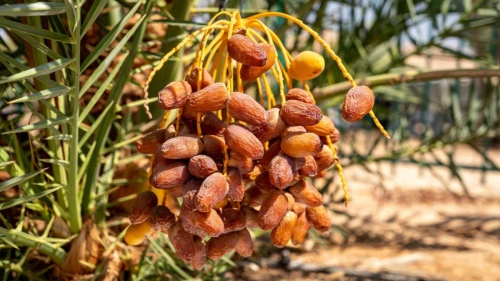
Grown from ancient seeds found at Masada and Qumran, the dates symbolize the remarkable resilience of nature.
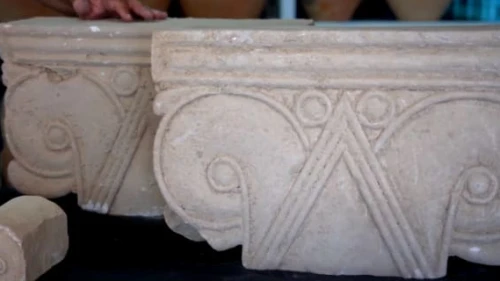
According to excavation director Yaakov Billig, this is the first time scaled-down versions of the giant Proto-Aeolian capitals found in the Kingdoms of Judah and Israel have been discovered.
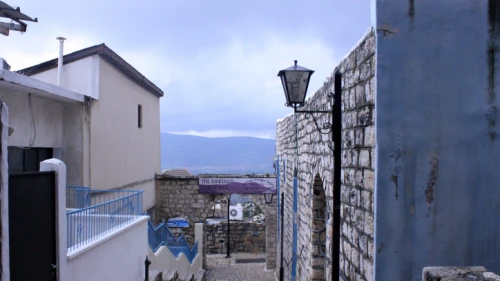
The tunnel, which is described in a number of Israeli memoirs about the War of Independence, caved in before it could be used to annihilate the city’s Jewish population.

Hundreds of Bedouin youths were involved in the Israel Antiquities Authority dig, whose purpose was to reestablish the connection between the community and the history of the area.

His grave is in Almaty, Kazakhstan, where the master Chassidic scholar had been exiled by the Soviet regime.
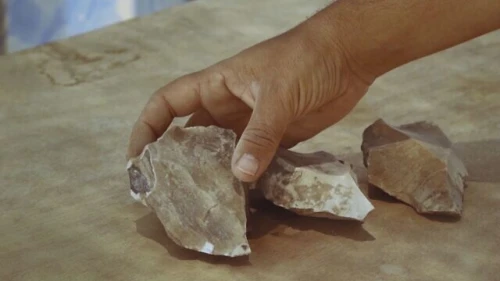
Dimona youths find evidence in the Negev Desert of an advanced flint-knapping technique exclusively associated with biologically modern humans.
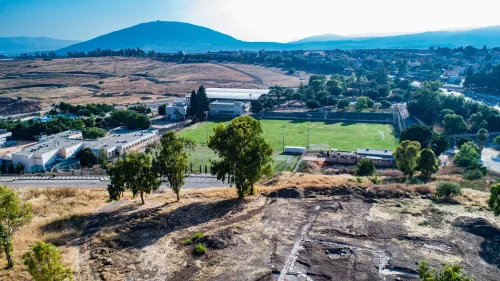
A special discovery was the small reliquary, a stone box used to preserve sacred relics.