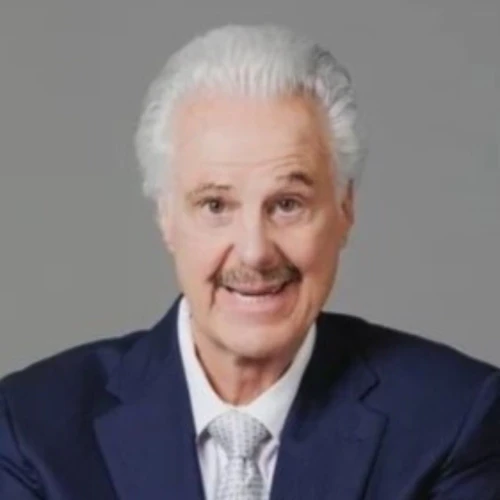
Former Columbia University president Katrina Armstrong will return as CEO of Columbia’s medical center in June, The Washington Free Beacon reported, just over a month after Armstrong took a sabbatical “to spend time with her family.”
Armstrong resigned on March 28 following a deposition conducted by the Federal Task Force to Combat Antisemitism. During her testimony, Armstrong could not recall a single antisemitic incident at the Ivy League, despite numerous instances described in the university’s own report on Jew-hatred.
“Sitting here, I have, you know, no specific memory of hearing that,” Armstrong said about anti-Israel protesters calling for the destruction of Israel, according to a transcript of the deposition obtained by The Free Beacon.
Columbia has been the site of many antisemitic and anti-Israel instances, including pro-Palestinian student encampments in 2024 and a takeover of the main reading room at the university’s Butler Library by dozens of anti-Israel protesters on May 7.
Armstrong began her position as CEO of the university’s medical center on March 1, 2022. She was tapped to serve as interim president on Aug. 14, 2024, immediately after President Minouche Shafik resigned following criticism for the university’s response to campus protests.
In March, the Trump administration announced it would withhold $400 million in funding to Columbia, citing its inaction to address campus antisemitism unless it met certain demands. While the university initially appeared to comply with the Trump administration’s requests, subsequent reporting revealed that Armstrong personally downplayed the promised changes during a virtual faculty meeting.
Armstrong was replaced as Columbia’s interim president by board co-chair Claire Shipman, who had referred to the House education panel’s probes of Jew-hatred on campus as “nonsense.”