Gaza Strip
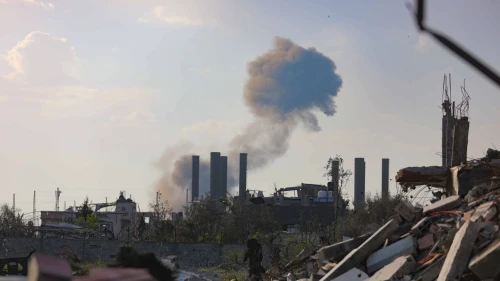
Another slain terrorist participated in the release ceremony of an Israeli hostage, and a third was behind a lethal rocket launch.
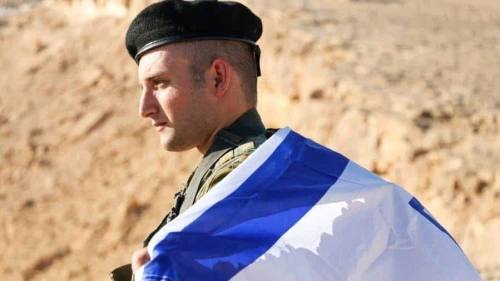
The pictures were reportedly recovered from the Gaza Strip by the IDF.

Israeli observers call for the IDF Southern Command to take over civilian activities in the coastal enclave and avoid leaving a vacuum for Hamas to fill.
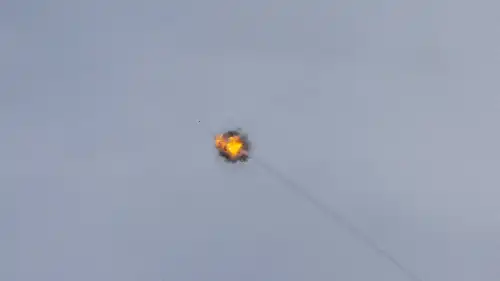
There were no immediate reports of injuries or damages in the attack.

Soussana told JNS that it made more difference “than I ever imagined that would” to speak out about what happened to her in captivity.
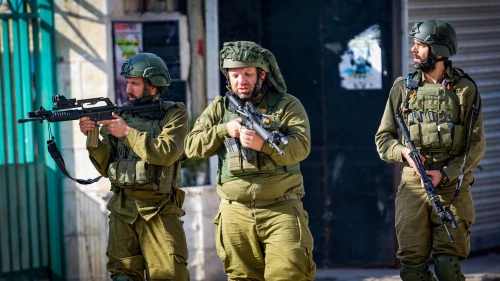
Troops stationed at the IDF’s Gilboa outpost “carried out a suspect arrest procedure and shot at him,” the military said.
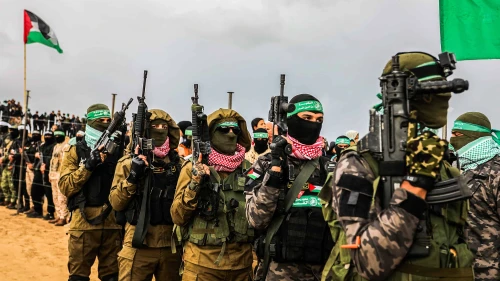
The terrorist group remains committed to an Egypt- and Qatar-backed plan; Jerusalem demands unconditional hostage release and disarmament.
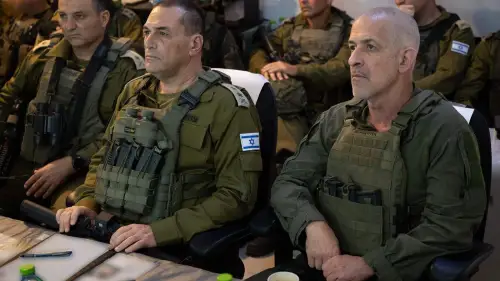
Eyal Zamir addressed troops near Rafah as the military offensive against Hamas intensifies.

Nearly half of 18- to 24-year-olds say they support Hamas; their responses are less out of line with other age cohorts when asked what should be done about the terror group.
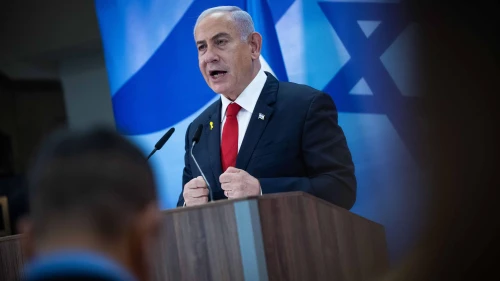
The Israeli prime minister also announced that the Israeli military was seizing the Morag Corridor in the southern Gaza Strip.

“The Palestinian Authority’s patterns of action do not allow for trust in it”, Sa’ar told the U.N. Mideast envoy.
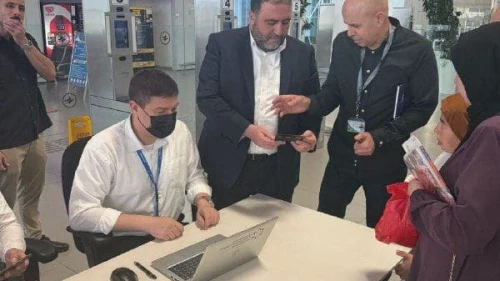
Hundreds of Palestinians have already been flown to third countries, primarily Germany, Romania and the United Arab Emirates.