Hamas is making faltering ceasefire talks with Israel more difficult by adding demands, including that Jerusalem commute the sentences of a large number of Palestinian terrorists serving life terms already during the first phase of a deal.
The Washington Post cited a senior U.S. official as saying on Saturday that while the two sides had agreed to the release of terrorist murderers in exchange for Hamas freeing Israel Defense Forces troops, Hamas last week decided that Israeli civilians would also need to be exchanged for these longtime prisoners, an idea the official described as a “poison pill.”
Last week, Israel’s Channel 12 reported that Hamas had increased the number of terrorist murderers serving life sentences that it is demanding be released during the initial days of the first phase of a deal.
CIA Director William Burns said on Saturday in London that reaching a truce agreement between Israel and Hamas terrorists will necessitate “some hard choices and some political compromises” from both sides.
Burns said that 90% of the proposed deal has been agreed on, but that “the last 10% is the last 10% for a reason, because it’s the hardest part to do.”
Israeli Prime Minister Benjamin Netanyahu last week dismissed reports suggesting that an agreement was close. “In fact, while we agreed in May, in July and in August to a deal, an American proposal, Hamas has consistently said no to every one of them,” he said on Thursday.
Confidential documents obtained from the computer of a senior Hamas leader by IDF troops have unveiled the terrorist organization’s calculated strategy of exploiting hostages, manipulating public opinion and rebuilding its military capabilities under the guise of ceasefire negotiations.
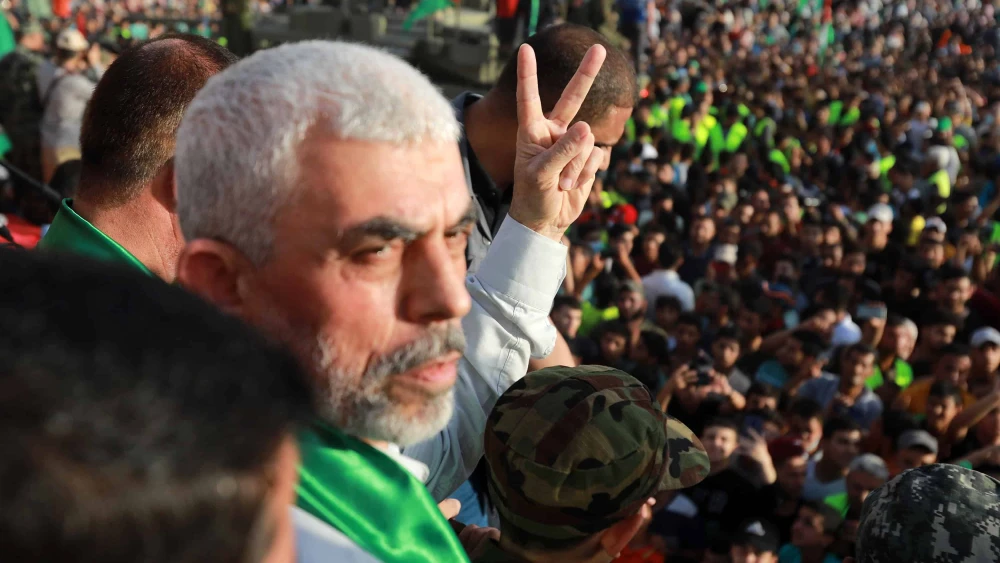
The document, which according to Channel 12 News was in the hands of the Israeli military in April, was found on a computer in the Gaza Strip believed to have belonged to Hamas leader Yahya Sinwar.
The contents of the file, which have not previously been made public, expose how the terrorist group deceives the international community and torments the families of Israeli hostages. This manipulative effort aims to harness them toward the goal of rebuilding Hamas’s military capabilities and securing its continued control over Gaza.