Iranian Foreign Minister Hossein Amir-Abdollahian on Thursday accused Israeli and Western politicians and intelligence agencies of sowing unrest in Iran, with the aim of toppling the regime.
“The security services, the fake Israeli regime and some western politicians who have planned for civil war, the destruction and disintegration of Iran, should know that Iran is not Libya or Sudan,” Tehran’s top diplomat wrote on Twitter.
“Today, enemies have targeted the integrity of Iran and Iranian identity. The wisdom of the people has disappointed the enemy. #Mighty Iran,” Amir-Abdollahian added.
سرویس های امنیتی ، رژيم جعلی اسراییل و برخی سیاسیون غربی که برای جنگ داخلی، ویرانی و تجزیه ایران نقشه ها كشيده اند، بدانند که ایران ، لیبی و سودان نیست. امروز دشمنان ، تمامیت ایران و هویت ایرانی را هدف قرار داده اند. بصیرت مردم ، دشمن را مایوس کرده است.
— H.Amirabdollahian امیرعبداللهیان (@Amirabdolahian) November 17, 2022
#ايران مقتدر
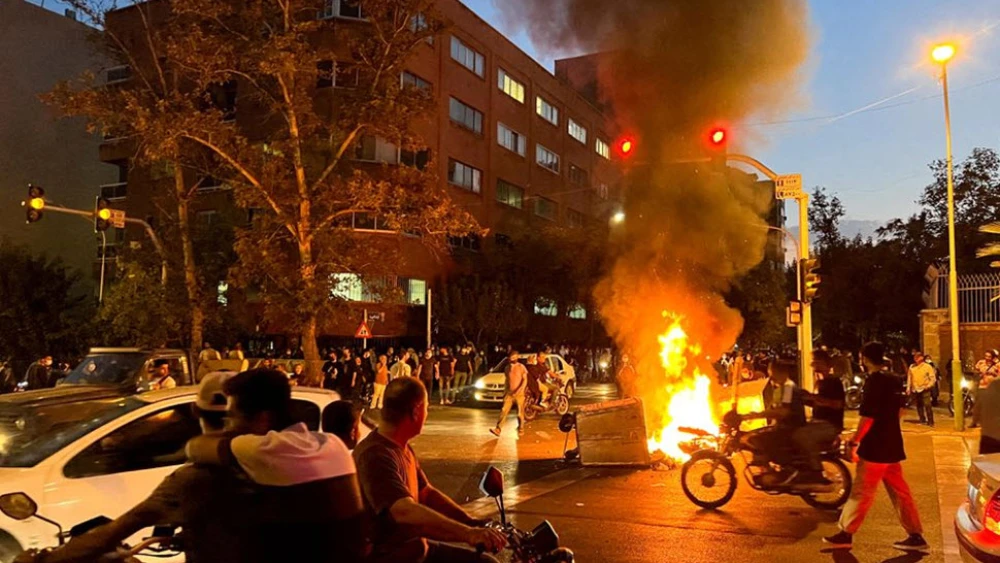
Massive protests have engulfed Iran since ethnic Kurd Mahsa Amini died in September after being detained and allegedly badly beaten by the regime’s morality police.
More than 350 people have been killed and 16,000 detained during the ensuing two months of protests, according to the Human Rights Activists in Iran watchdog group.
Amir-Abdollahian’s comments come a day after U.S. Central Command confirmed that an Iranian-made drone was used to attack the oil tanker Pacific Zircon off the coast of Oman on Tuesday night.
The oil tanker was operated by Singapore-based Eastern Pacific Shipping, a company owned by Israeli billionaire Idan Ofer.