As much of the world enters Christmas holiday preparation mode, focusing on gift-giving and sharing festive recipes, Israelis are connecting the dots to put this year’s Chanukah festival into context for our time.
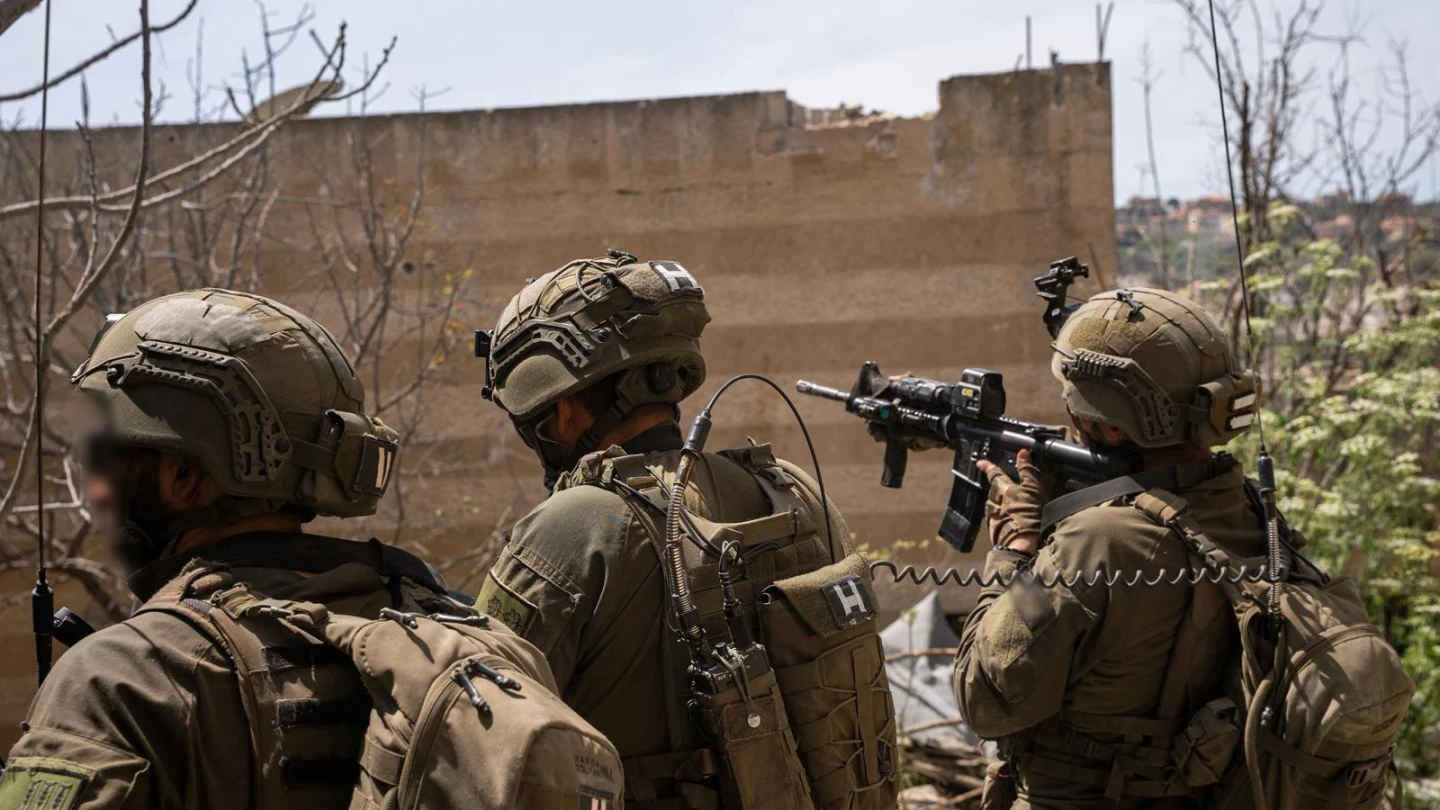
Many religious and political figures point out the similarities between our situation today, which is clearly an existential struggle—and the fight of the Maccabees to defeat the Seleucid Syrian-Greeks that led to the celebration of Chanukah. Over and over, we hear statements on this theme from IDF brass and top political leaders, including Prime Minister Benjamin Netanyahu.
At a Chanukah event honoring the Israel Police earlier this week, Netanyahu said, “[The Hasmoneans] did not give up and fought to the end against a brutal enemy that wanted to wipe the Jewish people off the face of the earth. …”
“The Maccabees then fought, they did not give in, they won. The Maccabees of today are you,” he continued.
But it’s been difficult this Chanukah to maintain the festive atmosphere that in normal times marks the eight-day holiday.
Despite the plethora of activities geared to kids who are on vacation for the holiday, and the best efforts of every municipality to deck out their cities with lights and flags, the strain of the past 10 weeks runs like a backdrop to the festival.
When the morning radio broadcast brings news of 10 troops killed overnight in the IDF ground offensive, there’s a national shudder. Women whose reservist husbands have barely been home since Oct.7; parents and grandparents who have multiple family members serving—all live with dread and hope.
With more than 100 soldiers killed in this phase of the war, it’s clear that there’s barely a single Israeli who is not connected to one of the fallen. Even those few with no direct friends or family in the IDF quickly scan the names to determine if their day will now include a funeral and the coming week will be marked by shivah calls.
For those hundreds of thousands evacuated from their homes in the south and on the northern border, Chanukah means a holiday in unsettled circumstances. Hundreds of volunteers showed up in the hotels where the refugees are scattered to coordinate activities, bring homemade treats and provide a sense of solidarity and hope.
Despite their discomfort, the message being conveyed by many representatives of the evacuees is that there will be no return to those border communities until full security is restored.
A skeleton crew
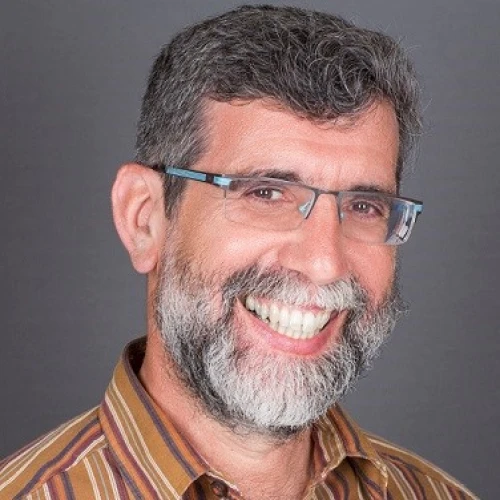
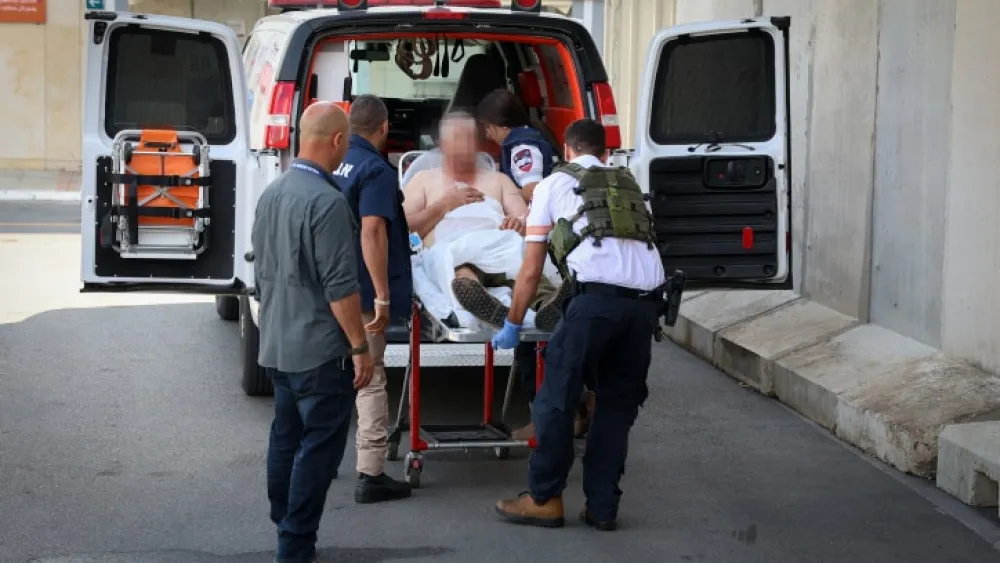
Ofer Amos, the security coordinator for Metula, explains that without what he calls a “final solution” for Hezbollah, there can be no future there. In the past few days, a house in the town was hit by Hezbollah missiles. The 1,700 residents of the picturesque and historic town, the closest to the Lebanese border, were evacuated on the first day of the war. A skeleton crew of people remains, in addition to the IDF soldiers stationed there.
Metula Mayor David Azulai tells journalists that the municipality tries to handle every request of the residents who left their homes in a hurry. “Here, someone just told us that they left two cats at Narkis Street that need to be fed. Of course, we take care of it,” he says with a smile.
Metula, with its spectacular views, was a thriving tourism and agricultural community before the war. Orchards of apples, pears, peaches, nectarines and avocados dot the countryside. Today, much of the produce lies rotting on the ground since the entire area is designated as a closed military zone. Farmers are weighing whether to replant, given the risk of more Hezbollah attacks.
But overwhelming everything is the urgent desire to see some movement on the return of the hostages held in the Gaza Strip. Each day, more of the freed captives reveal details of their horrific imprisonment and beg for immediate action for those who were left behind when negotiations collapsed. Most of them say they don’t know how the hostages are holding on under the severe conditions.
Every news broadcast on every media outlet is filled with the relatives of the hostages pleading for help and describing the particular circumstances of their captive family members. In many cases, the hostages are the remnants of families that were devastated in the Oct.7 attack.
Several of the relatives say that they learned from the released hostages that the captives were somehow able to hear Israeli news while in Gaza, so they end their interviews with poignant messages to their loved ones.
Meantime, the Hostages and Missing Families Forum keeps up the pressure with convoys and demonstrations and a constant stream of activity in “Hostages Square” near the Tel Aviv Museum of Art. Their message is to implore Israel’s leaders to reorder the priorities and strike a deal with Hamas that would free the hostages—and lead to the release of hundreds of Palestinian terrorists from Israel’s jails.