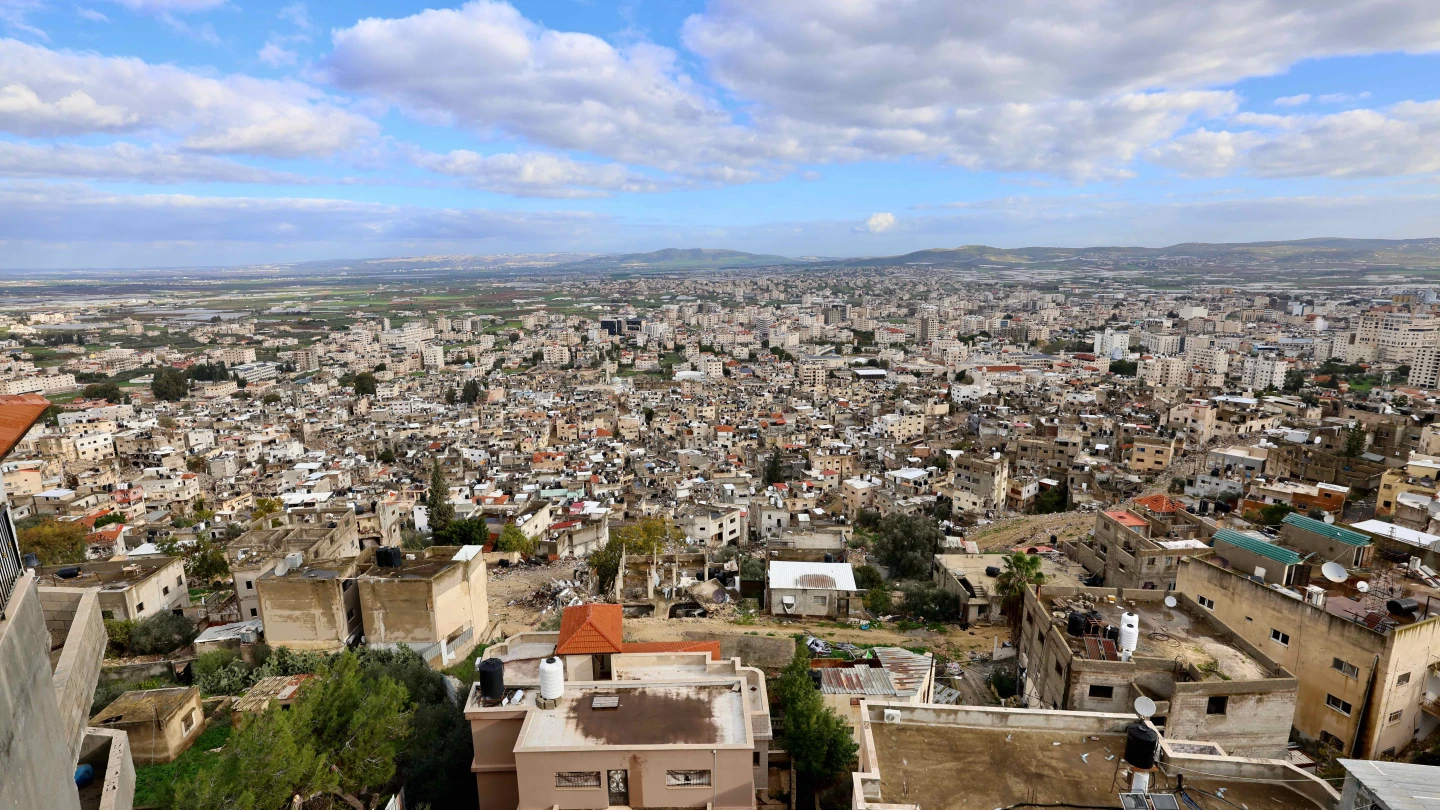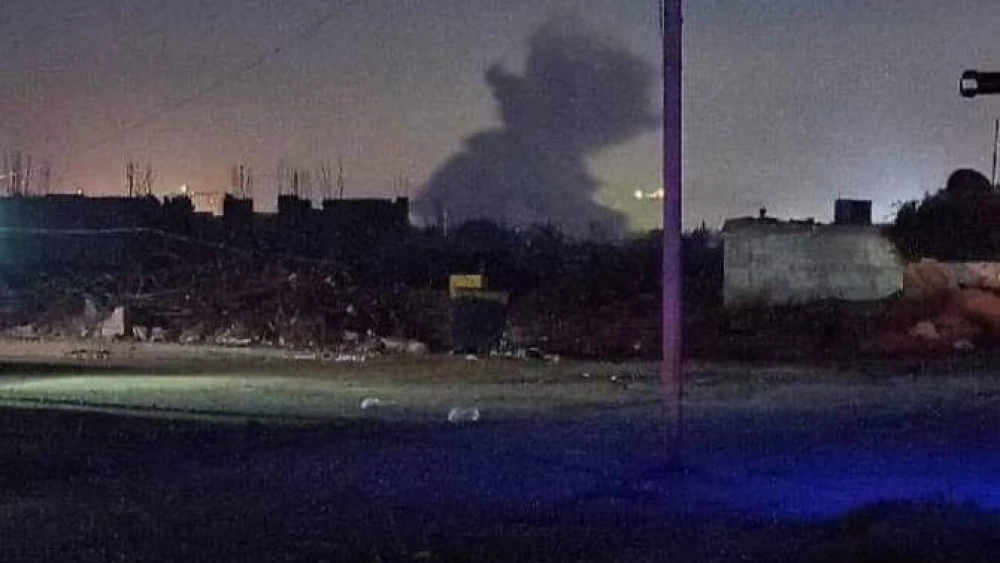
Syrian state media reported on Monday morning that two Syrian soldiers were wounded in Israeli missile strikes on Sunday night in the Damascus area.
The Syrian Arab News Agency (SANA) quoted a military source as stating that the strikes had also caused “some material losses.”
Terrorists in Syria fired three rockets at the Golan Heights on Dec. 12, one of which landed in Israeli-controlled territory.
One rocket struck an open area near Moshav Alonei Habashan in the central Golan Heights, while the other rockets fell inside Syria, according to the military.
The IDF responded by shelling the source of the fire.
On Dec. 10, Israeli Air Force fighter jets struck several targets in and around Damascus, causing material damage.
Israel has struck hundreds of targets in Syria in recent years as part of an effort to prevent Iranian military entrenchment in the country. However, Jerusalem rarely acknowledges these incidents.
Tensions have been elevated at all of Israel’s border regions since Hamas declared war on the Jewish state on Oct. 7 with its bloody invasion of the northwestern Negev, murdering 1,200 mostly civilians, wounding thousands more and taking at least 240 hostages back to Gaza.