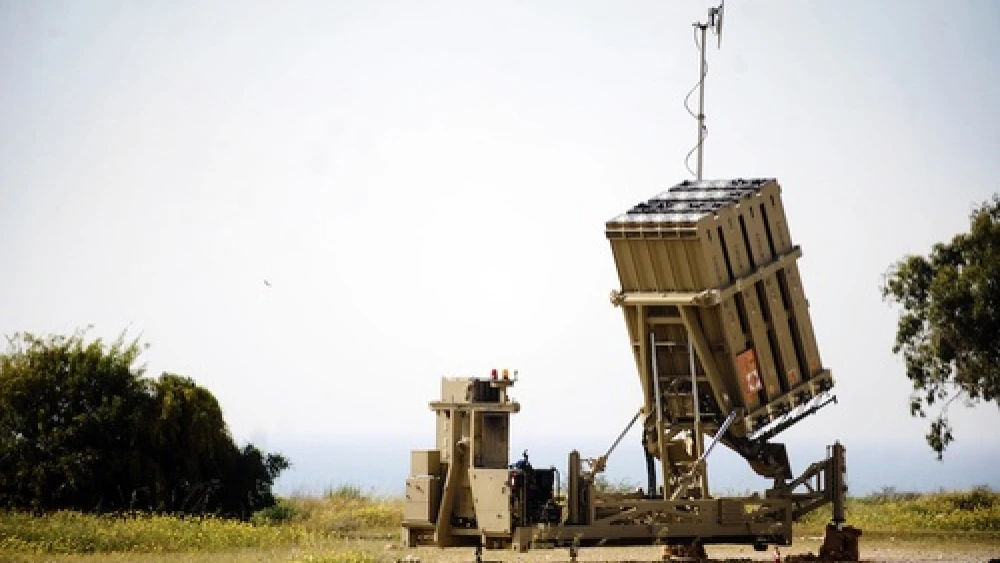
The Iron Dome has proven itself. It has given the state of Israel a bona fide operational capability to intercept and shoot down high-trajectory weapons including rockets, the first such capability in the world.
As this month’s rocket attacks from Gaza showed, in areas where it is deployed, Iron Dome—with its impressive performance—offers protection to the country’s southern residents and is even expected to make another significant contribution. Its ability to play a role in defending the country is multi-faceted: There is the moral layer—saving lives and protecting the population; the economic layer—preventing billions of shekels in damages that would occur if the workforce were paralyzed; and the strategic layer— providing decision makers and the army with crucial room for diplomatic maneuverability during crises and their escalation.
The Iron Dome also makes it possible to go on the offensive while at the same time maintaining faith in your ability to defend yourself from Gaza’s inevitable response: rockets. In addition, the system contributes to Israel’s ability to deter the enemy from shooting rockets, from both a practical and psychological perspective.
The costs are unprecedented: extremely low in relation to the normal costs for missile weapons systems (about a tenth of the cost!) during peak development. It is considered an incomprehensible achievement by operational and technological experts, as well as by military minds both in Israel and abroad.
This success comes because Israel had the foresight to establish a vision, knew the path to achieving that vision and did so in magnificent fashion. A team of people acted with initiative, courage and determination against all odds while overcoming a variety of “insurmountable obstacles.”
The overwhelming majority of the military and technological leaders from within and outside the defense establishment demonstrated a complete lack of faith and support along the way. They withheld funds during the crucial initial stages, and placed technological and systematic obstacles along a number of levels that stopped almost all similar projects that had been undertaken around the world.
The technological achievement is like that of many ground-breaking startup companies, each one operating at extremely high risk and whose integration with one another is even more dangerous—where success was imperative, and achieved beyond expectations.
The writer is a former head of research and development at the Defense Ministry.
This story first appeared in the English newsletter of Israel Hayom (http://www.israelhayom.com/site/newsletter_opinion.php?id=1530) and is distributed with the permission of Israel Hayom.