An Israeli delegation arrived in Cairo on Wednesday to continue indirect ceasefire talks with the Hamas terror group, Egyptian sources told the Associated Press on Wednesday night.
The Israeli contingent included six people, airport officials said without disclosing identities. The Egyptian sources spoke with AP on the condition of anonymity as they were not authorized to brief reporters.
Earlier this week, Israeli diplomatic sources told local media that despite the Gaza strike targeting Hamas terror commander Mohammed Deif, negotiations for a truce and the release of captives would continue. (While his deputy was killed in the attack, Deif’s fate remains unclear.)
Meanwhile, sources in Hamas confirmed to the Lebanese daily Al-Akhbar daily, which is close to Hezbollah, that the talks were ongoing.
According to the report, Israel told Cairo that it would not halt military operations until there was a deal and that “the targeting of Hamas leaders inside Gaza will continue even while negotiations continue.”
The news of the resumption of negotiations came as The New York Times reported that talks appeared to have gained momentum in recent days.
The Times said on Monday that several points of contention remained, including Hamas’s demands that Israel permanently end the war and withdraw from strategic areas, including Gaza’s border with Egypt.
However, in private discussions with Egypt, Israel has indicated that Jerusalem might be willing to withdraw if Egypt agreed to measures that would prevent arms smuggling along the frontier, the report cited two Israeli officials and a senior Western diplomat as saying.
Israeli Prime Minister Benjamin Netanyahu has publicly stressed that “in every scenario, Israel will continue to control the Rafah Border Crossing and the Philadelphi Corridor,” using the IDF’s name for the 8.5-mile border.
During a July 10 meeting in Israel, Netanyahu told U.S. National Security Council Coordinator for the Middle East and North Africa Brett McGurk that he remains committed to a deal as long as it adheres to his red lines.
The premier’s stated red lines include the ability to resume fighting in Gaza until all war goals have been met; an end to arms smuggling from Egypt; no return of “thousands” of Hamas terrorists to the enclave’s north; and maximizing the number of living hostages released.
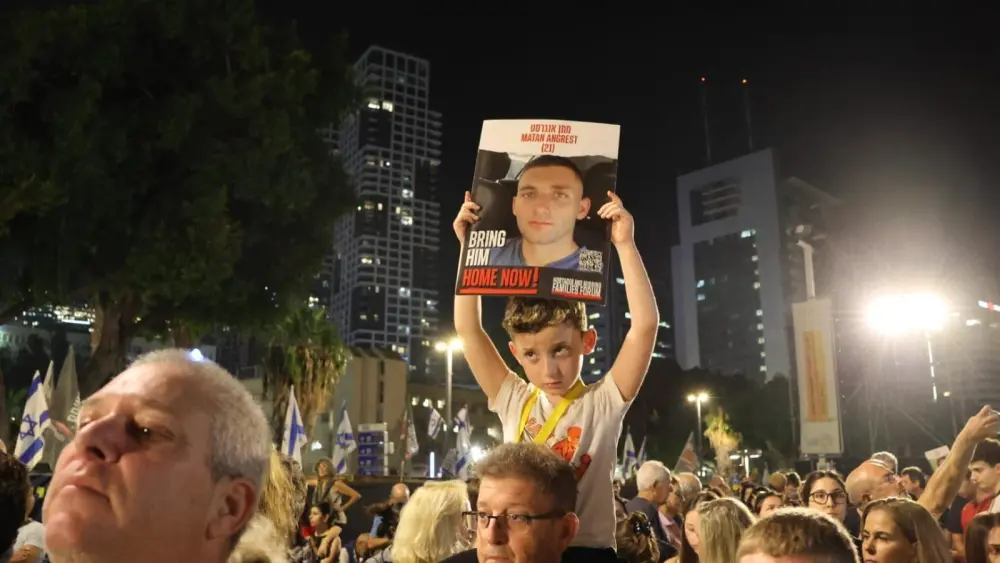
Of the 120 hostages remaining in the Strip, 116 were abducted during the Oct. 7 Hamas-led massacre (the other four were captured earlier). The figure includes both living and deceased men, women and children.
At least dozens of the remaining hostages are believed to be alive, a senior Israeli official involved in the negotiations told AFP last month.
The official told the agency that Israel cannot commit to ending the war as a precondition for a deal because Hamas could “breach their commitment ... and drag out the negotiations for 10 years” or more.