Newsletter
Newsletter Support JNS

Knesset votes to extend longstanding state of emergency

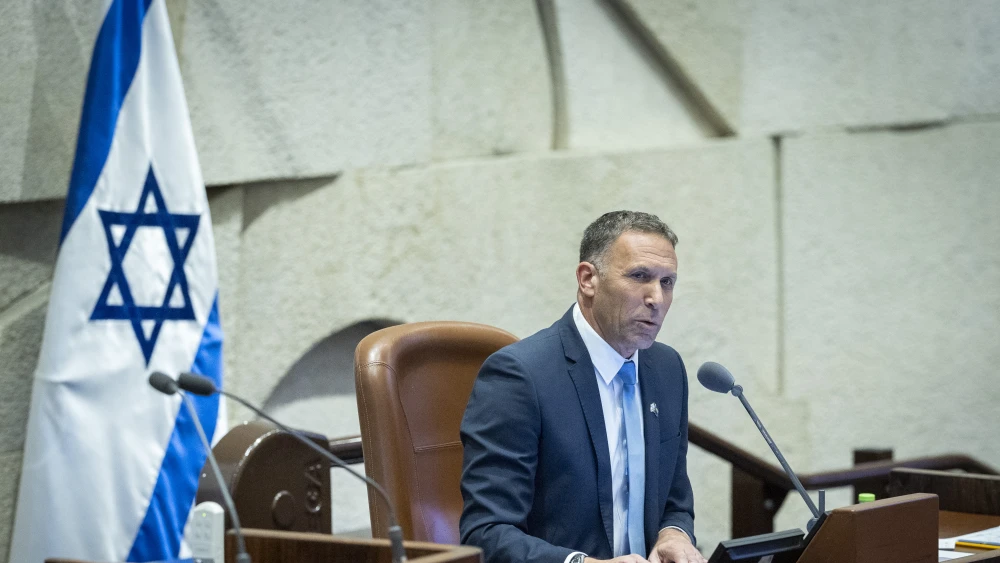
Newly elected Knesset Speaker MK Matan Kahana of the Yashar party delivers a speech at the Knesset, the Israeli parliament in Jerusalem, following his election as Speaker of the 26th Knesset with the support of 66 lawmakers, replacing outgoing Speaker Amir Ohana, Nov. 17, 2026. Photo by Chaim Goldberg/Flash90.
Chaim Goldberg/Flash90

Knesset lawmakers voted 8-1 on Wednesday to extend Israel’s national state of emergency until March 18, 2027, the parliament said.

The plenum approved a recommendation by the temporary Knesset Foreign Affairs and Defense Committee, following a government request.

The declaration is usually renewed for a year, but the temporary committee formed after the Oct. 27 Knesset election can only approve four-month extensions, Hebrew media reported.

The declaration has been in effect since the Jewish state’s founding in 1948, when the Provisional State Council issued it.

It lets the government enact emergency regulations that can override Knesset legislation, subject to legal limits. It also keeps certain laws and orders that depend on the emergency in force.

See more from JNS Staff
The U.S. president said talks with Tehran were continuing amid reports that he was weighing renewed strikes on Iran.
“They thought even terrorists have human rights,” the Czech Republic’s top diplomat tells JNS.
The measures target construction companies operating in Jewish communities in Judea and Samaria and an activist group accused of blocking aid to Gaza.
“There is a sense sometimes in New York City, especially, that it’s open season on Jews,” Alan Scheiner, a lawyer for Moshe Katz, told JNS.