Some members of Israeli Prime Minister Benjamin Netanyahu’s governing coalition criticized his decision on Monday to heed U.S. President Donald Trump’s call not to strike Beirut.
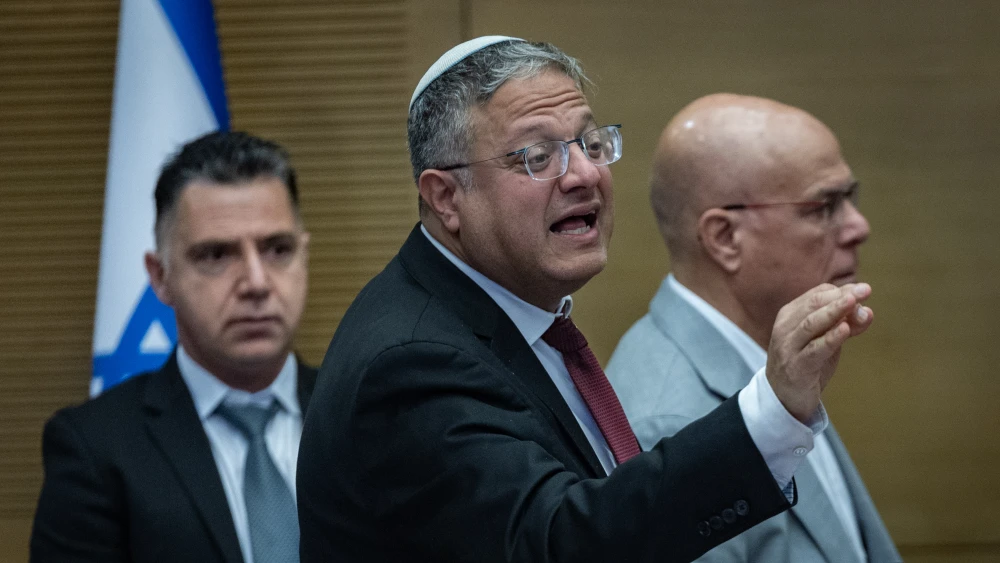
“Mr. Prime Minister, you said that a strong prime minister tells the president of the United States ‘yes’ when possible, and ‘no’ when necessary,” National Security Minister Itamar Ben-Gvir (Otzma Yehudit Party) tweeted on Monday night. The senior minister added, “Now is the time to tell our friend President Trump no.”
“Now is the time to do what is necessary and required to strike Hezbollah, free the hands of our soldiers and restore security to the north,” he said.
Dan Illouz, a member of Netanyahu’s ruling Likud Party, tweeted on Monday night, “Prime Minister Benjamin Netanyahu, May 2024: ‘I say to the leaders of the world—no pressure, no decision by an international forum, will stop Israel from defending itself. If Israel is forced to stand alone, it will stand alone.’ Mr. Prime Minister, this must be true even today.”
Otzma Yehudit’s Limor Son Har-Melech called on Netanyahu to “set a clear boundary, even with our greatest friends.”
“True friendship does not require sacrificing the security of Israeli citizens and IDF soldiers. This is the time to say to the president of the United States as well: Enough is enough. The State of Israel must preserve full freedom of action against Hezbollah; to strike the terrorist organization without restrictions, to unleash the hands of our fighters and to restore security to the residents of the north,” she stated.
Moshe Saada, another Likud lawmaker, told Ynet on Tuesday that the Jewish state “should have acted—not now, two weeks ago.”
“What’s happening here is that we contain, buy silence, and in the end it explodes in our faces,” he said. “We must not contain, we must destroy and win.”
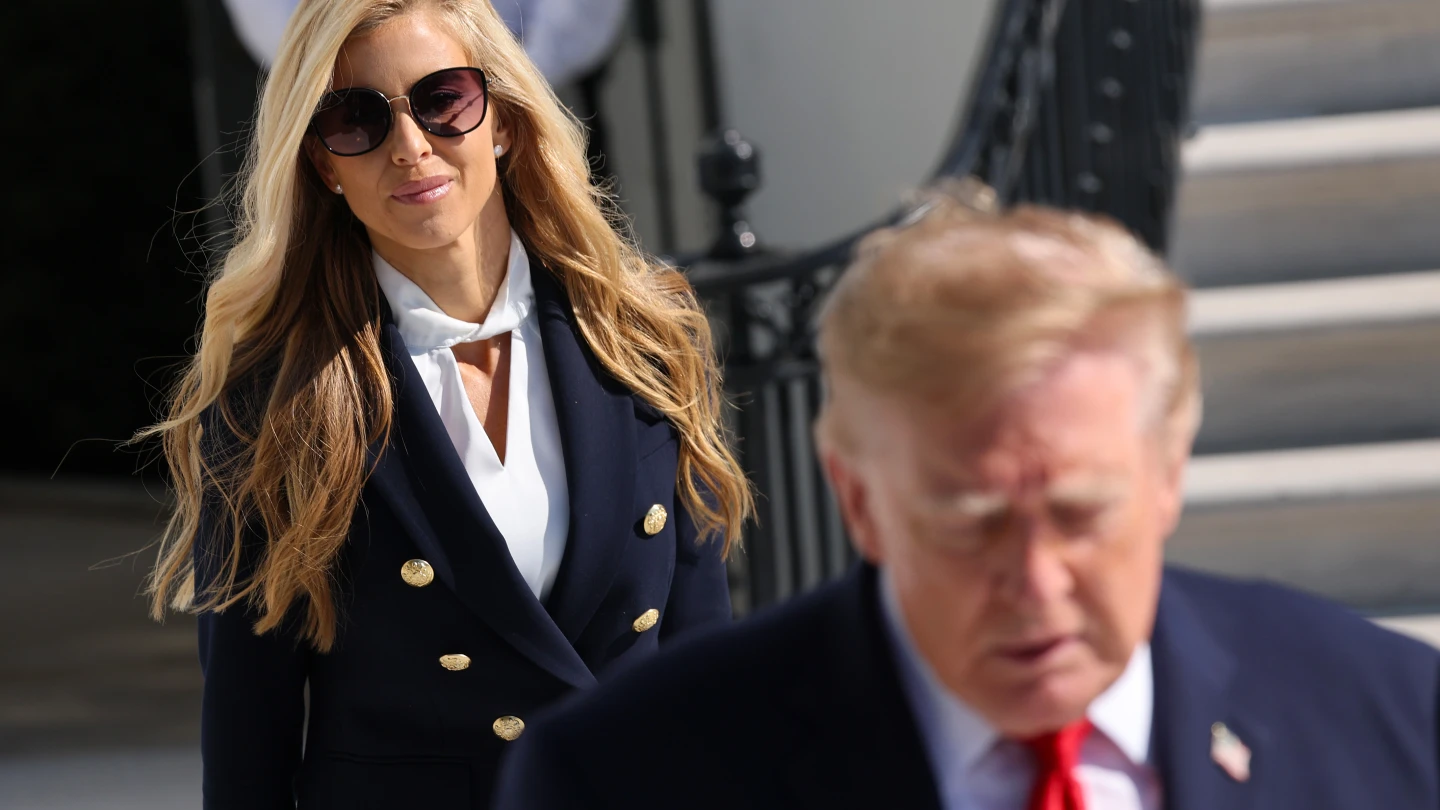
Trump said on Monday evening that he had spoken with Netanyahu, “asking him not to go into a major raid of Beirut, Lebanon.”
“He turned his troops around. Thank you Bibi,” the president said. “I also had a conversation with representatives of the leaders of Hezbollah, and they agreed to stop shooting at Israel and its soldiers. Likewise, Israel agreed to stop shooting at them.”
“Let’s see how long that lasts,” Trump stated. “Hopefully it will be for eternity.”
Netanyahu subsequently stated that he told Trump “that if Hezbollah does not stop firing at our cities and citizens, Israel will strike terrorist targets in Beirut.”
Israel’s position on this remains unchanged, Netanyahu’s office said in response to Washington’s announcement. “Concurrently, the IDF will continue to operate as planned in Southern Lebanon.”
Hezbollah’s attacks resumed some three hours after Trump’s announcement, with air-raid sirens sounding in the eastern Galilee town of Metula. The Israel Defense Forces said the alarms were triggered after a Hezbollah rocket struck near its soldiers operating in Southern Lebanon. No injuries were reported.
Overnight, sirens sounded across the Galilee and Golan Heights after projectiles were fired from Lebanon. The IDF said two launches crossed into Israeli territory and were intercepted, with no casualties reported. Additional alerts were triggered in the western Galilee over a suspected drone infiltration; the IDF said a “suspicious aerial target” fell near the border and that there were no injuries.