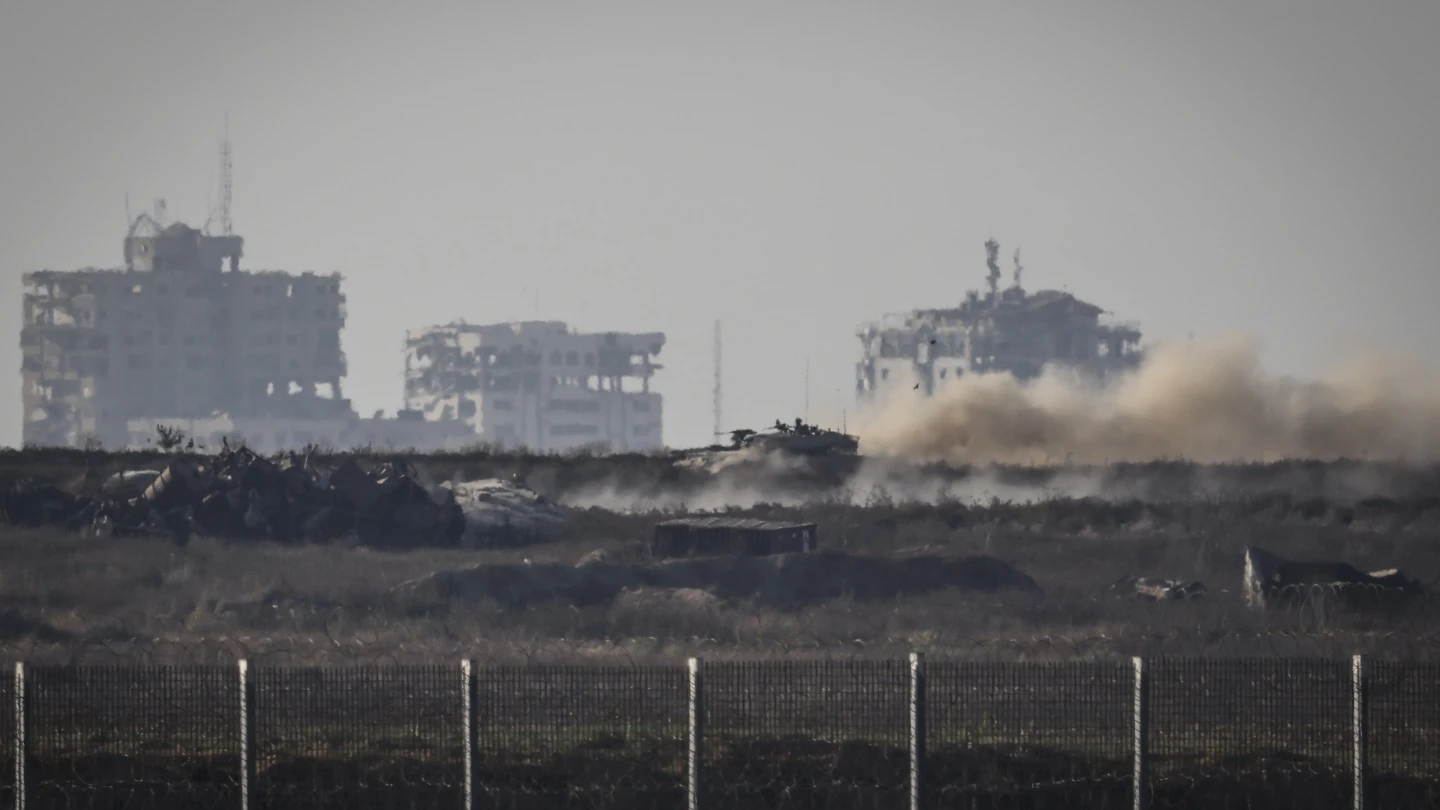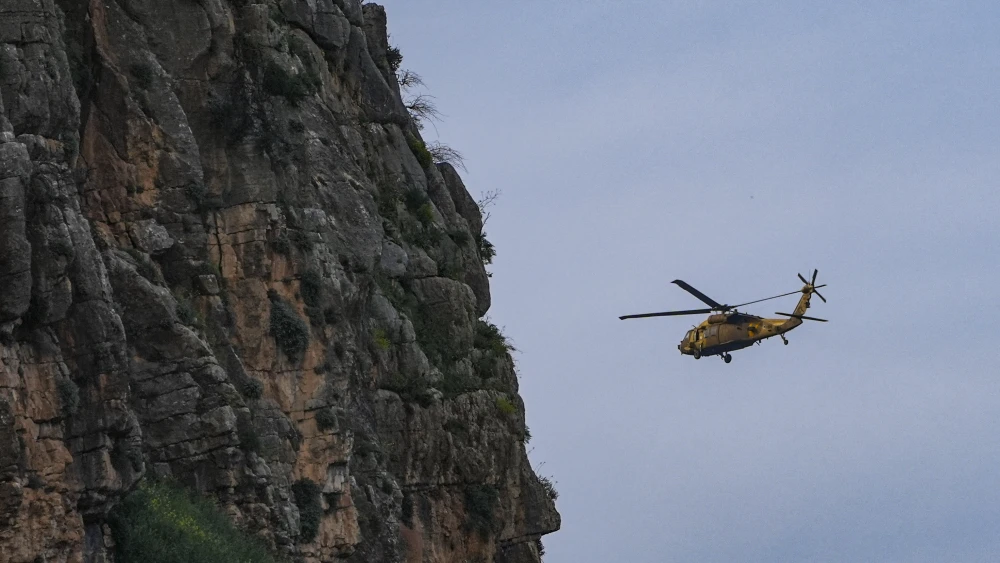
Israeli Prime Minister Benjamin Netanyahu said on Sunday that he had instructed the Israel Defense Forces to “further expand the existing security zone” on the Lebanese side of the border with Israel to “finally thwart the threat of invasion and to keep anti-tank missile fire away.”
Until 2000, Israel had maintained a buffer zone in Southern Lebanon, together with the now-defunct South Lebanon Army, a predominantly Christian entity with recruits from the Maronite minority of Lebanon. After the 2000 IDF pullout, Hezbollah became one of the best-armed terror groups in the world, capable of sustained fighting with the IDF.
“It must be understood that [slain Hezbollah leader Hassan] Nasrallah created a great force here. He believed that with this force he would destroy us. We eliminated Nasrallah. We eliminated thousands of Hezbollah terrorists, and above all, we eliminated the enormous threat of 150,000 missiles and rockets, which were intended to destroy Israeli cities,” Netanyahu said. “But Hezbollah still has a residual ability to launch rockets at us.”
Prime Minister Benjamin Netanyahu, today, at IDF Northern Command :
— Prime Minister of Israel (@IsraeliPM) March 29, 2026
"I have just concluded an assessment at Northern Command with the Defense Minister, the IDF Chief-of-Staff, the Head of Northern Command, and also the division commanders. pic.twitter.com/U1ZqmzRM4A
Netanyahu said he’d discussed with the heads of the IDF Northern Command “ways to remove this threat as well,” though he added that he “cannot share these discussions.” The premier added “that we are determined to fundamentally change this situation in the north.”
In a short address announcing the security buffer push, Netanyahu also provided an overview of what he presented as the achievements of the war against Iran and its proxies since the Hamas-led Oct. 7, 2023, massacre.
“We are in a multi-front campaign. We are striking with tremendous force at Iran and its proxies. We are bringing about tremendous achievements, achievements that are creating visible cracks in the terrorist regime in Tehran.”
Iran, Netanyahu said, “is not the same Iran, Hezbollah is not the same Hezbollah, and Hamas is not the same Hamas. These are no longer terrorist armies that threaten our existence—these are defeated enemies, fighting for their survival.”
Instead of those entities surprising Israel, “we are surprising them. We are the active party, we are the attacking party, we are the initiating side—and we are deep in their territory,” he said.
Netanyahu recalled that shortly after the Oct. 7 Hamas invasion, he’d said that “we would change the face of the Middle East, and we did it. But we also changed our security concept. We are initiating, we are attacking, and we have created three security belts deep in enemy territory.”
In Syria, he said, the buffer extends from the crest of Mount Hermon to the Yarmouk River; in Gaza, to more than half of the Strip. “And in Lebanon, I have now instructed to further expand the existing security zone,” Netanyahu said.