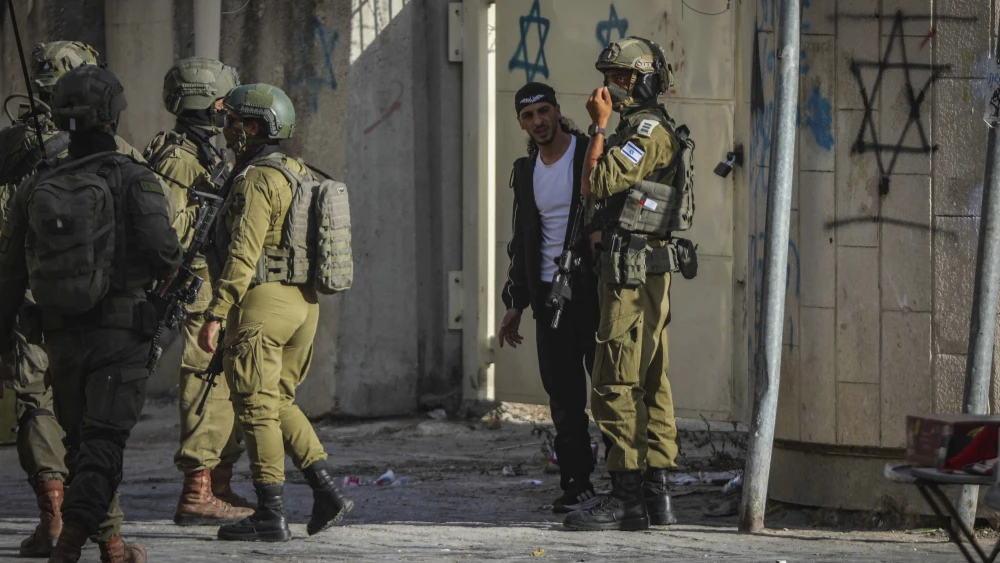
The U.S. Embassy in Jerusalem has extended a temporary restriction on personal travel by U.S. government personnel and their family into Judea and Samaria through Wednesday.
“Due to heightened security concerns and increased volatility in the West Bank, the U.S. Embassy is temporarily restricting personal travel by all U.S. Government personnel and family members into the West Bank,” Monday’s statement read.
Due to heightened security concerns and increased volatility in the West Bank, the U.S. Embassy is temporarily restricting personal travel by all U.S. Government personnel and family members into the West Bank.
— U.S. Embassy Jerusalem (@usembassyjlm) July 27, 2026
This restriction has been extended and will remain through… pic.twitter.com/MvALNkPwqQ
The embassy urged people to stay alert, avoid demonstrations and areas with heavy police presence, and to follow local authorities’ instructions.
The State Department’s travel advisory for “Israel, the West Bank and Gaza” remains in place, along with its broader cautions for U.S. travelers.
Jerusalem refers to the territory as Judea and Samaria, while Washington officially calls it the West Bank.