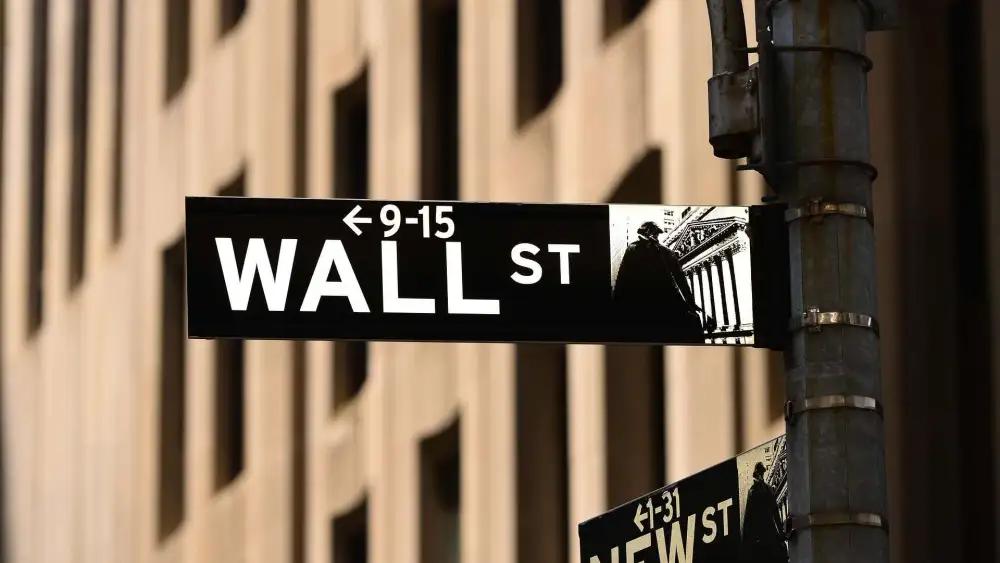
If New York City divests from companies that conduct business with and in Israel, it could cause more than $37 billion in Big Apple taxpayer “potential forgone value” between 2025 and 2035, according to an analysis that the Anti-Defamation League released on Wednesday.
The report comes as Zohran Mamdani, mayor of New York City, has called for the city to divest from Israel Bonds. A staunch supporter of the movement to boycott the Jewish state, Mamdani has said that he would have the Israeli prime minister arrested in New York City, and his spokeswoman said that synagogues that host pro-Israel events violate international law.
New York City, which has the fourth-largest public pension system in the country, guarantees pensions for city employees, according to Ari Hoffnung, senior adviser on corporate advocacy at the ADL and managing director of its JLens affiliate.
The city has to compensate for budgetary shortfalls either by raising taxes or fees or by cutting “vital services like public safety, education or social services,” Hoffnung told JNS.
“Proponents of BDS need to understand that, based on our research, there will be a real economic cost to taxpayers,” he said. “Any performance gaps of the pensions ultimately fall on taxpayers to resolve.”
Mamdani can appoint at least one trustee to the city’s five pension boards, according to the ADL report.
The ADL and JLens based the analysis on 47 companies, including Airbnb, Amazon, Chevron and Starbucks, that they believe are “BDS top targets.”
They identified the 47 based on whether there have already been efforts to boycott them on anti-Israel grounds and if the companies are among the largest public entities in the country.
The ADL and JLens examined two portfolios from July 1, 2015 to June 30, 2025—one with the 47 companies and one without. The portfolio that excluded companies doing business with Israel underperformed the portfolio that included them by about 2% annually, according to the report.
“That might not sound like a lot. What’s 2%? You have $100—2% is $2,” Hoffnung told JNS. “But the city pension funds have $300 billion, and they have nearly $80 billion of equities.”
Based on that analysis, the ADL and JLens ran a projection of the next 10 years and determined that there would be $37.55 billion less value if the city’s five pension funds were to follow the wishes of anti-Israel activists.
“It’s a reasonable assumption, when you’re trying to make a forecast, to look at what happened previously and then to say, ‘Look. We don’t know what lies in the future. We live in a very volatile world, but we’re going to assume that the future looks somewhat similar to the past,’” Hoffnung said.
Campaigns to boycott Israel have moved from college campuses to “city halls and state legislators,” and such campaigns are “major economic decisions,” according to Hoffnung.
“We’re not just talking about Israeli bonds and Israeli companies. We’re talking about American companies that do business in Israel and with Israel,” he told JNS. “Most people don’t realize that.”