The New York City Education Department has to hand over records about its internal guidelines to determine if yeshivas are complying with the state’s compulsory education law, the state Supreme Court ruled.
The ruling was a victory for The Jewish Press, which sought the records under the state Freedom of Information Law during Bill de Blasio’s tenure as mayor.
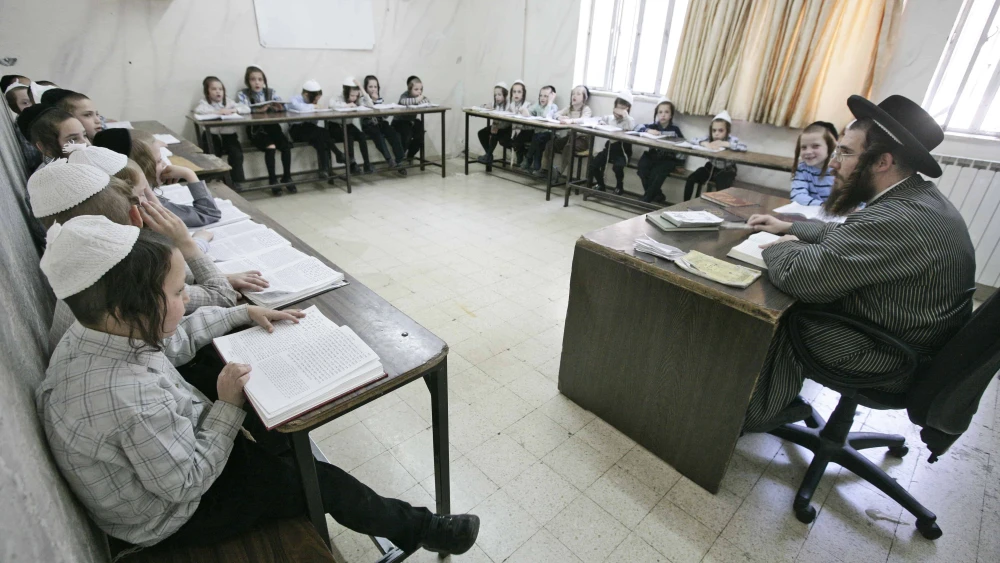
Critics have long accused New York City yeshivas, which are religious private schools, of providing inadequate secular education, a charge which supporters say is fueled by anti-Jewish bias.
In 2023, the state said, after an eight-year investigation, that 18 of the 27 Chassidic schools it studied failed to educate students enough in English, math, science and social studies.
The Jewish Press sought documents, including those that “outline minimum requirements for education in nonpublic schools,” under state FOIL law, in 2020.
Joseph Aron, a lawyer for The Jewish Press, told JNS that for the city to determine which yeshivas comply with compulsory education laws, “presumably they had to have some rubric and they had to have an understanding of what, legally, religious people could do, and what the minimum is based on what the Supreme Court said.”
New York City refused to yield some of its records to The Jewish Press and said that the newspaper had sought city legal conclusions, which are shielded from public record.
Aron told JNS the city’s legal theory is “ridiculous.”
“This is their guideline book of how they understand it and what they look for when they inspect schools for the compulsory education law,” he said.
The New York City Corporation Counsel, which represents the city in legal matters, declined to comment to JNS.
After the case went through the courts for five years, the appeals court heard the case six months ago. It ruled on Thursday that the records are not exempt from state FOIL law.
Under more than 130-year-old state law, New York requires nonpublic schools to provide an education that is “substantially equivalent” to that of public schools. In 2018, a state Senate amendment to the late 19th-century law, widely seen as having anti-Catholic origins, directed the state education department to decide whether a nonpublic school was providing a “substantially equivalent” education.
New York City education officials still launch their own probes and make their own determinations. The state can reject such conclusions.
Aron told JNS that he does not expect a further appeal by the city.
New York Gov. Kathy Hochul signed legislation last year delaying the deadline by more than seven years for yeshivas to comply with state education standards. She also made compliance easier by letting schools design exams and choose their accreditors.