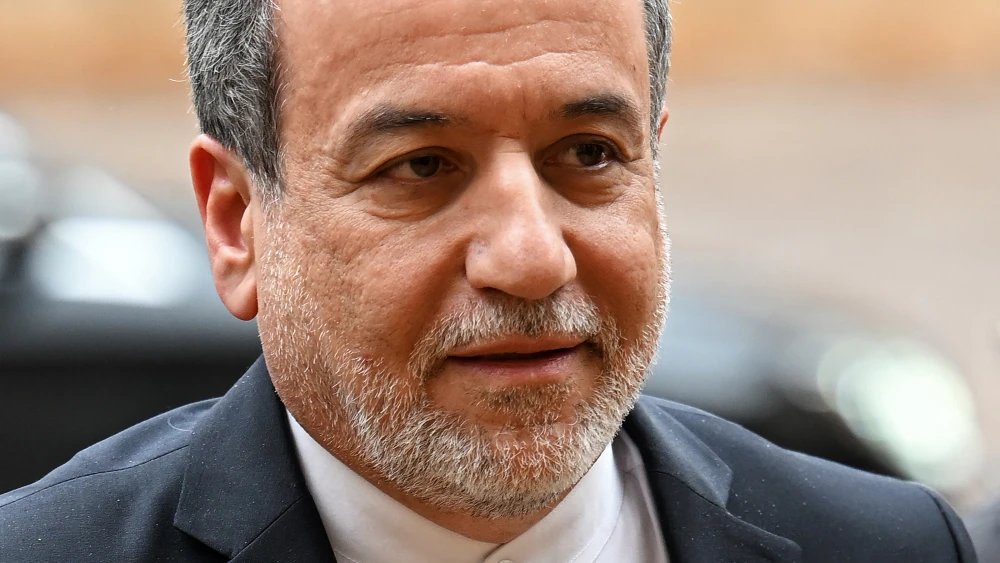
The Iranian regime rejected a Qatari proposal to hold direct talks with the United States to bridge outstanding differences, Axios reported on Thursday, citing regional and U.S. sources.
Qatari mediators traveled to Tehran on Wednesday for meetings with Iranian Foreign Minister Abbas Araghchi and other senior officials to revive talks aimed at ending the war, according to the report.
Iranian and U.S. officials held separate talks with Qatari interlocutors in Doha over the past two days, the regional source said.
Two U.S. officials told Axios that Washington hoped its retaliatory airstrikes would persuade Tehran to respond to President Donald Trump’s proposals, adding that his threats were part of the same effort.
“The deal is still on the table, but the president is ready to make the Iranians pay a price if they continue to delay and drag their feet,” one official said.
The U.S. and regional mediators warned Iran multiple times over the past 12 days that it needed to respond before possible “spoilers” undermined the negotiations or a tactical incident triggered an escalation.
On Sunday, Iran fired ballistic missiles at Israel in response to Jerusalem’s operations against Hezbollah, Tehran’s terrorist proxy in Lebanon. The Israel Defense Forces responded with a series of airstrikes targeting Iranian regime sites.
The next day, an Iranian drone downed a U.S. Apache helicopter near the Strait of Hormuz, triggering a series of tit-for-tat attacks between Iran and the United States.
“Last night, the Iranians shot down one of our highly sophisticated Apache helicopters while patrolling over the Strait of Hormuz,” Trump wrote on Tuesday. “The United States must, of necessity, respond to this attack.”
United States Central Command stressed that the strikes on Tuesday and Wednesday came “in response to Iran’s unwarranted and continued aggression.”
Washington’s military response to the attack on the helicopter was intended to restore some leverage while avoiding casualties and preserving the possibility of a deal, a senior U.S. official told Axios.
Axios reported that, as U.S. fighter jets were on their way to strike Iran on Tuesday, the White House sent messages to Tehran that they would only hit military facilities, after making clear that “time was running out.”
“We told the Iranians that if the pilots were killed, we would have been in a whole different place today,” one U.S. official said. However, “if we didn’t respond, it would have made us look weak and also negatively influenced our position in the negotiations with Iran,” according to a White House source.
Trump said on Wednesday that the regime would “have to pay the price” for stalling the ceasefire talks with his envoys.
“They’ve taken too long to negotiate a deal that would have been great for them,” the president wrote on his Truth Social platform.
In a subsequent interview with Fox News correspondent Trey Yingst, Trump said he was getting close to ordering further strikes on Iranian power plants and bridges as he accused Tehran of stringing him along in the talks.
“I may keep going,” Trump said in the phone interview, according to Yingst.
The remarks came shortly after a spokesman for Iran’s Foreign Ministry said that Tehran’s participation in the truce talks talks “must be reviewed” following the renewed U.S. strikes.
Esmaeil Baghaei said Washington harmed the ongoing talks “through the contradictory messages it sends, its repeated shifts in positions and demands, and, worst of all, through repeated violations of the ceasefire,” according to the state-run IRNA news agency.
Baghaei said the Islamic Republic “would not hesitate for a moment” to take military action whenever necessary. He added, “Diplomacy and the battlefield are not separate matters; rather, they exist alongside and complement one another in safeguarding Iran’s interests and security.”