Despite a recent conference hosted by the U.S. State Department aimed at broadening the international focus on political terrorism, the department insists that combating Islamist terrorism, particularly threats linked to Iran, remains a core U.S. national security priority.
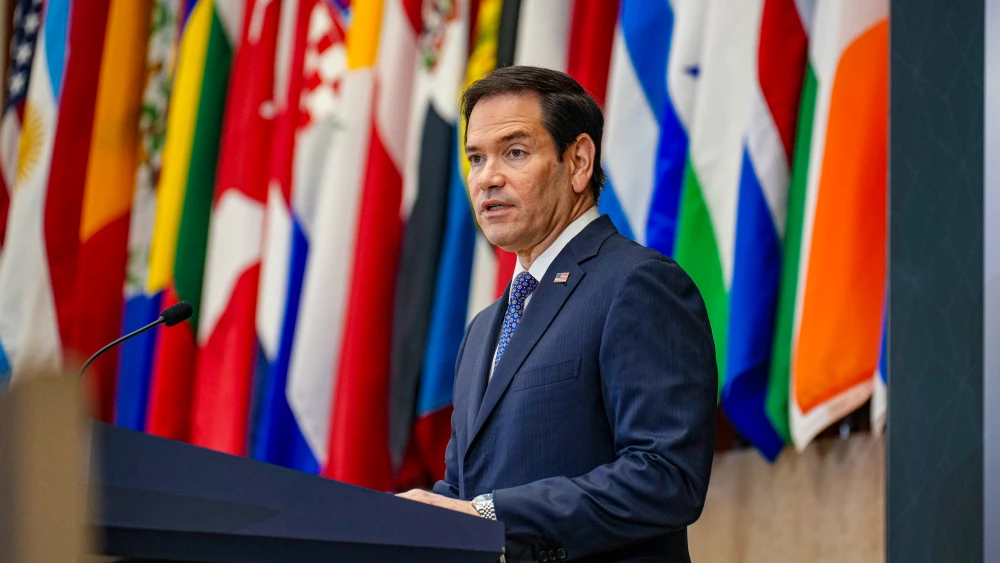
The State Department convened representatives from about 70 countries, including Israel, on July 16 for its Ministerial on the Resurgence of Political Terrorism to bring attention to “a blind spot in the international community’s counterterrorism focus,” arguing that the international community has devoted insufficient attention and resources to the growing threat posed by transnational far-left violence.
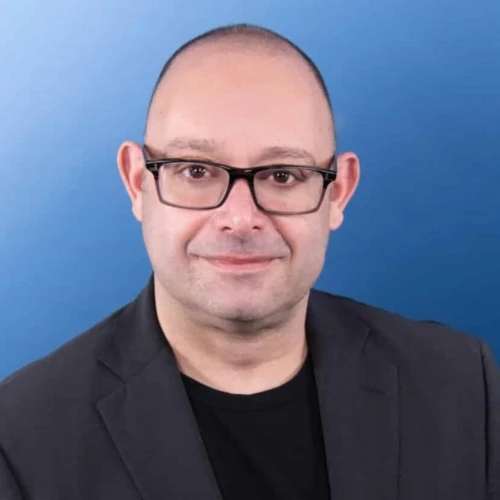
“We do see a convergence of different types of terrorism, an overlap with increasing connections, for example, with Iranian terror proxies and these far-left terror groups,” State Department spokesman Tommy Pigott told i24NEWS. “We’re seeing increasing links, perhaps increasing motivations, when it comes to terror plots.”
The administration’s shift in focus “doesn’t mean that the threat” of Iran-backed Islamist terrorism “goes away, but it means we have counterterrorism tools that have been able to, in many instances, successfully thwart attack,” Pigott said, citing sanctions and international cooperation targeting Tehran.
Iran backs a network of terrorist organizations across the Middle East, including Hamas and Palestinian Islamic Jihad in the Gaza Strip, Hezbollah in Lebanon, the Houthis in Yemen and an array of Shiite militias in Iraq.
“That remains a high priority. It’s within the national security strategy, for example, specifically talking about that brand of terrorism,” Pigott said. “But we do have tools here we can build upon. We need to see what we’ve done in the past, see what’s worked, fix what hasn’t worked, and make sure that we’re working together to keep us all safe.”
Washington is attempting to neutralize Hezbollah, Iran’s proxy in southern Lebanon, through a trilateral framework it brokered with Israel and the Lebanese government. The partnership led to a White House visit last week by Lebanese President Joseph Aoun and the launch of the so-called pilot zone program, which aims to see the Lebanese Armed Forces establish control over areas Hezbollah has long held, with Israel Defense Forces troops subsequently withdrawing from those positions.
“No one’s downplaying the challenges ahead of us,” Pigott said, responding to a question about the likelihood of success. “The United States, from the beginning of this process, has been focused on creating the space for good faith conversations, good faith discussions to take place.”
He added that “giving countries an ability to build up the infrastructure institutions that are needed to make sure they’re sovereign over their territories, they’re at peace with themselves,” is key to the Lebanon arrangement and others the administration is working toward.
Separately, the Democratic Socialists of America was cited in a State Department report released this month examining Cuba’s influence on and partnerships with hard-left organizations in the United States. The report also named the anti-Israel activist group Code Pink.
“We have grave concerns with the network, the decades-long influence and espionage campaign that the Cuban regime has implemented and is continuing to implement to this day within the United States of America,” Pigott told i24NEWS. “That report was a transparently cited report to say to the American people: Here is the evidence that you can look at with your own eyes. These groups are proud, astonishingly, of their affiliation with the Cuban regime.”