The U.S. Department of the Treasury unveiled sanctions on Wednesday on a network of people, companies and vessels that “provide a veneer of legitimacy,” but operate on behalf of Iranian oil shipping magnate Mohammad Hossein Shamkhani.
Shamkhani is the son of Ali Shamkhani, a senior Iranian official and former defense minister who was killed in U.S.-Israeli strikes on Tehran on Feb. 28.
Scott Bessent, U.S. treasury secretary, stated that the action targets “regime elites” accused of profiting from sanctions evasion.
“Treasury is moving aggressively with ‘Economic Fury’ by targeting regime elites like the Shamkhani family that attempt to profit at the expense of the Iranian people,” Bessent stated, using a term that represents the Trump administration’s maximum pressure campaign on Iran in tandem with “Operation Epic Fury,” the U.S.-Israel military operation against Tehran.
Bessent added that “Treasury will continue to cut off Iran’s illicit smuggling and terror proxy networks” and “will leverage all tools and authorities, including secondary sanctions, against those that continue to support Tehran’s terrorist activities.”
According to the department, Shamkhani leads a multi-billion-dollar Iranian and Russian petroleum sales web that was also sanctioned in July 2025.
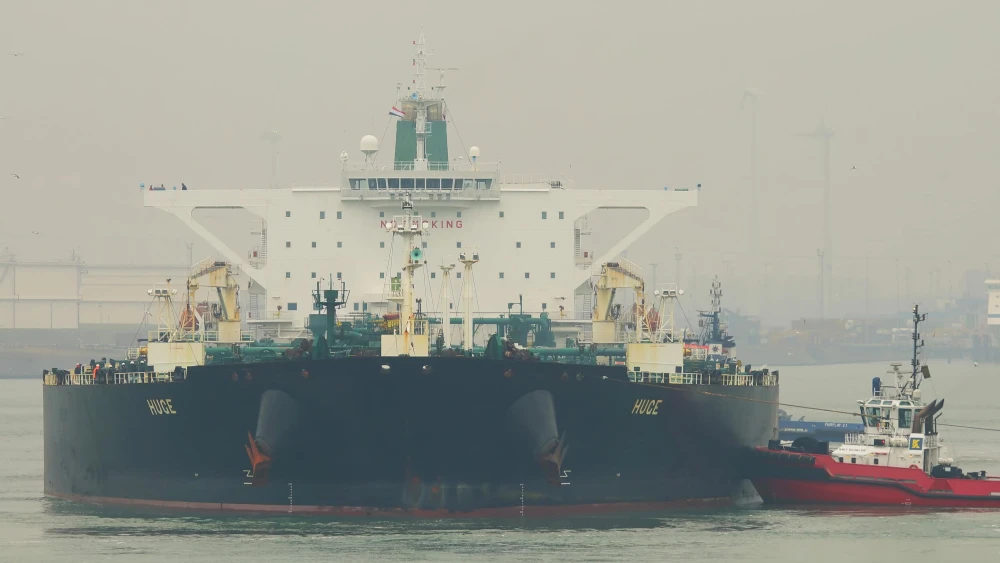
Wednesday’s sanctions targeted 10 companies based in the United Arab Emirates, as well as vessels flagged in Panama and Cameroon and ship managers located in the Marshall Islands and India.
The Treasury also announced the designation of Seyed Naiemaei Badroddin Moosavi, an Iranian national and Hezbollah financier, along with three companies allegedly involved in laundering proceeds from Iranian oil sales in exchange for Venezuelan gold. U.S. officials said the scheme, which happened under the previous Venezuelan regime of Nicolás Maduro, benefited both Hezbollah and Iran’s Islamic Revolutionary Guard Corps–Quds Force.
During a White House briefing on Wednesday, Bessent said the Treasury also sent warning letters to two Chinese banks suspected of helping Iran evade sanctions.
“I am not going to identify the banks, but we have told them that if we can prove Iranian funds are flowing through their accounts, we are prepared to impose secondary sanctions,” he said.