The Islamic Republic of Iran must rein in its terrorist proxies in Lebanon, U.S. President Donald Trump insisted on Sunday, without naming Hezbollah.
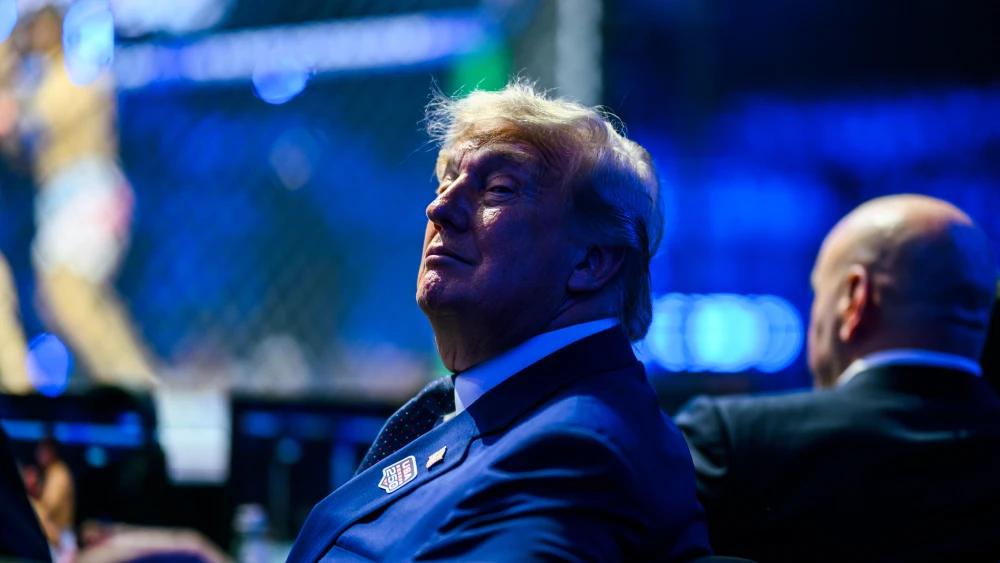
“Iran must immediately stop their highly paid PROXIES in Lebanon from causing trouble. If they don’t, we’ll hit Iran very hard again, just like we did last week, only harder,” U.S. President Donald Trump said in a Truth Social post on Sunday.
The Iranian-backed Hezbollah terrorist organization is a “malignant cancer,” U.S. Ambassador to Israel Mike Huckabee said earlier on Sunday, noting that the Shi’ite group had killed hundreds of Americans.
“The U.S. designates Hezbollah as a terror organization,” Huckabee wrote on X, calling the Iranian proxy a “common enemy of Lebanon & Israel.”
“They occupy civilian homes in Lebanon to store weapons & fire drones & rockets into civilian targets in Israel. Evil,” the envoy added.
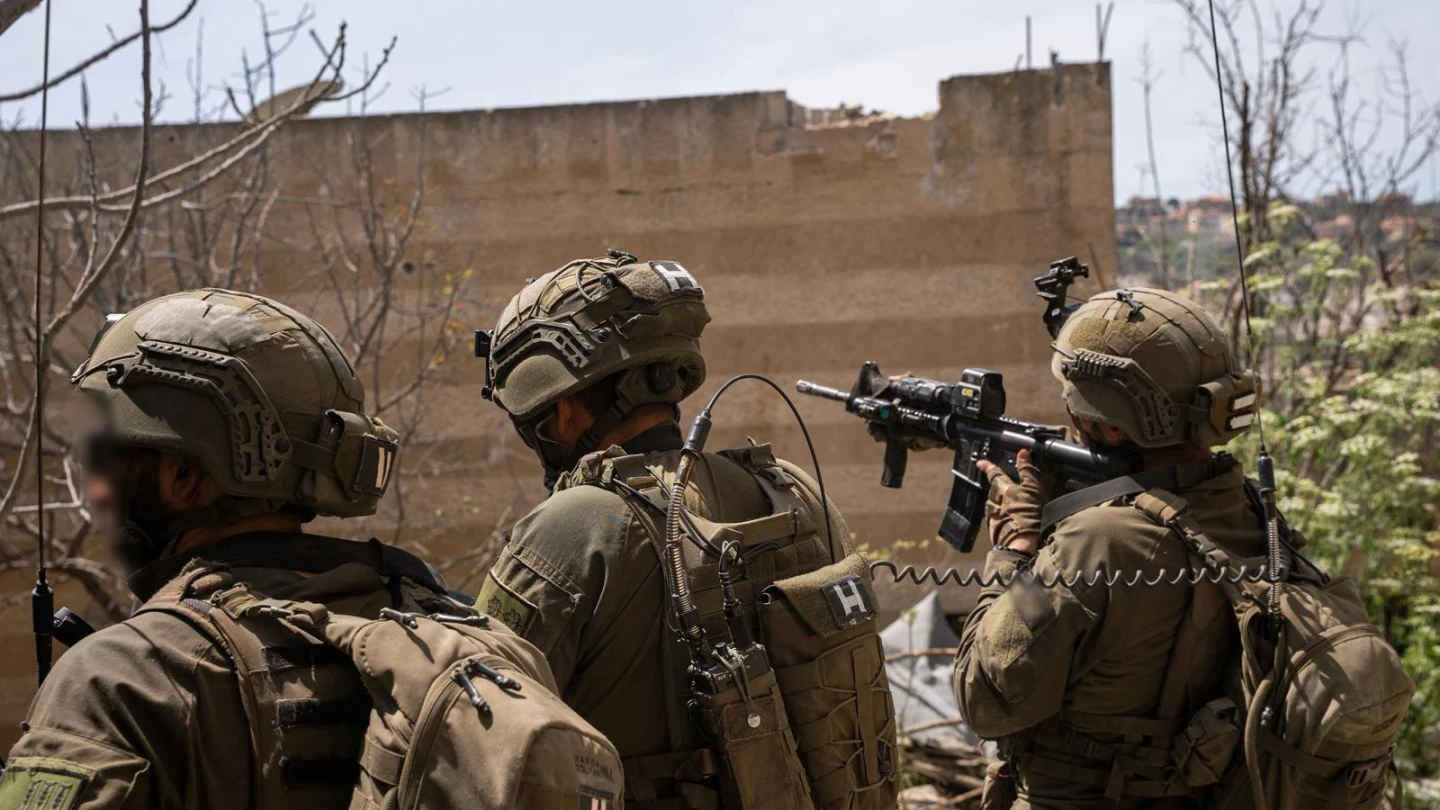
Huckabee was sharing a post by Yechiel Leiter, Israel’s ambassador to the United States, detailing the network of terrorist tunnels dug by Hezbollah in Lebanon’s Beaufort Ridge area.
“Imagine how long it takes to carve a tunnel network like this into a mountain,” Leiter tweeted. “Don’t be fooled—this is who Hezbollah is—terrorists occupying Lebanon at the behest of Iran in order to attack Israel.”
Hezbollah renewed its rocket and drone attacks on Israel on March 2, following the targeted killing of Iranian Supreme Leader Ali Khamenei on the first day of “Operation Roaring Lion” on Feb. 28.
Also on Sunday, Trump wrote that no tolls will be imposed on ships transiting the Strait of Hormuz during the ceasefire or afterward, even if a deal with Iran is not finalized, unless the United States decides to levy them.
“There will be NO TOLLS in the Strait of Hormuz for 60 days during the ceasefire period, and there will be NO TOLLS after the 60-day period has expired, unless they are imposed by and for the United States of America, should the deal not be completed, for services rendered as the guardian angel to the countries of the Middle East for purposes of past, present and future reimbursement of costs,” Trump wrote in a post on Truth Social.
The Memorandum of Understanding between Washington and Tehran states that Iran “will make arrangements using its best efforts for the safe passage of commercial vessels with no charge for 60 days only from the Persian Gulf to the Sea of Oman and vice versa,” according to U.S. officials who released the full text of the MoU on June 17.
Earlier reported versions of the text did not make clear whether Iran would be barred from imposing tolls or fees on vessels transiting the strategic waterway.
Commenting on the provision, a U.S. official said a subsequent clause requiring consultations with other Persian Gulf states would effectively preclude Iran from imposing tolls or fees on global energy shipments transiting the waterway.
Trump said on Friday that the U.S. had “fought very well with Israel, and we’ve had a great relationship with Israel.”
“And Bibi Netanyahu, he’s a warrior prime minister. And he should be acknowledged as that. They should give him credit. ... We really fought hard with Israel [against Iran],” the president added.