The U.N. Security Council met behind closed doors on March 27 to discuss a Bahraini draft resolution authorizing “all necessary means” to protect commercial shipping in the Strait of Hormuz. A follow-up meeting expected on Monday to advance discussions did not take place, according to a JNS source, though negotiations among council members are ongoing.
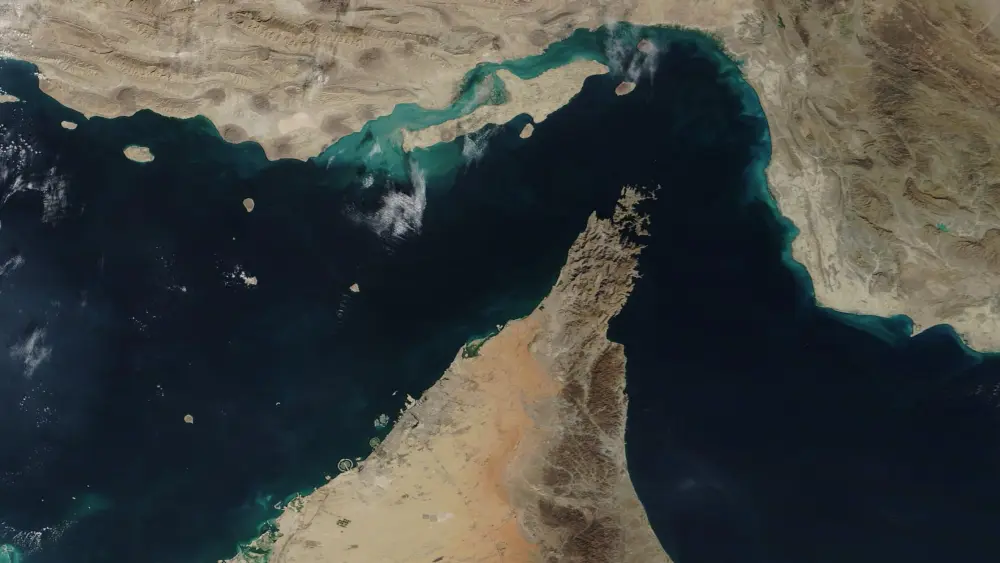
Iran has effectively shut down the strategic waterway amid its conflict with the United States and Israel, stepping up attacks on commercial vessels while allowing limited passage for ships from friendly countries. (JNS sought comment from the Israeli U.N. mission.)
The disruption has pushed global oil prices above $100 per barrel and rattled energy markets. Roughly 20% of the world’s oil and liquefied natural gas normally transits the strait, making it one of the most critical chokepoints in global trade.
The draft resolution, seen by JNS, calls on member states “acting nationally or through voluntary multinational naval partnerships” to use “all necessary means, commensurate with the circumstances,” to secure transit and deter efforts to block or interfere with navigation in and around the strait.
The United Arab Emirates has told Washington and allied governments it would join such a multinational maritime force and is lobbying other countries to participate, according to the Financial Times. However, many U.S. allies have been reluctant to commit while the conflict continues.
The UAE has faced more Iranian attacks than any other Middle East country during the crisis, including Israel.
Diplomats say the Bahraini initiative is backed by the United States and several Gulf states. Russia and China—both permanent council members with veto power and close ties to Tehran—oppose the current draft.
Bahrain is set to assume the rotating presidency of the Security Council in April, a position that could give it greater influence over the timing of any vote.
The draft was introduced under Chapter VII of the U.N. Charter, which allows the council to authorize binding measures, including sanctions and the use of force, to maintain or restore international peace and security.
It demands that Iran “immediately cease all attacks against merchant and commercial vessels” and halt any efforts to impede lawful transit through the strait. The text also raises the possibility of sanctions against those who undermine freedom of navigation.
France has circulated a competing draft that omits any reference to Iran and does not invoke Chapter VII authority, instead calling for de-escalation and a return to diplomacy.