A group of senior conservative Norwegian politicians, Christian leaders and prominent activists are gathering in Oslo on Friday, seeking to reset the Scandinavian nation’s troubled relations with Israel ahead of a critical election in Norway this fall.
The meeting comes as relations between the two nations plummeted to historic lows under the left-wing Labour Party government in Oslo, which became one of the Palestinians’ staunchest supporters in Europe last year in the wake of the 15-month long war against Hamas in Gaza triggered by the Oct. 7, 2023, Hamas-led massacre.
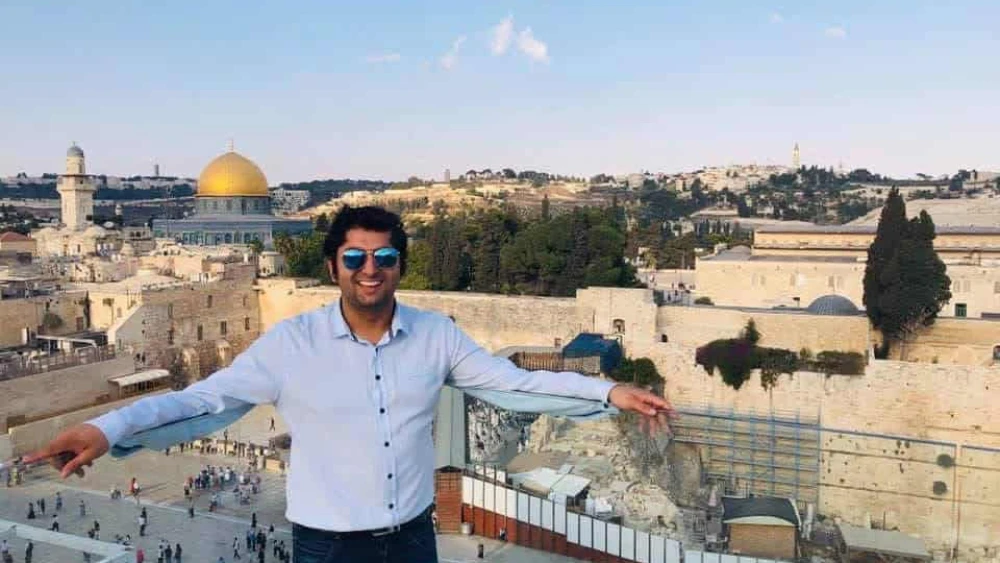
“I find it shameful that we have one of the most anti-Israel governments in Europe, which makes it difficult for Norway to be a constructive partner in the Middle East,” MP Himanshu Gulati, a member of the opposition Progress Party and chairman of the Israel Allies Caucus in the Norwegian Parliament, told JNS in an interview from Oslo.
“It is my firm belief that this will change after the elections in Norway in September, and that the new government will move away from its current disastrous policy toward Israel,” Gulati said.

From secret negotiations to historic nadir
The two day “Oslo Symposium” and the subsequent symbolic relaunch of the Israeli Allies Caucus in the parliament on Monday is taking place after a tumultuous year that saw bilateral ties hit a historic nadir after Norway joined Spain and Ireland in recognizing a Palestinian state last May, leading Israel to pull its ambassadors out of the three countries.
The feud with Oslo—an erstwhile ally that hosted the secret peace talks between Israelis and the PLO in the 1990s that led to the failed Oslo Accords—escalated further when Norway became the first European country to announce that it would arrest Israeli Prime Minister Netanyahu and former Defense Minister Gallant following the International Criminal Court’s issuance of warrants against them, and then joined South Africa in its International Court of Justice case against Israel.
Pushing back, Israel refused a visit by Norwegian Foreign Minister Espen Barth Eide and then revoked the diplomatic status of eight Norwegian diplomats who worked as representatives to the Palestinian Authority, stunning officials in Oslo, who have long been champions of the two-state solution.
A column by the former U.S. deputy national security advisor Elliott Abrams titled “Norway: From Mediator to Persecutor of Israel” and published by the New York-based Council on Foreign Relations last year lamented how “Norway’s previously balanced relationship with Israel had been replaced with sheer hostility” and Oslo had “joined the jackals” against Israel.
Fixing ‘broken ties’
“Despite the current anti-Israel stance of the Norwegian government, this year’s elections could prove to be a pivotal moment, an opportunity for a policy shift that could restore a strong and enduring friendship between Israel and Norway,” said Leo van Doesburg, Europe director of the Israel Allies Foundation, which spearheads faith-based diplomacy around the globe.
“The relationship between Israel and Norway is broken, and faith-based diplomacy is key to rebuilding it,” said Josh Reinstein, president of the Israel Allies Foundation. “The growing Christian support for Israel in Norway provides a strong foundation to push back against rising antisemitism and rebuild trust.”
Knesset member Shelly Tal Meron, a member of opposition leader Yair Lapid’s Yesh Atid Party, will address Friday’s gathering in Oslo. “Given the current state of relations between our nations, my visit symbolizes the potential for a positive change in these relations,” she said.
Whatever the results of the Sept. 8 election, the time when Norway served as an intermediary in the Israeli-Palestinian conflict is viewed by all sides as ancient history.
“The consequences of the Norwegian decision to change its longstanding policy of being on equally friendly to both sides has been a disaster,” Professor Hilde Henriksen Waage of the University of Oslo, who was acting director of the Peace Research Institute Oslo from 1992 to 1993, told JNS. “The old role of Norway in the Middle East is over.”