



They say that diplomacy is the art of the possible. That is why, despite the conventional wisdom that Israel-U.S. relations have reached a dead end, the two sides can still find a way to move forward. There are even precedents for that.
In 2010, then-President Barack Obama demanded an immediate 10-month freeze of settlement activity in Judea and Samaria. Despite the misgivings in Jerusalem and the political headache this caused for the coalition, Prime Minister Benjamin Netanyahu heeded that request, on the condition that there would not be an extension once the 10 months elapsed. Then, when that moment arrived, the administration did ask for the moratorium to continue for another three months, which put the government in a bind.
What followed was an intense period of negotiations between the White House and Israeli officials, which culminated with a compromise: Israel would agree in exchange for getting its first F-35 fighter jets at a discount.
It was thanks to these talks that we proved that through diplomacy, virtually everything is possible. This premise was once again validated in 2020, in the run-up to the Abraham Accords.
When the Israeli government said it would annex Area C in Judea and Samaria in coordination with President Donald Trump’s administration, this threatened to torpedo the normalization deals with the Gulf states that were in the works. The diplomats then entered the fray and offered a way out: In exchange for ditching the annexation plan, Israel would get to establish diplomatic ties with the United Arab Emirates and then with Bahrain, Sudan and Morocco. This deal allowed the prime minister to explain to the pro-annexation camp that “we may have made a painful concession, but in return, we got something that is a strategic and financial game-changer.”
The question now is this: Is there something the prime minister would be willing to accept in exchange for giving up—even partially—on the current coalition’s judicial reform push?
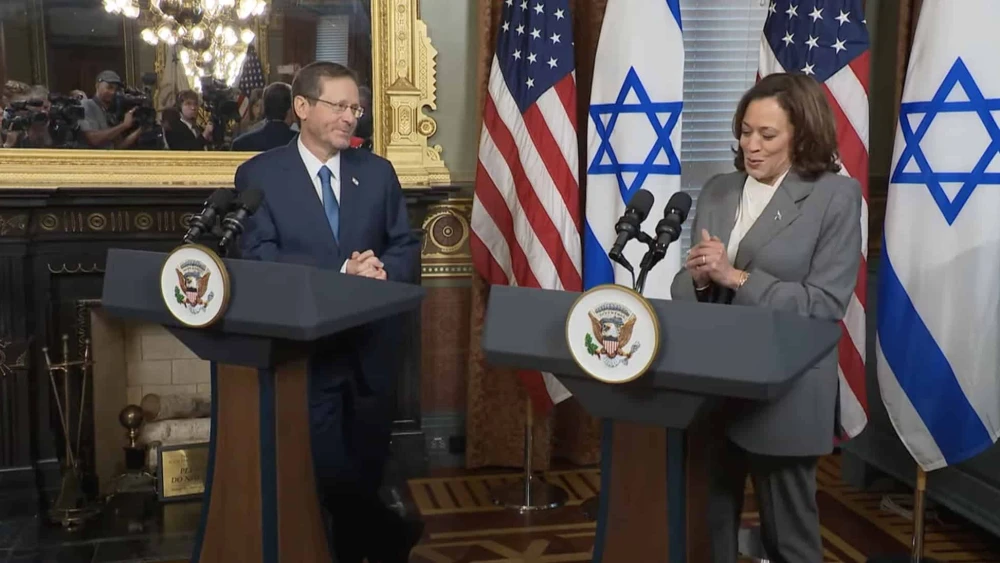
President Isaac Herzog could raise several options in Washington this week. One of them, for example, is having Israel finally admitted to the U.S. Visa Waiver Program by removing the reported roadblocks recently placed by the administration. Another option is to garner a U.S. pledge to bolster Israel’s strategic capabilities when it comes to countering Iran’s nuclear threat. A third option is to have the White House accommodate Saudi Arabia’s conditions for normalization with Israel by delivering weapon systems.
Diplomacy may make things possible, but it is no magic wand. Even if the Americans offer something worthy, it might not be enough to deliver the support of Netanyahu’s coalition members. Nevertheless, Herzog can try and see what he gets, as moving forward in the relationship is of paramount importance both morally and security-wise.
Originally published by Israel Hayom.


