
If there had not been ordinary Israelis on vacation aboard that plane, with their determined and well-organized will to survive, the world today might have been facing a new 9/11 in Tel Aviv: an aircraft used as a jihadist weapon smashed into the ground with its 174 passengers—men, women and children—most of them Israelis.
The plane plunged 17,000 meters and continued losing altitude 350 kilometers from the Israeli border, very close to what was probably the intended target of the Omani co-pilot. According to some accounts, he shouted Allahu Akbar, the cry of the shahid, and stabbed the captain shortly before setting his plan for a mass-suicide terrorist attack in motion.
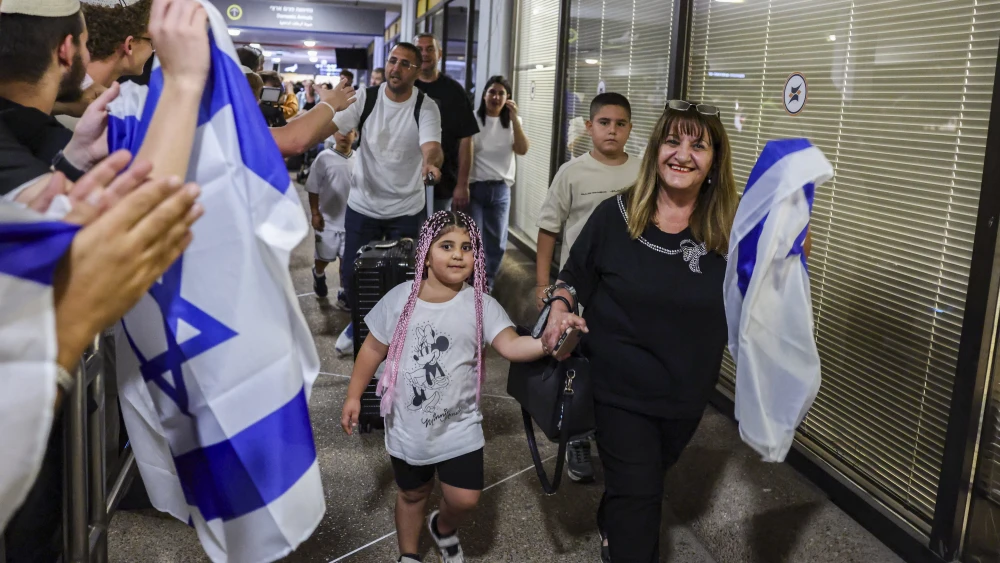
It may be the first time in the history of aircraft hijackings that one has been thwarted by the passengers themselves, with the courageous help of the Emirati cabin crew.
Crucially, another flight crew was aboard the aircraft as part of a routine crew arrangement. After the captain was seriously wounded, two pilots from that crew entered the cockpit, took control of the aircraft and flew it to safety.
The tail of the aircraft was damaged during the violent jolts, and sheer luck prevented the plane from breaking apart.
During the terrifying roller-coaster ride, a handful of heroes—whom we now see in photographs and videos covered in blood—neutralized the terrorist and tended to the seriously wounded captain.
Every Israeli knows to watch his back and to react when necessary, whether in the field or in the difficult circumstances of everyday life.
The jungle of baggage and document checks, the labyrinth travelers have faced at airports around the world since 1972, originated with the Lod Airport massacre, in which 26 people were killed.
It is difficult to prevent mass-suicide terrorism conceived by an ultrareligious or disturbed mind. There was the EgyptAir flight whose co-pilot deliberately plunged the aircraft into the Atlantic with 217 people aboard in 1999, according to U.S. investigators, repeatedly saying, “I rely on God.”
There have been many other cases of madness or fanaticism, including Germanwings co-pilot Andreas Lubitz, who deliberately crashed an Airbus into the French Alps in 2015, killing all 150 people aboard. And in 2014, Malaysia Airlines Flight 370 disappeared with 239 people aboard.
Israeli Prime Minister Benjamin Netanyahu had warned—while being criticized, as usual, by the opposition—of the possibility of unusual acts of aggression during these days.
Unfortunately, the backdrop is now twofold.
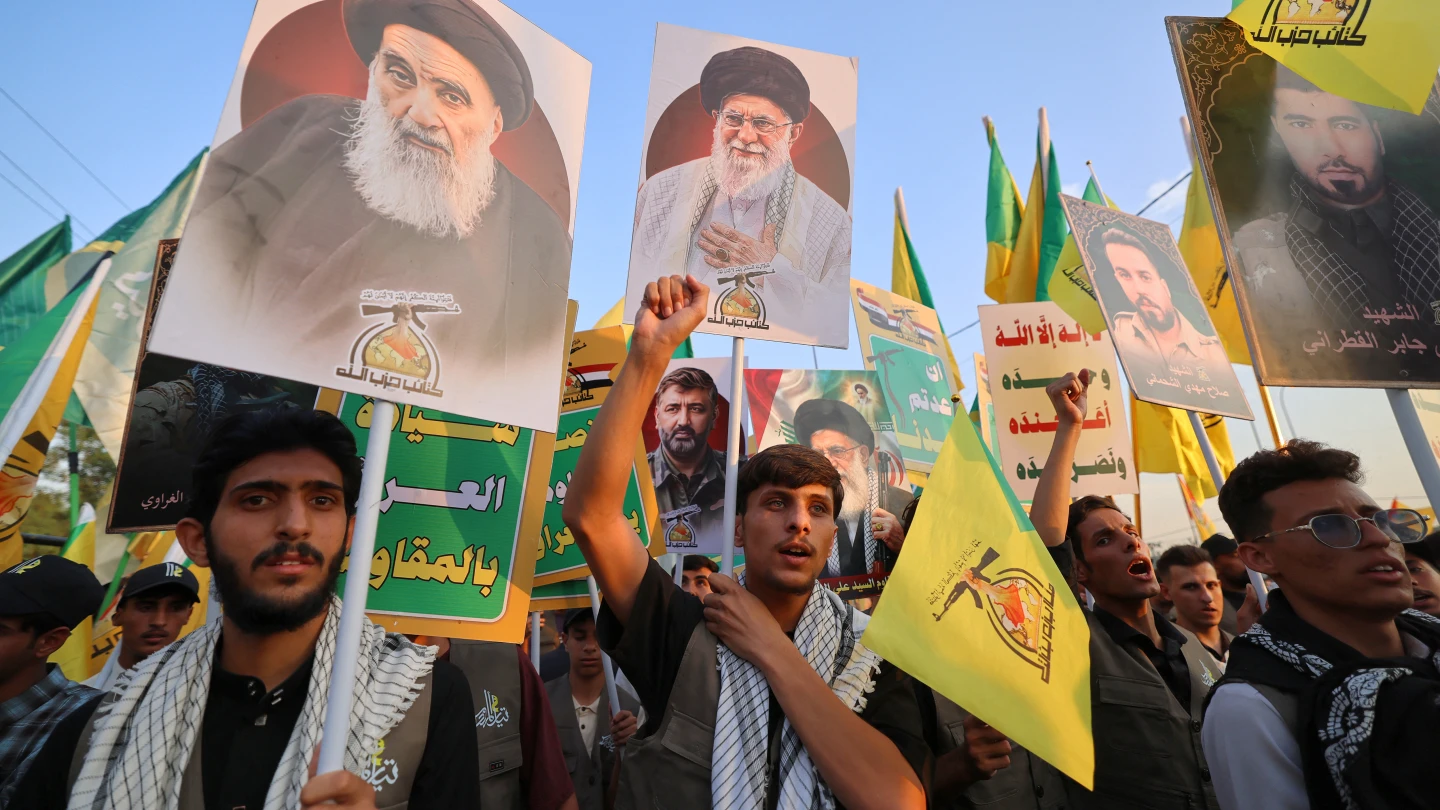
On the one hand, there are warnings of possible attacks against Jews and Israelis traveling abroad during the Sukkot holiday. Iran continually threatens to strike Israelis and Jews around the world, and the Islamic Revolutionary Guard Corps has reinforced that message in recent days.
And now, amid rampant antisemitism, there is also the unpredictability of radicalized individuals who believe that attacking Jews is an act of political or religious purity, or even of justice.
Israel is on alert. Saudi Arabia, where the Israeli survivors waited yesterday to be allowed to board a flight, did not permit the use of Israeli aircraft and is holding those responsible for the incident.
Perhaps it is only symbolic, but Oman, the alleged terrorist’s country of origin, has had an alliance agreement with Iran since Aug. 18, and Iran maintains antennas and outposts there to monitor the exit from the Gulf.
The captain who was attacked, by contrast, is a citizen of a friendly Arab country that is part of the Abraham Accords.
Anyone can fly a plane, enter and leave. The skies are uncontrolled and dangerous, and not only for Israel.
The jihadist target is the entire West, and airports offer a wide range of choices.
Mohamed Atta, one of the planners and perpetrators of the Sept. 11 attacks, was a handsome young man who had lived and studied in Germany.
The Houthis, Hamas, Al-Qaeda, the Muslim Brotherhood, and Qatari and Turkish influences are filling the skies with clouds.