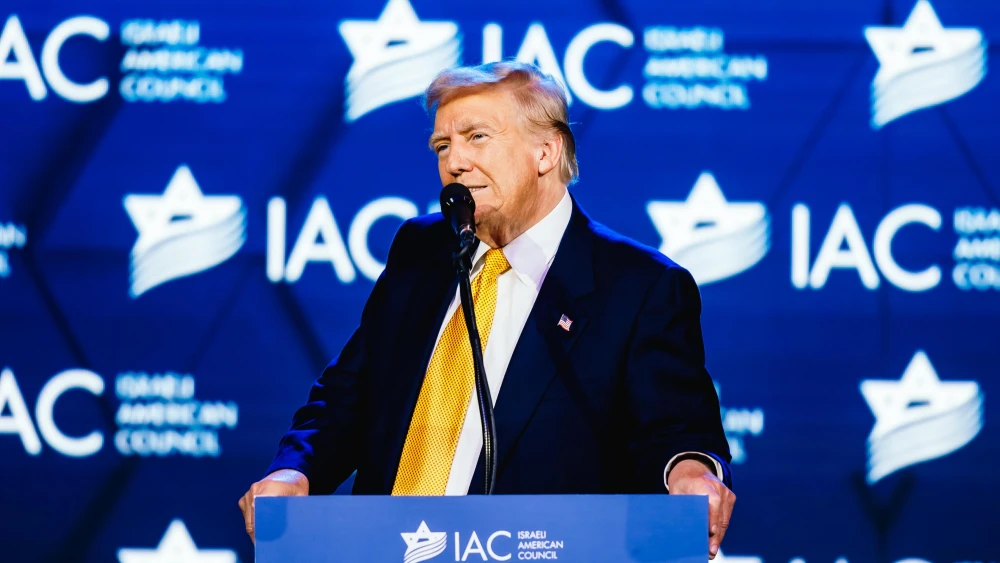
In a strategic outreach to Arab and Muslim voters, former President Donald Trump has promised to restore stability in Lebanon and the Mideast, while criticizing the current administration’s regional policies during campaign stops targeting Muslim communities in Michigan.
Trump recently addressed Lebanese-Americans, stating: “Your friends and family in Lebanon deserve to live in peace, prosperity and harmony with their neighbors, and this can only happen when there is peace and stability in the Middle East.”
Taking to X, Trump launched a critique of President Joe Biden and Vice President Kamala Harris: “During my administration, there was peace in the Middle East, and it will return very soon! We will fix the problems caused by Kamala Harris and Joe Biden and stop the suffering and destruction in Lebanon. I want to see the Middle East return to real peace, a lasting peace.”
During my Administration, we had peace in the Middle East, and we will have peace again very soon! I will fix the problems caused by Kamala Harris and Joe Biden and stop the suffering and destruction in Lebanon. I want to see the Middle East return to real peace, a lasting peace,…
— Donald J. Trump (@realDonaldTrump) October 30, 2024
The Trump campaign has intensified its outreach to Muslim voters in Michigan, capitalizing on growing dissatisfaction with the Biden administration’s support for Israel during the current conflict in Gaza.
During a Saturday campaign event in Novi, Mich., Trump shared his stage with prominent Muslim community leaders, telling supporters: “They can decide the election.”
In a significant endorsement, Imam Belal Al-Zuhairi praised Trump as “the peace candidate” and highlighted his pledge to “ending American involvement in endless wars.”
Originally published by Israel Hayom.