U.S. Foreign Policy
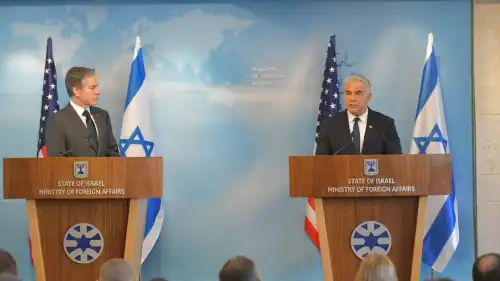
United States and Israel “see eye to eye” on Iran, says U.S. Secretary of State Antony Blinken • Lapid: America and Israel “have disagreements” on Iran, but “open and honest dialogue is part of the strength of our friendship.”

It’s hard to envision an agreement that would give Russian President Vladimir Putin a win and at the same time satisfy Ukraine, said Steven Horrell, a nonresident senior fellow at the Washington, D.C.-based Center for European Policy Analysis.
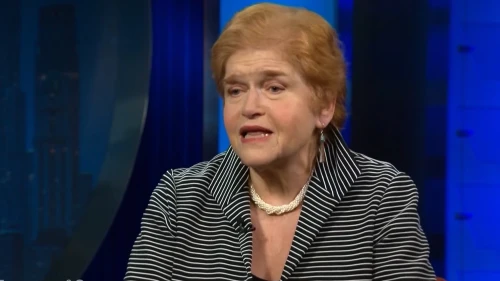
It was scheduled at the same time as the third day of confirmation hearings for U.S. Supreme Court nominee Ketanji Brown Jackson.

“Israel is committed to building a good partnership with anyone against the radical axis of Iran,” says Israeli Deputy Foreign Minister Idan Roll.

Brig. Gen. (res.) Yossi Kuperwasser says Israel should move to pressure Biden administration in time left before signing • Addressing Russia’s war, Kuperwasser declares Jerusalem “naturally stands with Ukraine and the West.”

The IRGC was designated a Foreign Terrorist Organization (FTO) by the Trump administration in 2019, becoming the first state-affiliated organization to be included on the list.

“There will be no connection between developments in Ukraine and the Vienna talks,” said Iranian Foreign Minister Hossein Amirabdollahian.
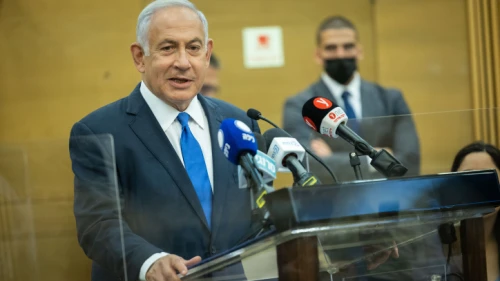
The new deal is “worse than its predecessor” the JCPOA and will see Iran become a nuclear threshold state in three years’ time, says former Israeli Prime Minister Benjamin Netanyahu.
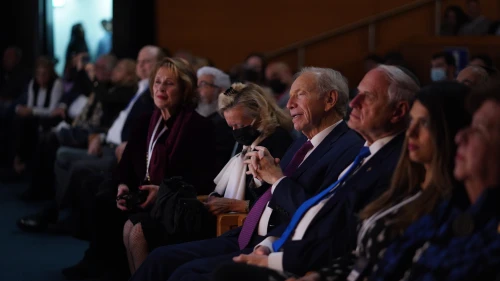
“The Russian invasion of Ukraine should remind us that there are nations you simply cannot trust,” the former Connecticut senator tells JNS.
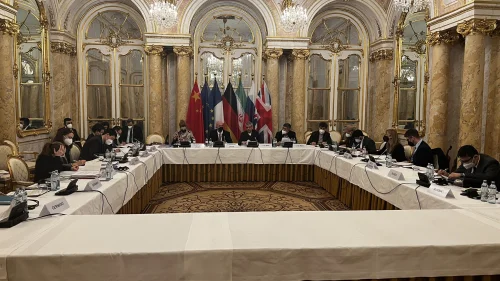
U.S. State Department spokesperson Ned Price had said that a new agreement was “close,” adding that “it’s really down to a very small number of outstanding issues.”

They write: “As the State Department has often noted in reference to a nuclear agreement with Iran, ‘nothing is agreed until everything is agreed.’ We hope that no agreement is finalized without additionally addressing these concerns.”
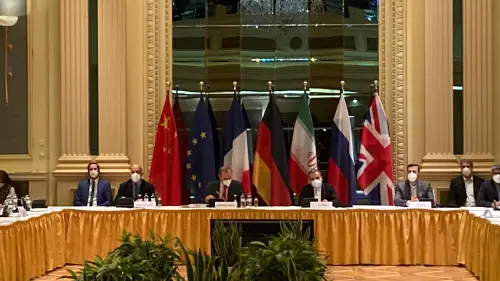
A watered-down agreement would not hold Iran accountable for its malicious actions and support of terrorism throughout the Middle East and or its ongoing development of ballistic missiles, say think-tank experts on a recent Zoom call.