Israeli Diaspora Affairs Minister Nachman Shai warned on Tuesday that a crisis in Israel-Diaspora relations was looming over the ongoing shutdown of air traffic due to the pandemic. Shai called on Prime Minister Naftali Bennett to resolve the issue.
“We have the means to maintain the public’s health even without closing the country’s borders to world Jews. It is time to also consider the overall damage that may be caused to our relationship with Diaspora Jewry,” he said.
Israel closed its borders to foreign nationals on Nov. 28, in an attempt to halt the spread of the Omicron COVID-19 variant. The decision drew criticism from Diaspora communities.
Jewish leaders from across the U.S. political spectrum told Israel Hayom that the state must find an arrangement that will reflect the fact Israel is the Jewish state, and allow them to visit the country even with the skies closed due to global pandemic.
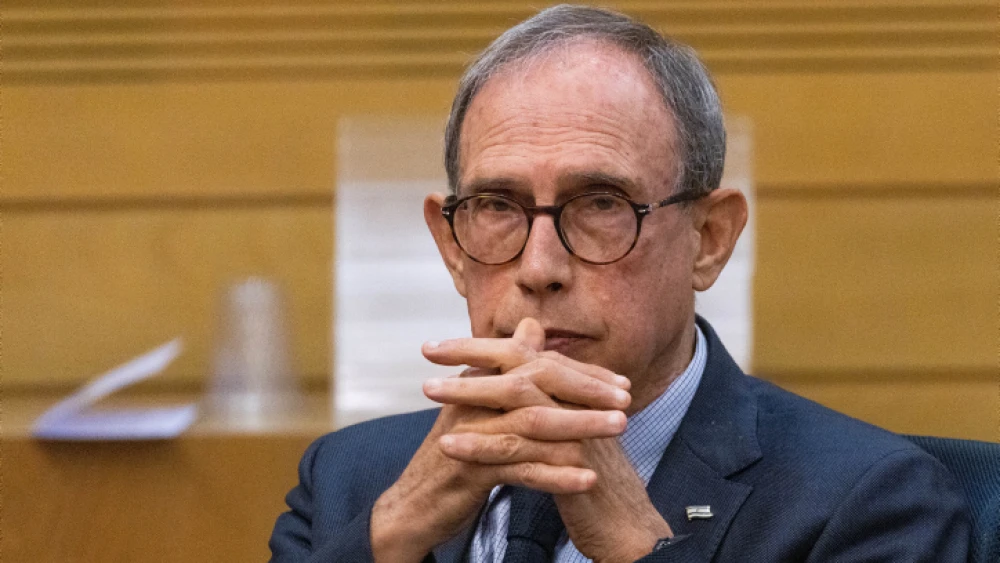
Director-General of the Population and Immigration Authority Tomer Moskowitz told the Knesset Constitution, Law and Justice Committee on Tuesday that the state was delaying on the issue, due to the highly sensitive political and legal aspects involved. He stressed that the matter was under constant review, the next one due in two weeks. In a recent conversation with the heads of the Jewish federations in the United States, Bennett promised to find a solution to the issue. In a letter to Eric D. Fingerhut, the president and CEO of the Jewish Federations of North America, Bennett wrote that he regretted “any grief caused to the members of the community, who are a precious asset to the global Jewish family we are all part of.”
The connection between Israel and the global Jewish community, wrote Bennett, “is a fundamental value in Israel.”
“We understand the importance of visits to Israel by North American Jewry, and we are also aware of the thousands of civilians who planned to visit their families, hold bar mitzvah events, weddings and more, and for them, the step taken [suspending air travel] was a severe blow,” he continued.
Meanwhile, the World Zionist Organization announced on Tuesday that it would lobby for an “open sky” policy for Diaspora Jews, despite the travel restrictions imposed by the government, citing the damage the travel ban was inflicting on Israel’s ties to world Jewry.
WZO Chairman Yaakov Hagoel said, “Many Jews have family and property in Israel, and they cannot visit the country just because they have a foreign passport.”
He called on the government to adopt WZO’s plan to open the skies for Diaspora Jews whose connection to Israel is clear.
Hanan Greenwood contributed to this report.
This is an edited version of an article that first appeared in Israel Hayom.