As antisemitism continues to rise across the United States and increasingly affects college campuses, the Ruderman Family Foundation and Project Shema have announced a new partnership to address the mental health impacts of antisemitism on Jewish students and the broader campus community. Throughout the 2026-27 academic year, the initiative will engage up to 25 colleges and universities across the country, strengthening institutional understanding of antisemitism, improving cultural competency and fostering more inclusive campus environments.
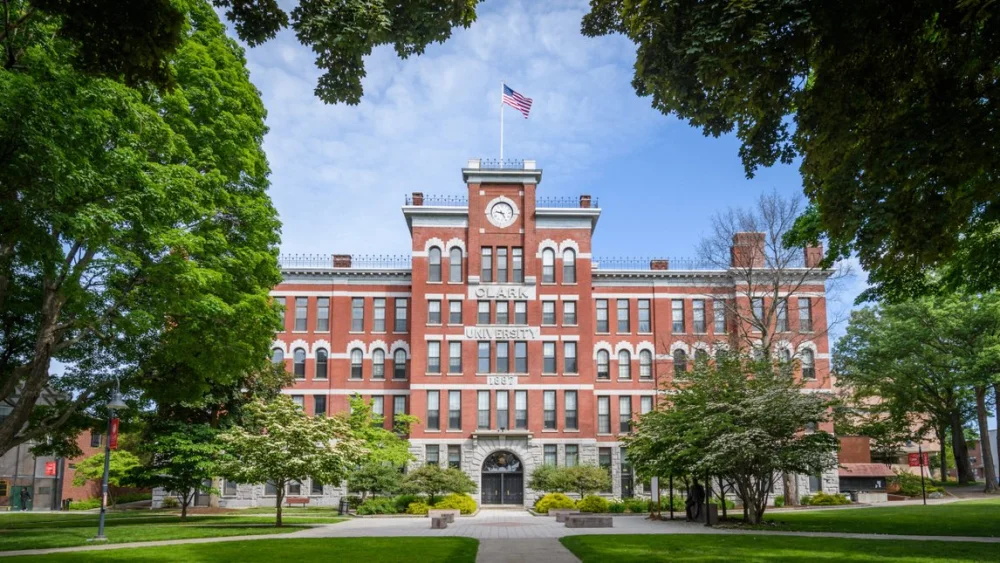
The Clark University psychology department is among the first programs participating in the initiative, which will work with institutions that train future psychologists, social workers and counselors. Through partnerships with administrators, counseling center staff and program leaders, the initiative will integrate contemporary antisemitism education into programs that prepare future mental health professionals. By combining Project Shema’s expertise in antisemitism education with the Ruderman Family Foundation’s work in mental health, the partnership aims to help institutions better understand the mental health impacts of antisemitism across the campus community, strengthen cultural competency and better support Jewish students.
The partnership comes amid a sustained rise in antisemitic incidents on college campuses throughout the United States. A 2026 study from Brandeis University found that nearly half (47%) of Jewish college students surveyed had experienced some form of prejudice on campus because of their Jewish identity, while 37% felt their campus was hostile to Jews. The study drew on a national sample representing more than 300 colleges and universities. Against this backdrop, the partnership seeks to help colleges and universities better recognize contemporary forms of antisemitism and understand the mental health impacts of antisemitism across the campus community.
“Antisemitism doesn’t just affect Jewish students’ sense of belonging. It can have a profound impact on their mental health and well-being,” said Jay Ruderman, president of the Ruderman Family Foundation. “Addressing that impact requires collaboration, education and a commitment to building more inclusive campus communities. This partnership brings together unique expertise to help colleges better support Jewish students and foster environments where every student feels safe, included and understood.”
Through the initiative, Project Shema is working with participating colleges to deliver educational programming tailored to the institutions and programs that prepare future mental health professionals. The training incorporates mental health content developed in collaboration with Miri Bar-Halpern, Ph.D., along with additional educational resources institutions can use to reinforce it. Together, the organizations will integrate mental health expertise into Project Shema’s contemporary antisemitism training, helping colleges strengthen cultural competency, better understand the mental-health impacts of antisemitism and foster more inclusive campus environments.
“Jewish students are navigating complex identities and forms of harm that are often misunderstood, particularly in conversations around Israel and Palestine,” said Kara A. Wilson, chief strategy officer at Project Shema. “This partnership will equip future mental health professionals and the learning institutions that prepare them to recognize antisemitism with greater nuance and respond with care. Ultimately, it’s about fostering learning environments where Jewish students can fully engage and thrive without having to flatten or defend their identities.”
Central to the initiative is Project Shema’s research-based approach to contemporary antisemitism education. Through facilitated dialogue and educational programming, the organization helps participants better understand Jewish identity, recognize anti-Jewish bias, challenge harmful narratives and develop the skills needed to foster Jewish inclusion within pluralistic institutions and communities.
That expertise will be paired with the Ruderman Family Foundation’s work to end the stigma associated with mental health, including identifying gaps in mental health resources and programming within high school and higher education communities. Together with the Foundation’s work within the American Jewish community, the organizations bring expertise to an initiative at the intersection of mental health, antisemitism and Jewish inclusion.