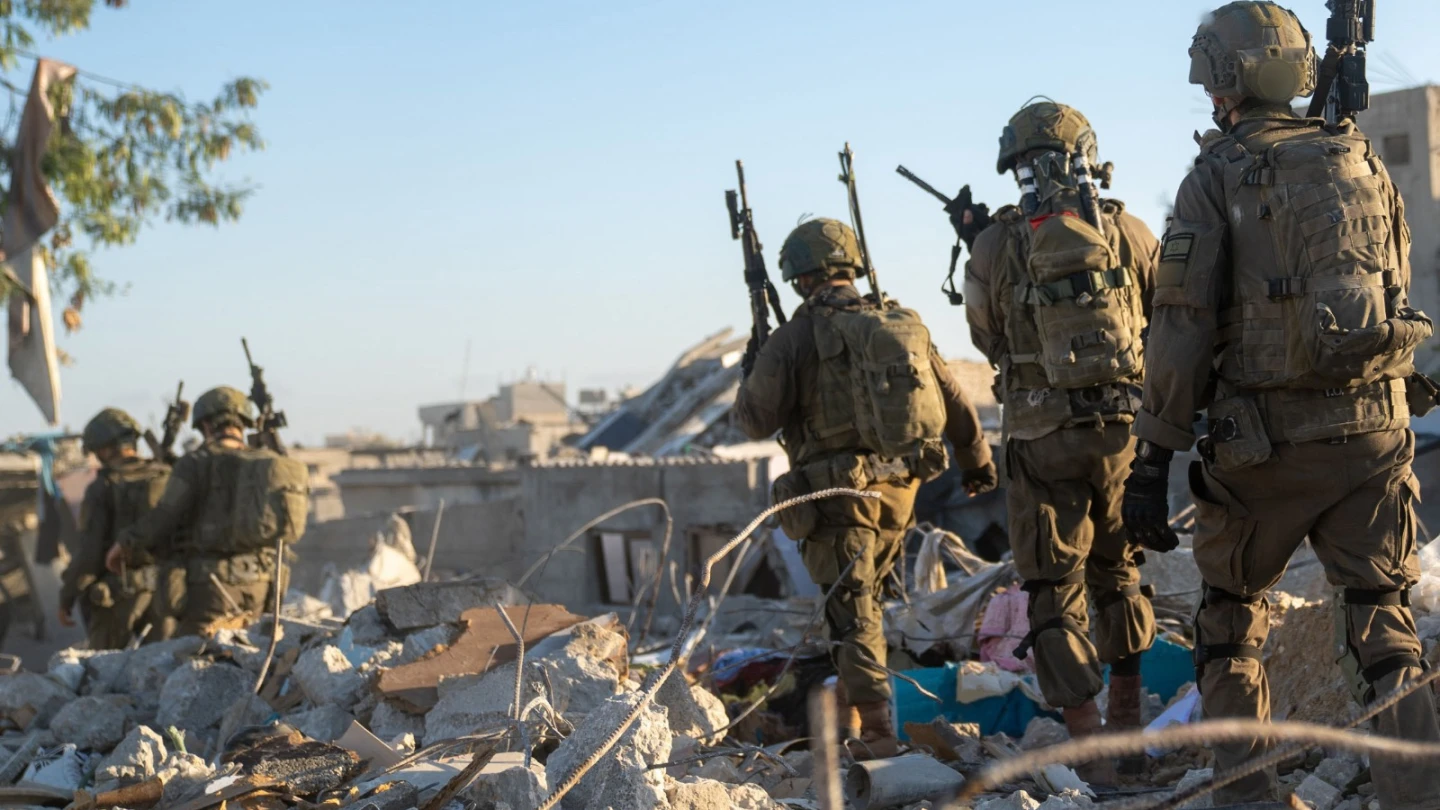

The last night in Gush Katif, August 14, 2005, was black, humid, stunned—a night that felt wrong. I was there, covering the disengagement with my colleague, Shlomo Blass. A few hours earlier, I had breathed the fresh air at Kibbutz Nir Oz, just outside Gaza—a community that, on October 7, 2023, would become one of Hamas’s slaughterhouses.
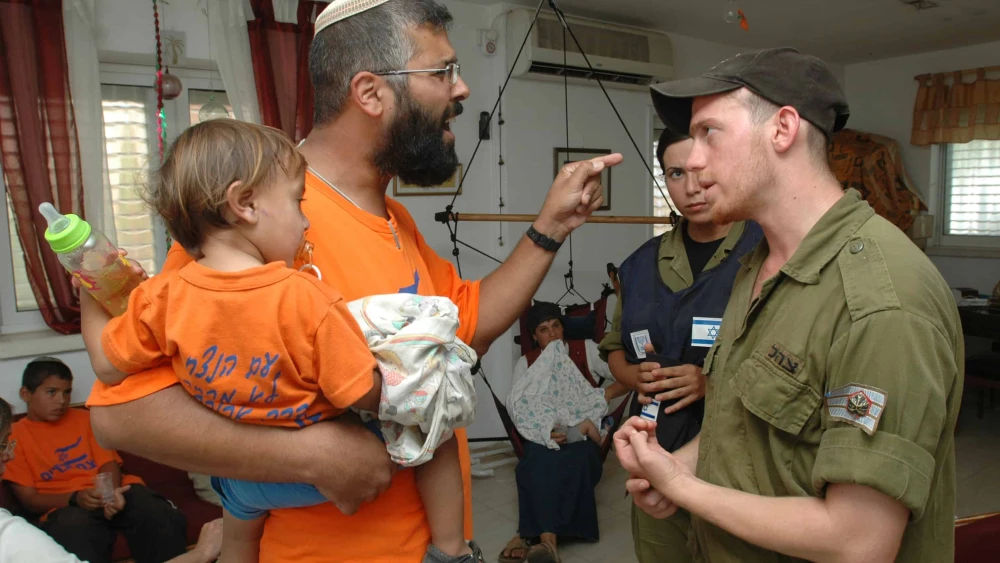
That night, the Kissufim checkpoint was shut to Jews. At midnight, 50,000 soldiers and police began evacuating 8,000 desperate Israelis. Orange ribbons—the symbol of resistance to the withdrawal—fluttered from cars, trees, and lampposts.
Three thousand young supporters had come to “reinforce” the settlers but ended up being dragged down from rooftops by soldiers trained to resist tears, screams, and even physical confrontation. Sharon had ordered the evacuation, and many in Gush Katif fasted like on Tisha B’Av, mourning the destruction of Jerusalem in 70 CE.
Ariel Sharon was no dove. He had stopped the Egyptians in 1973, crushed the Second Intifada and sent tanks into terror strongholds during Operation Defensive Shield. But he carried the weight of the Sabra and Shatila accusations, and perhaps, seeking to reshape his legacy alongside U.S. President George W. Bush’s “war on terror,” he gambled on peace by withdrawing from Gaza. Benjamin Netanyahu abstained from supporting the plan.
We all know what happened next. Even before the last trucks left, Hamas was advancing. Mahmoud Abbas’s men were soon murdered and thrown from rooftops. In Morag, Jewish youth clung to rooftops armed only with green branches. Mothers screamed, “A Jew does not deport a Jew.”
In Neve Dekalim, a mother handed her baby to soldiers—“Here is my whole life, take her.” Others pleaded with teenage conscripts, “You are my brother; don’t touch me.” There was resistance, but also obedience—a miracle of democratic decency.
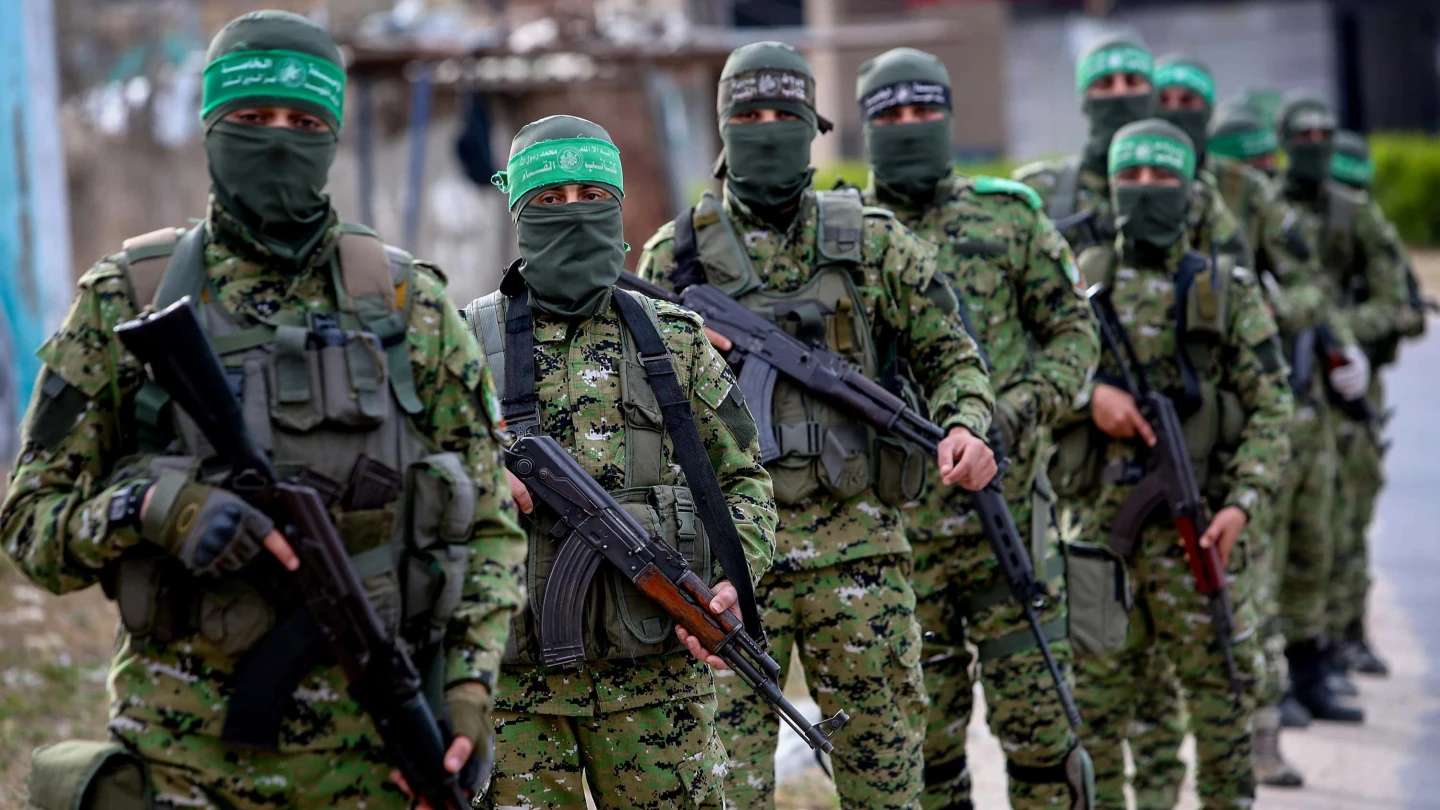
The world barely noticed that this “peace move” immediately unleashed chaos. Greenhouses and synagogues were smashed, looted, and destroyed. Missiles began falling on the Israeli coast before the disengagement was even complete. Hamas wasted no time transforming Gaza into a fortified base, with tunnels and stockpiles of weapons—all funded by “humanitarian aid.”
I remember my friend, Palestinian journalist Khaled Abu Toameh, showing me poems from that summer’s Palestinian poetry competition: “Rise, Arab soldier, the land needs your knights!” wrote one. Another proclaimed, “Oh Hamas, liberate Jerusalem with the strength of your soldiers and rockets.” Not a single verse spoke of peace.
From the moment Israel handed Gaza to its sworn enemies, the trajectory was inevitable. Eighteen years later, on Oct. 7, we witnessed the harvest: mass slaughter, kidnappings, rapes and atrocities committed by the very forces that filled the vacuum left by Israel’s withdrawal.
The 2005 disengagement was born of an illusion—that if Israel sacrifices land and uproots its own people, the world will reward it and its enemies will relent. Instead, it delivered a terror statelet, war without end and the blood-soaked fields of Nir Oz.
History will not forgive the blindness that mistook surrender for peace.