
The growing visibility of criticism within the Shi’ite community is one of the most explicit political shifts in recent Lebanese domestic dynamics. However, assessing whether this represents a structural “crack in the wall” or a temporary wave of grief and frustration requires a close look at what is changing and what remains firmly intact.
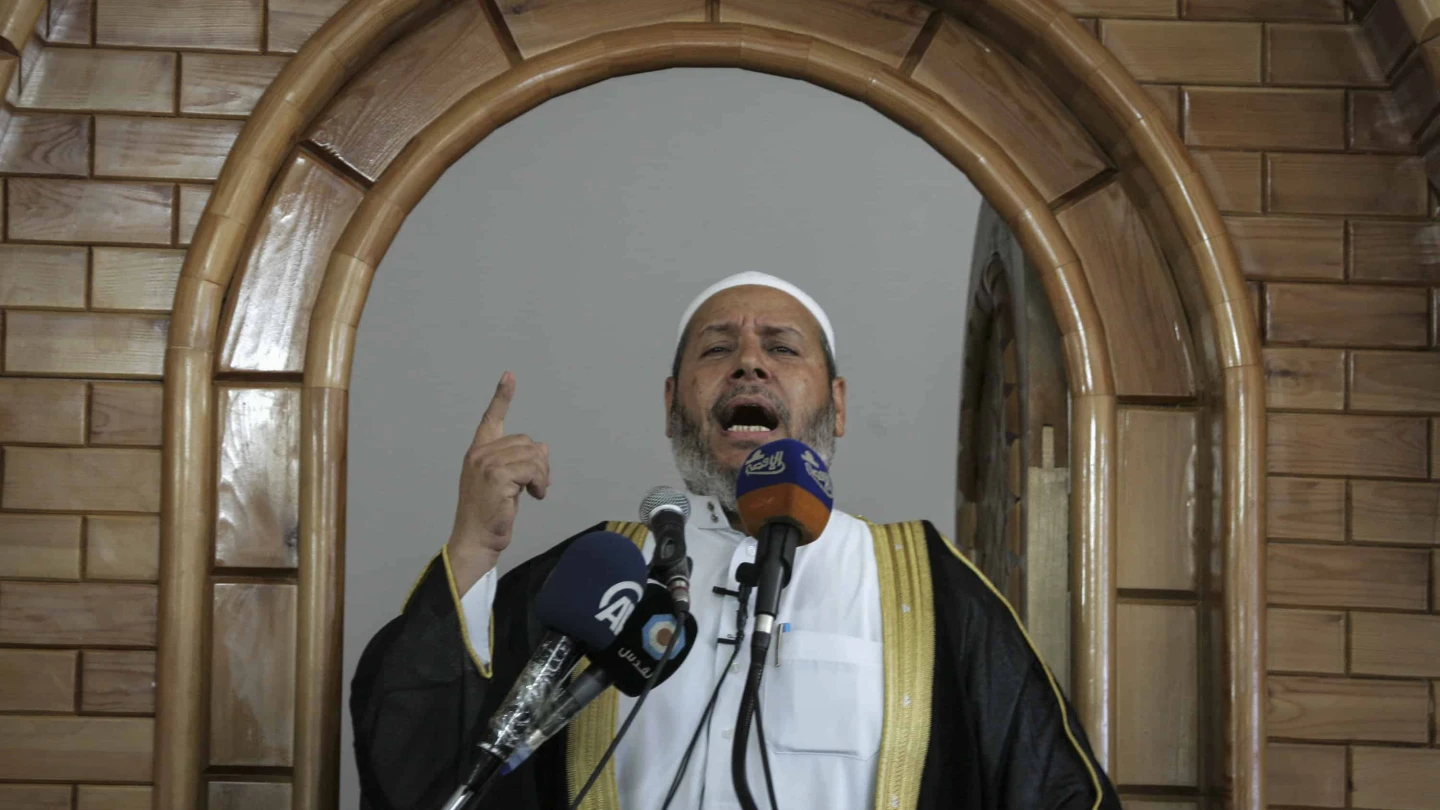
For decades, public criticism of Hezbollah within the Shi’ite community was largely limited to prominent independent figures, journalists or anti-establishment activists (such as outspoken Shi’ite publisher Lokman Slim, who paid with his life for facing Hezbollah). Today, senior Shi’ite cleric Subhi al-Tufayli, who helped found the terrorist militia, is a vocal critic of Iran and the current Hezbollah leadership.
What is happening now is a shift from ideological critique to direct, survival-driven grievances. Viral social media accounts, community activists and ordinary displaced civilians in Southern Lebanon and Dahieh have voiced frustration over the fallout of the confrontation with Israel. Questions such as “Where is Iran?” or “What was all this destruction for?” reflect deep anger over the heavy toll paid by the Shi’ite population without a clear strategic outcome.
Following the loss of key military installations such as the underground complex at Ali al-Taher and the decapitation of Hezbollah’s leadership by Israel, Hezbollah has struggled to maintain its traditional framing of “victory through steadfastness.”
The contrast between Iranian restraint and the devastation suffered by Shi’ite towns in the south has left a narrative vacuum that the group’s media apparatus has found hard to fill.
Historically, Hezbollah has maintained its dominance not only through arms, but through its vast network of social services, reconstruction funds and financial payouts. With its leadership disrupted, supply lines suppressed and Iranian financial flows constrained, its capacity to compensate families for lost homes and livelihoods has been significantly compromised.
Despite these cracks, political analysts caution against assuming that Hezbollah’s grip on the Lebanese Shi’ite community is collapsing. The Shi’ite community’s support for Hezbollah has long been tied to sectarian anxiety, the fear that without a strong-armed protector, the community would be marginalized or targeted by rival domestic sects.
Even among Shi’ites critical of Hezbollah’s strategic choices or ties to Iran, a vast majority remains opposed to the outright disarmament of the group. Moreover, opposition voices remain fragmented. No organized, rival Shi’ite political party can challenge the Hezbollah-Amal duopoly in parliament or offer a viable alternative framework for community security and governance.
Much of the current outcry stems from displacement, economic ruin and physical exhaustion rather than an ideological shift toward political liberalism or state-centric integration. In many cases, community anger alternates between Hezbollah and the Lebanese state for failing to provide relief or protection.
One of the most intriguing issues in Hezbollah’s actions within the Lebanese body politic is how it manages political exposure. Hezbollah’s decision to avoid pulling its ministers from the Cabinet or casting a no-confidence vote reveals a strategy to preserve its remaining political leverage while managing severe organizational strain.
While a resignation or a direct “no” vote might traditionally signify strong opposition, Hezbollah’s strategic calculus drove it to walk out of the chamber instead.
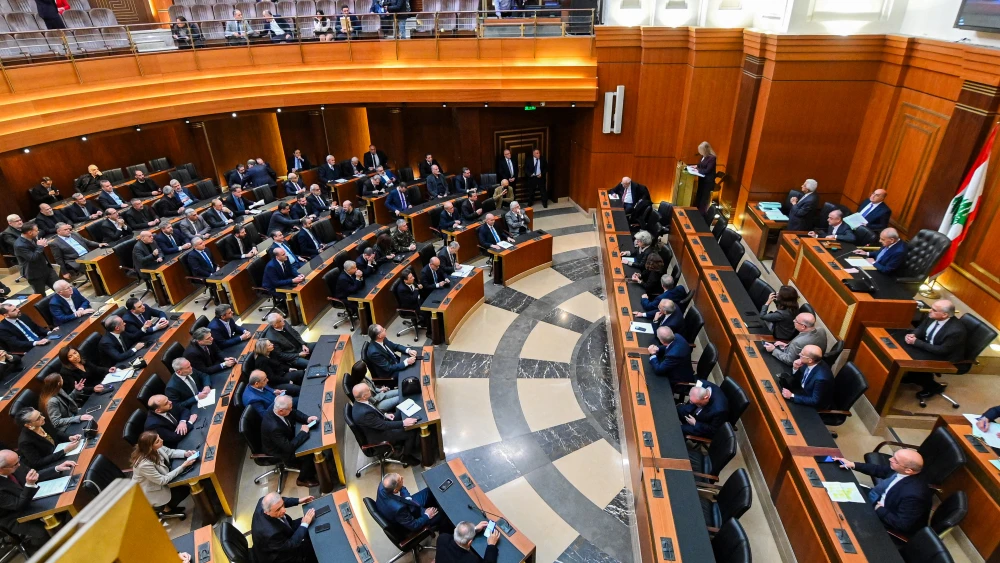
During a recent no-confidence motion against the government, Hezbollah’s “Loyalty to the Resistance” bloc walked out of the parliamentary chamber rather than stay and vote. Had Hezbollah voted against the government and lost by an overwhelming margin (with the government comfortably securing its confidence vote regardless), it would have provided numerical proof that Hezbollah no longer holds veto power over parliamentary politics.
While these latest developments show that Hezbollah’s wall is cracking and it can no longer claim unanimous, uncritical devotion from its base, the group still retains deep institutional and security dominance in Lebanon.
The current environment reflects a loss of aura and narrative control, but whether it becomes a permanent political realignment depends on whether an organized Shi’ite alternative emerges and whether the Lebanese state can offer real security and economic alternatives to a displaced population.
In short, Hezbollah’s political actions no longer aim to dictate terms to the Lebanese government; instead, they seem directed at hedging against total exclusion.
Staying within state institutions, even while walking out of specific votes, allows the group to maintain a grip on governance while absorbing severe external and domestic losses.
Originally published by the Jerusalem Center for Security and Foreign Affairs.