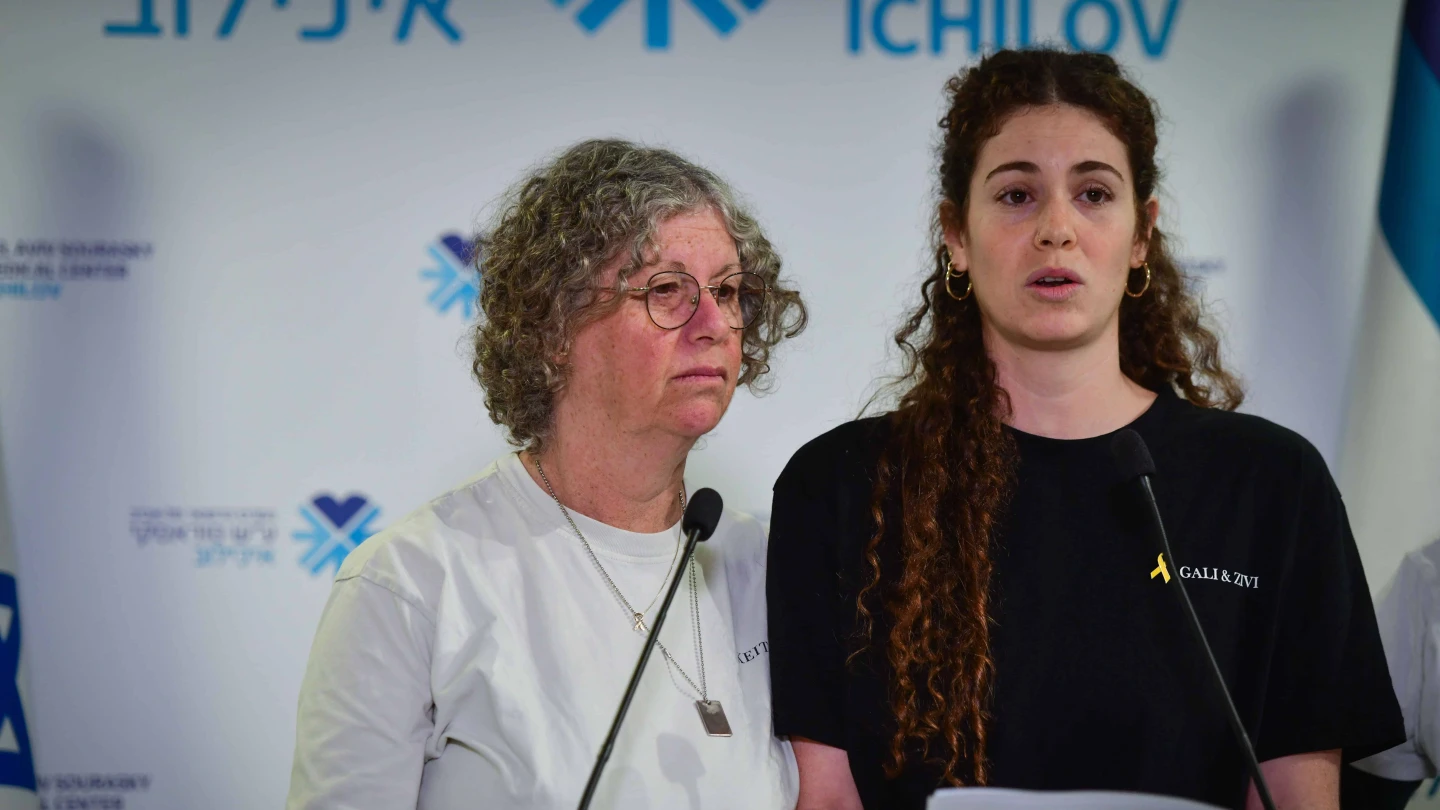

Three years after Oct. 7, Hamas’s massacre of some 1,200 people and kidnapping of 251 hostages remains an open wound for grieving families. New York City Mayor Zohran Mamdani marked the anniversary with a statement that began with those victims and quickly put Israel on trial.
The angry response was swift and intense. But for New Yorkers who remember what Mamdani did during the Sept. 11 commemorations just weeks ago, it wasn’t an isolated controversy.
Mamdani’s Oct. 7 statement starts where it should: He acknowledged that Hamas killed more than 1,200 Israelis and abducted 251 people. He said he grieved with the families. Those words reach anyone with a heart. We picture parents waiting for children who never came home, homes shattered and lives stolen. For a moment, the mayor appears to be speaking to those families.
Then came the pivot: “The suffering did not begin nor end that day.”
From that point, his message was no longer about honoring the people Hamas murdered. It was about demonizing Israel. Mamdani accused Israel of an “ongoing genocide,” invoked “occupation and apartheid” and said American tax dollars fund war crimes. The anniversary of the Hamas attack became the platform for his indictment of Israel.
Look at the construction of Mamdani’s statement: The Israeli dead draw the reader in. The hostages establish the emotional weight. Then the mayor carries that attention into an entirely different political message. The victims become the opening act. Israel becomes the accused. That is not a slip of the tongue. It is pure emotional manipulation.
Mamdani has an entire year to criticize Israeli policy. He can hold a press conference. He can issue a policy statement. He can call for humanitarian aid or a ceasefire. Why use Oct. 7 itself as an anti-Israel platform? Why take a day of mourning and exploit the murdered as the introduction to a political rant?
New Yorkers deserve better than comforting words that are then used to justify terrorism.
Before anyone twists this criticism into a claim that Palestinian suffering does not matter: It does. Innocent civilians in Gaza have suffered terribly. Their lives deserve concern. So do the lives Hamas destroyed. There is no shortage of days to express this. Oct. 7 is the date when Hamas crossed the border and committed the massacre. That fact should not be pushed out of the center of its own anniversary.
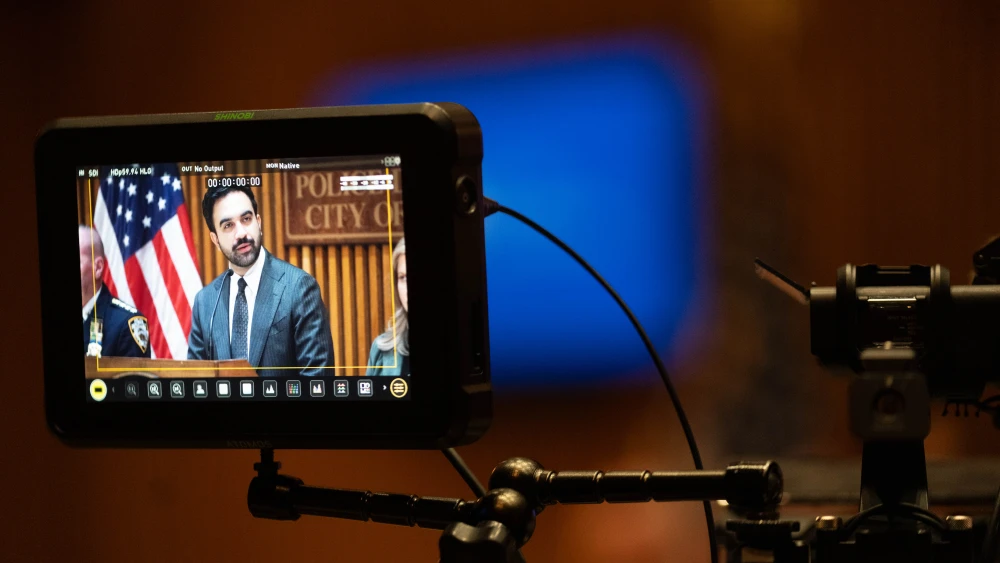
Now look back to Sept. 4. Mamdani signed executive orders ahead of the 25th anniversary of the Sept. 11 attacks, including one establishing a citywide day of remembrance. Then, as the ceremony ended, he asked Police Commissioner Jessica Tisch to pass the ceremonial signing pen to his chief counsel, Ramzi Kassem.
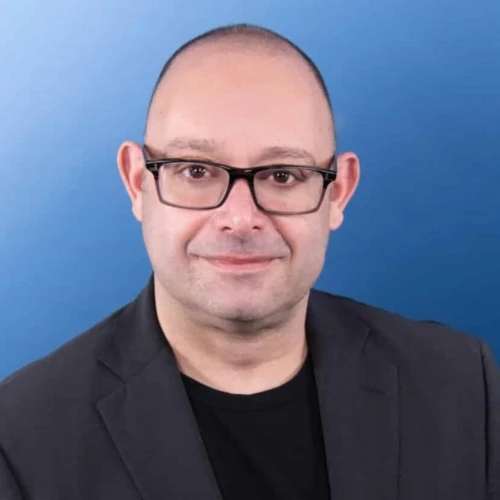
Kassem previously represented Ahmed al-Darbi, an Al-Qaeda operative who pleaded guilty to war crimes charges. Al-Darbi’s brother-in-law was Khalid al-Mihdhar, one of the hijackers aboard the plane that struck the Pentagon on Sept. 11, 2001. This is the history of the man who received a ceremonial pen at the mayor’s remembrance event.
On 9/11, nearly 3,000 people were murdered. New Yorkers mourned the loss of fathers, mothers, children, colleagues, firefighters and police officers. The pen used that day was part of a public ceremony meant to honor those lives, but the mayor made the handoff to an al-Qaeda lawyer the story.
A 9/11 remembrance ceremony that ends with a pen going to a lawyer who represented an al-Qaeda operative. Then an Oct. 7 remembrance statement that begins with Hamas’s victims and pivots to accusations against Israel. The incidents are different, but their common thread is impossible to miss: The people who should be at the heart of the remembrance are displaced.
Imagine the mayor delivering a Sept. 11 statement that begins with the office workers trapped in the towers, the firefighters climbing the stairwells and the families listening to final phone calls. Then imagine most of the statement becoming an attack on America for fighting Al-Qaeda. The 9/11 families would ask a simple question: Was this supposed to be about our loved ones or your politics? Mamdani owes the families of the Oct. 7 victims an answer to this question.
New York is not a distant spectator to terrorism. The city still lives with Sept. 11. It is home to families personally wounded by Oct. 7. A mayor who presides over that city should understand the difference between giving the dead their day and borrowing their grief to make a personal point. This is a dagger in the heart of families who expected remembrance and got a political indictment.
New Yorkers deserve better than comforting words that are then used to justify terrorism. The victims of Sept. 11 and Oct. 7 deserve remembrance, not a mayor who turns their grief into a platform for the very people who caused their suffering.