Archaeology
News and features about archaeological finds linking stories from the Torah and Prophets, or other historical events to the State of Israel

Majority of countries have made no progress on Holocaust art restitution over the last quarter century.

The 3,300-year-old wreck, found a mile deep in the Eastern Mediterranean, contained hundreds of intact amphorae.

The little-known Gallus Revolt in 351-354 C.E. saw Lod, Tzipori and Tiberias destroyed.

Second Temple period phylacteries found near Qumran underwent a battery of scientific tests.

“These walls continue to talk to us and reveal Jerusalem’s history,” said archeologist Amit Re’em.

“The Arab residents of Jaffa viewed the War of Independence and its results as a nakba (‘catastrophe’) for them,” city hall explained.
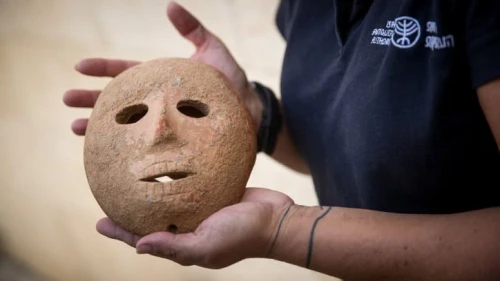
Leading archaeologists theorize the artifact may have represented an ancient deified ancestor figure or primordial supernatural entity that held profound symbolic importance for the prehistoric population.

“History is being revived in the Jewish Quarter” as ancient homes of Temple priests reopen after a major renovation.

Discoveries at the site “are beginning to paint a new picture of the nature and stature of Jerusalem’s inhabitants in the Early Hellenistic Period,” said TAU professor Yuval Gadot.
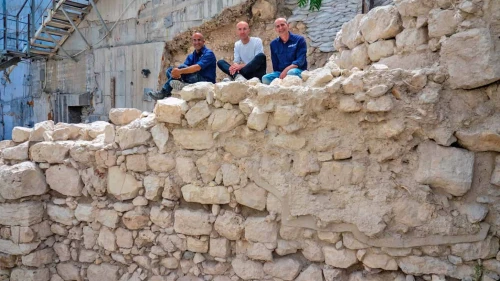
Researchers achieved an unprecedented level of accuracy in dating First Temple period findings in the City of David.

The American film industry “is at its heart an immigrant story,” per the Academy Museum of Motion Pictures.

The rare Chalcolithic-era (4,500–3,500 BCE) vessel attests to the commercial ties between the land of Israel and Egypt 6,000 years ago, says the Israel Antiquities Authority.