Newsletter
Newsletter Support JNS

Josh Hasten is a Middle East correspondent for JNS. He is co-host of the JNS podcast “Jerusalem Minute,” as well as the host of the JNS podcast “Judeacation.” He also hosts the weekly radio program “Israel Uncensored” on “The Land of Israel Radio Network.” An award-winning freelance journalist, he writes regularly for JNS and other publications. He is also a sought-after guest for television and radio interviews on current events in Israel, having appeared on CNN, BBC, Sky News, Fox, APTV, WABC, ILTV, i24News, and many others.
“My time here has been incredible and has given me an even greater appreciation for the history, culture and challenges,” said Indiana Gov. Eric J. Holcomb.
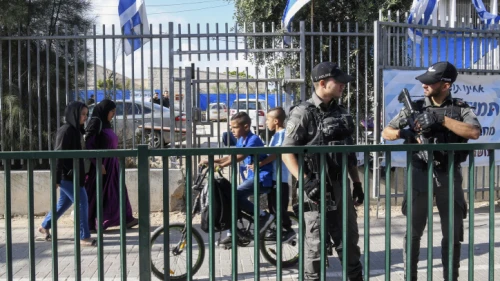
Tensions are still simmering in places like Jerusalem, and in Judea and Samaria, following violent riots that took place at the start of Ramadan in April, which carried over during the Gaza operation, spilling into in mixed Jewish-Arab cities throughout the country.
The move seemed to be a non-controversial way of trying to simmer tensions between Jews and Arabs after violent clashes have raged throughout the country in the past several weeks.
“We’ve had three wars and so many escalations using weapons and bombs, and we aren’t in any place different than we were in 2008. Has anything changed? Maybe it’s time to do something different,” said Adele Raemer, a school teacher and resident of Kibbutz Nirim.
Dan Diker of the Jerusalem Center for Public Affairs says the current riots are a direct result of the Palestinian leadership’s declaration that “the Al-Aqsa is in danger,” which has served as a battle cry against the Jews for the past 100 years.
“There were bodies piled up on top of each other—some of the people were alive, and some of them were already dead. I have never seen anything like this before,” said Itzik Itach, a senior volunteer paramedic and logistics director of the Jerusalem area for Rescuers Without Borders.
A Muslim volunteer with United Hatzalah describes his approach to emergency care, which means treating patients equally and urgently.
A recent study showed that two-thirds of the Israeli public believes that the democratic system in Israel is in grave danger. Ironically, a similar proportion considers Israel a good place to live.