Bangladesh said on Saturday that it has told the United States it wants to join the stabilization force planned for the Gaza Strip, Reuters reported.
The government in Dhaka said National Security Adviser Khalilur Rahman met with U.S. Under Secretary of State for Political Affairs Allison Hooker and Assistant Secretary of State for South and Central Asian Affairs S. Paul Kapur in Washington, and “expressed Bangladesh’s interest in principle to be part of the international stabilization force that would be deployed in Gaza.”
The U.S. State Department had no immediate comment.
Establishing the force is a central element of U.S. President Donald Trump’s 20-point plan to end the Gaza conflict and was incorporated into U.N. Security Council Resolution 2803, approved on Nov. 17.
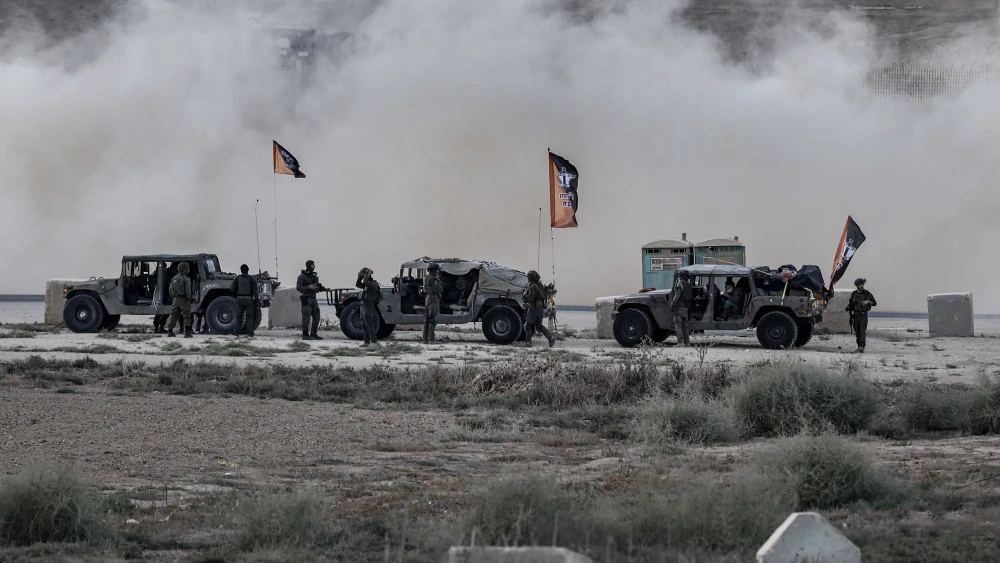
Trump’s plan calls for the International Stabilization Force to deploy in the parts of the Strip currently held by the IDF, east of the areas that Hamas controls. Bloomberg reported last week that Hamas has been reasserting its rule over half the Gaza Strip ever since Phase 1 of the truce with Israel came into effect on Oct. 10, refusing to give up its power and disarm, as the planned Phase 2 of the Trump peace plan stipulates.
Madrid is prepared to send peacekeeping troops to the Gaza Strip “once the opportunity presents itself,” Spanish Prime Minister Pedro Sánchez said on Thursday.
Reuters reported last month that Indonesia has said it is prepared to deploy up to 20,000 troops to carry out health- and construction-related tasks in Gaza, and that more than 25 countries were expected to send representatives to a Dec. 16 summit hosted by U.S. Central Command in Doha with partner Arab and Muslim nations to plan the International Stabilization Force for Gaza.