Newsletter
Newsletter Support JNS

Consumer prices to increase in Israel, but not as much as previously anticipated

In response to a public outcry, the cost of electricity will not be raised by 8 percent, but is estimated to rise instead by 3 percent.

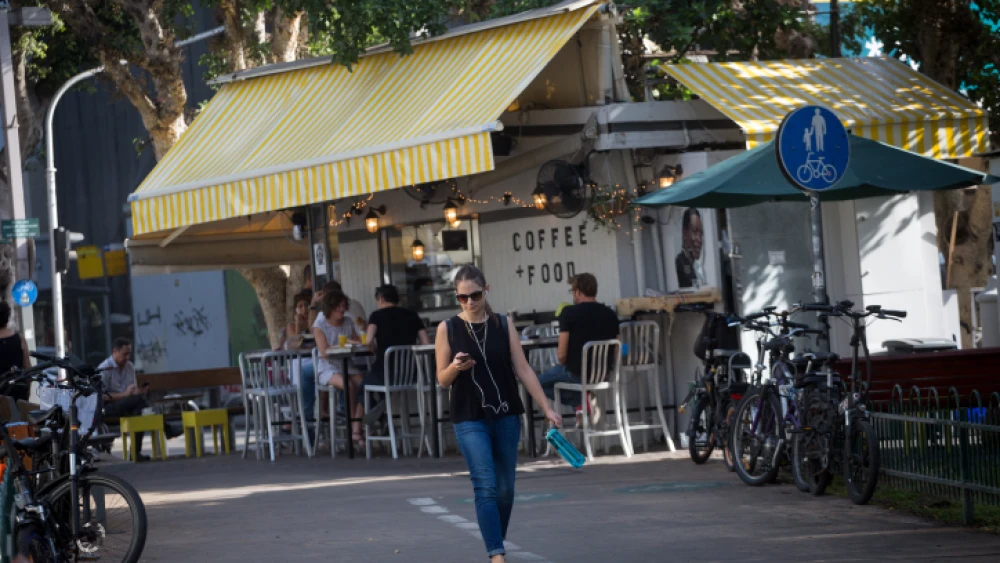
Rothschild Boulevard in Tel Aviv. Photo by Miriam Alster/Flash90.

In response to a public outcry over coordinated price hikes across a series of living costs, Israeli Prime Minister Benjamin Netanyahu said on Wednesday that electricity prices in the new year will be raised less than the 8 percent, which had been previously announced.

“I do not know how much it will rise, but a few percent in the worst case,” said Netanyahu at a business conference.

Also on Wednesday, Israel’s third-largest food producer, Osem, said it will postpone a 4.5 percent price hike in response to public pressure and a request from Finance Minister Moshe Kahlon.

Additional hikes in the consumer price index are expected to be a 4.5 percent increase in water prices, a 3.4 percent rise in the price of dairy products, a 7 percent rise in car insurance, 10 percent higher prices on toilet paper, and a 10 percent to 15 percent hike in phone plan costs.

Hundreds turned out in a public display of Jewish pride during the Cape Town Marathon.
The American leader said it would be an honor to see Iran join the peace treaty as well.
After months of war and uncertainty, a popular spring festival brought Israelis back to the north.
The Lebanese president spoke ahead of another round of U.S.-brokered talks between Beirut and Jerusalem
The move is part of a broader push to isolate Israelis and Jews, according to Christians for Israel, the largest importer of Judea and Samaria products.
The U.S. diplomat marks Memorial Day for the “brave Americans” who gave their lives to defend “our natural rights.”