Israeli President Isaac Herzog spoke over the past few days with a series of regional leaders to convey the Jewish state’s well-wishes for the upcoming month of Ramadan.
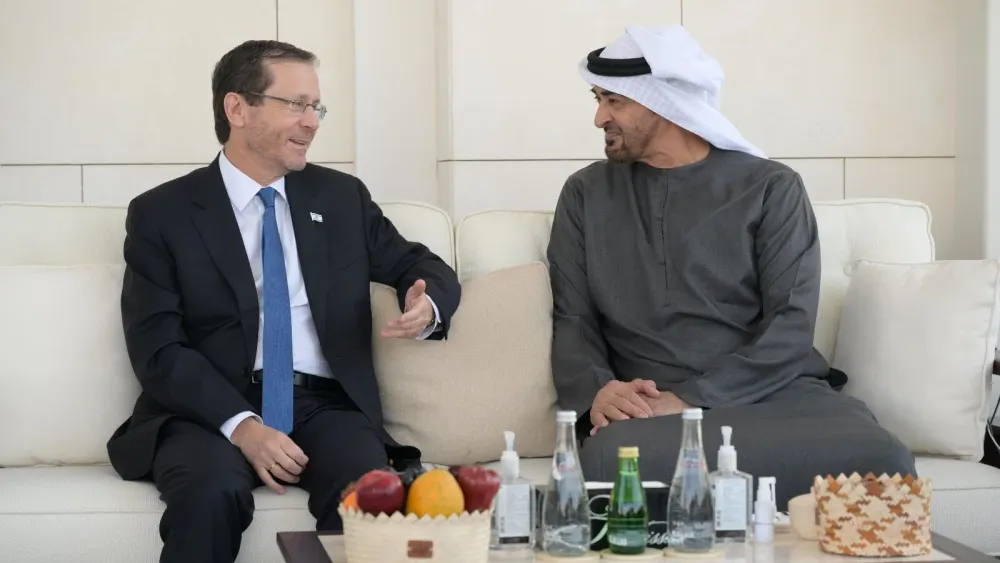
Herzog spoke with King Hamad bin Isa Al Khalifa of Bahrain; King Abdullah II of Jordan; United Arab Emirates President Sheikh Mohammed bin Zayed; Turkish President Recep Tayyip Erdoğan; and Palestinian Authority chief Mahmoud Abbas.
During the calls, Herzog expressed his “hopes for peace and stability in the region and wished them and their peoples a Ramadan that will bring them peace, happiness, and health,” according to a statement from the president’s office.
Herzog also spoke with the presidents of Kazakhstan, Azerbaijan, Albania, Senegal and Kosovo.
The Israeli leader sent letters to other heads of state, including the king of Morocco and the president of Egypt.
“The blessed month of Ramadan celebrates values that are very close to my heart. These values—of love for one’s neighbor, charity and support for the weak, and tolerant discourse—are core values that I promote all year round,” wrote Herzog.
“As you embark upon this month, I pray that we can take shared steps down the path of peace together in the coming year too,” he added.
Saudi Arabia announced on Tuesday that Ramadan would begin this year on the evening of March 22.